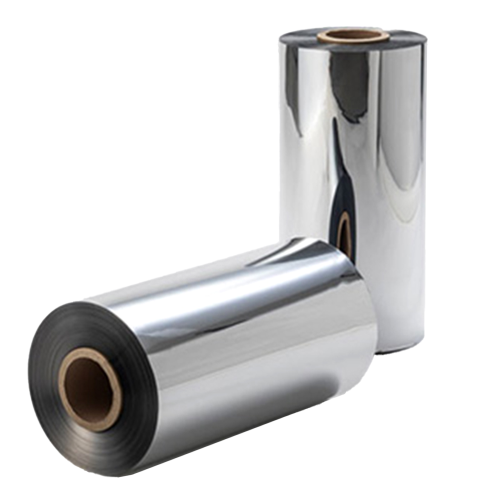
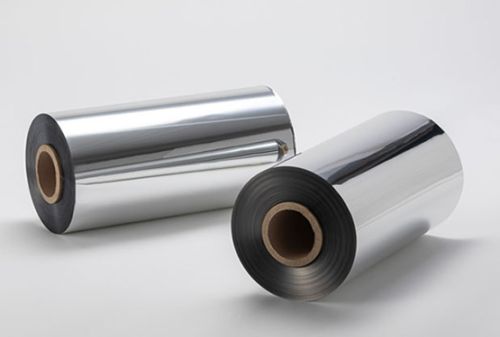
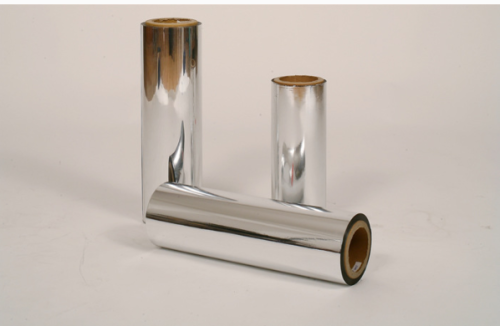
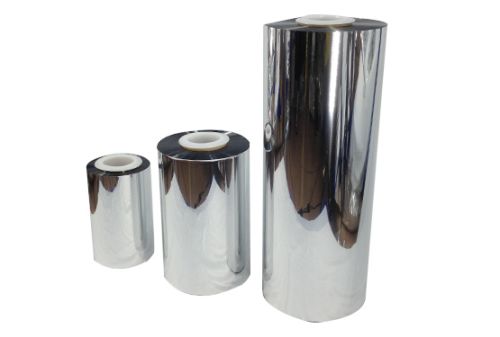
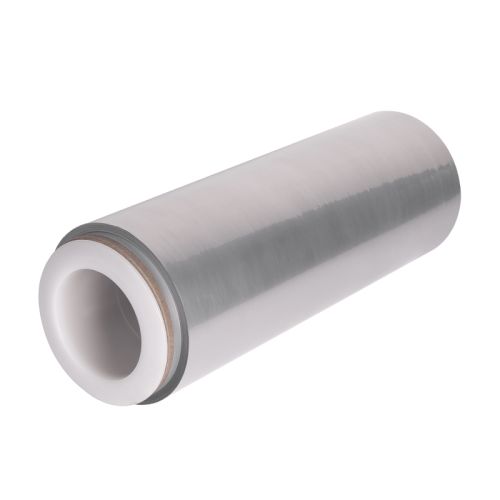
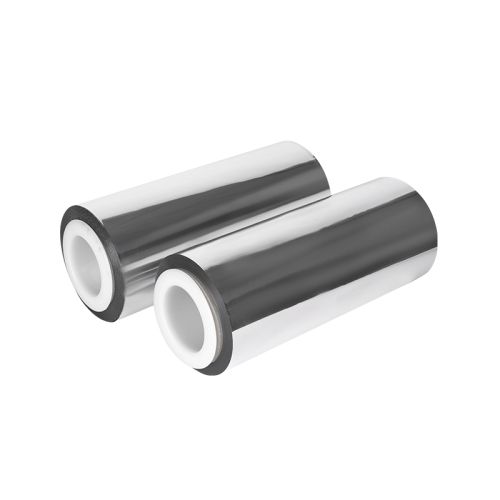
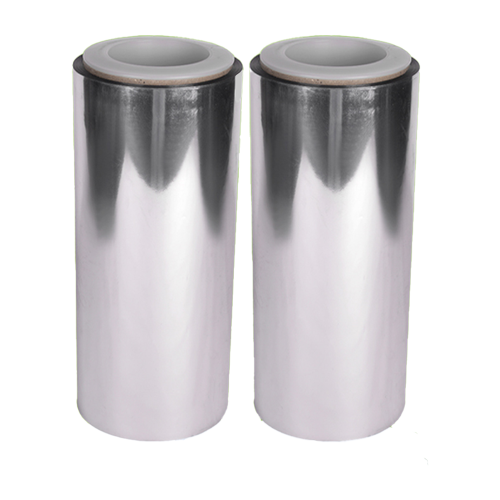
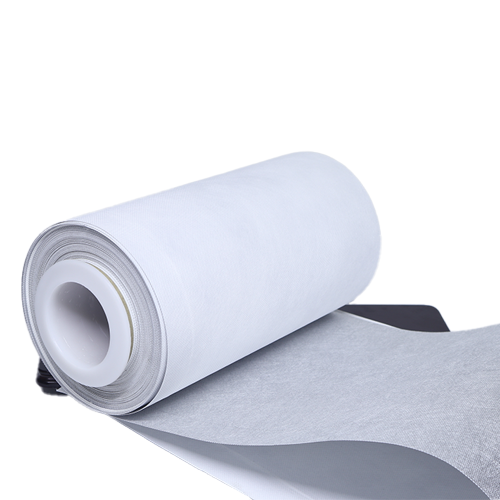
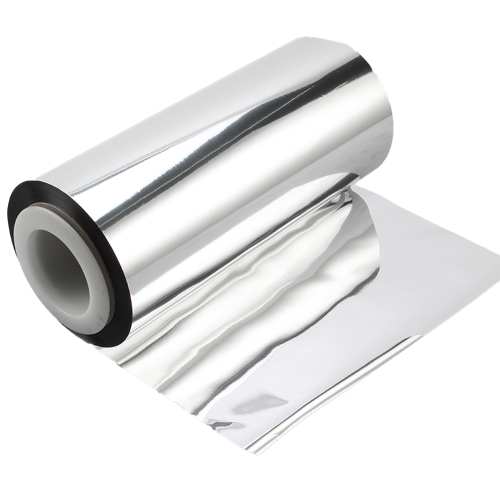
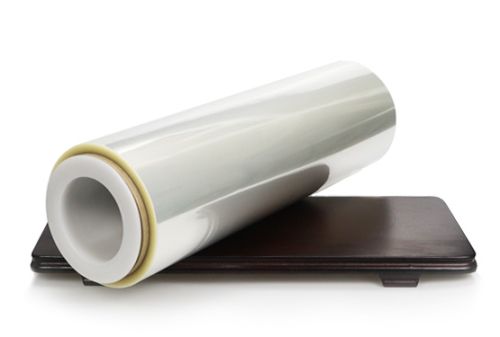
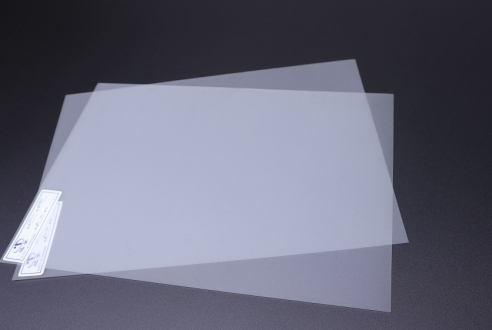
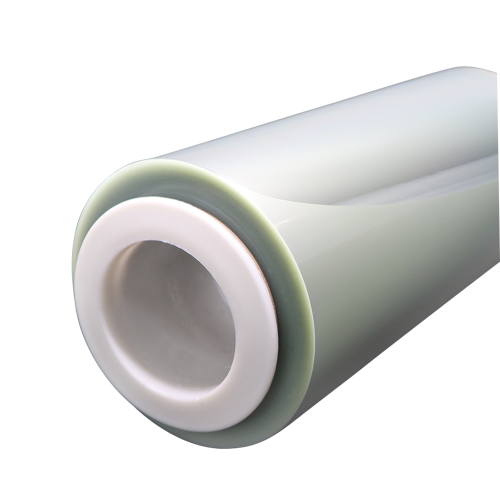
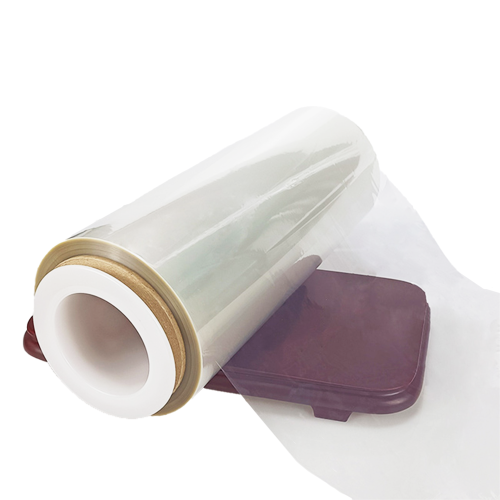
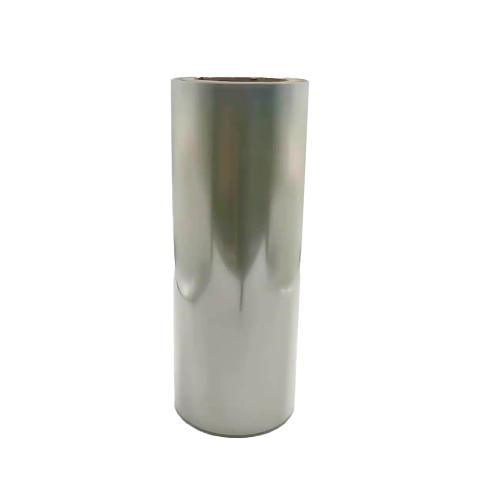
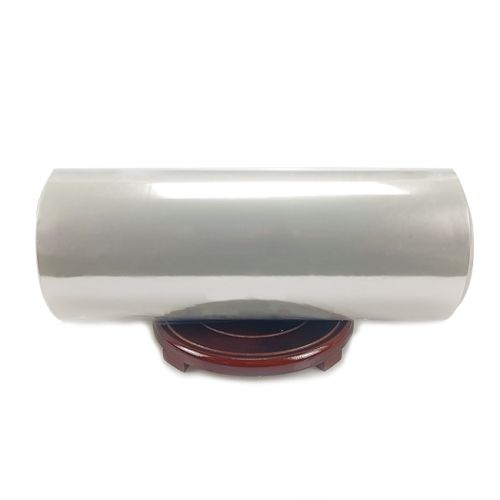
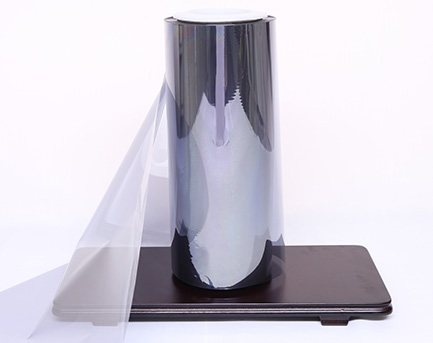
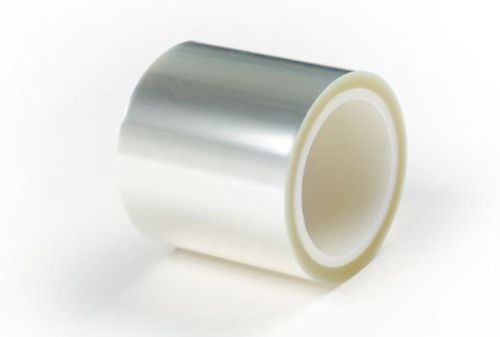
Wet pet food portions can contain meat, gravy, fat and minerals that create a demanding combination of odor, oxidation and sealing risks. Transparent packaging can support product inspection and shelf presentation, but visibility is useful only when the laminate protects the food throughout processing and distribution. BOPP SiOx offers a route to combine a clear barrier layer with a PP-oriented packaging concept.
Review the BOPP-SiOx-TZ Film page first, then compare the wider related film portfolio and the manufacturer website. These links help purchasing and engineering teams confirm the material family early, before they spend time on a structure that does not match the project.
The package or component problem
The barrier coating is only one part of the package. Pouch corners, repeated flexing, sharp product pieces, filling residues and thermal stress can create local weak points. A converter therefore needs to evaluate how the coated web behaves through printing, adhesive application, nip pressure, curing, slitting and bag making, not simply compare headline barrier descriptions.
Wet pet food needs thermal processing, strong odor containment and protection against oxygen while the pouch also resists handling, folds and seal contamination. That is why the specification should describe the real failure risk, the existing construction and the required validation method. A broad request for “high performance film” does not give a supplier enough information to select or reproduce the right grade.
How the film fits the construction
For a PP-focused retort development, position BOPP SiOx as the barrier web and pair it with printing and sealing layers selected for the customer’s process. The final laminate may require additional mechanical support depending on pouch size and drop requirements. Material compatibility does not automatically prove recyclability; the complete structure and the applicable collection stream must be assessed in the target market.
Keep the bill of materials controlled during trials. Record film grade, thickness, treatment or coating side, adhesive or ink batch, process settings and conditioning time. If several variables change together, an apparently successful sample gives little guidance for production troubleshooting.
Conversion risks to address early
Incoming-film inspection should cover roll identification, width, winding condition and visible surface defects. During conversion, watch tension, heat exposure, contact pressure, contamination and edge damage. These basic controls often determine whether laboratory properties are retained in the finished part.
Operators should label samples by process stage and location across the web. Retain flat film, converted laminate or printed sheet, and finished-package or assembled-part samples. This makes it easier to determine whether a problem started in the material, conversion process or final use.
Qualification plan
Run barrier tests on flat laminate and representative formed pouches before and after the specified thermal cycle. Add seal-strength checks, burst or compression work, flex conditioning, drop testing where relevant, and visual inspection of the transparent area. Use the actual wet formulation in filling trials because fat and gravy at the seal can produce failures that clean laboratory seals do not reveal.
Agree on acceptance criteria before the run. Test enough samples from different roll positions and production times to understand variation. A single attractive prototype is useful for learning, but it is not evidence of a stable manufacturing window.
Questions for the film supplier
- Which exact grade and thickness are recommended for this construction?
- Which surface faces printing, adhesive, sealing or the exposed environment?
- What storage, handling and pretreatment conditions should the converter follow?
- Which properties are measured on base film, and which require customer testing after conversion?
- How are production lots identified and supported during scale-up?
What buyers should send with an inquiry
Pet-food brands and pouch converters should define fill weight, retort conditions, desired transparency, target shelf life, sealant choice and package format before requesting a production trial. A useful sample program compares one controlled structure change at a time and records coating orientation, adhesive coat weight, cure conditions and pouch location for every test result.
Include the current failure mode and the decision date. Photos, drawings and test reports are more useful when their conditions are stated clearly. The supplier can then respond with a focused sample recommendation instead of a generic brochure.
From sample to production
Begin with a laboratory or pilot comparison, then move to a controlled machine trial and finally to the owner’s complete qualification. Preserve approved settings and reference samples. When production starts, incoming checks should confirm identity and obvious roll condition without pretending to replace process and end-use testing.
Commercial evaluation should also include usable width, minimum order, lead time, packaging, transport protection and technical response. A lower unit price may not reduce total cost if the grade creates unstable conversion, repeated trials or excessive waste.
Frequently asked questions
Can the film be approved from a datasheet alone?
No. Datasheets support material selection, but the converted structure and finished product must be tested under the intended process and use conditions.
Should buyers request the highest available performance?
Not automatically. Define the needed function and processing window first. Excess specification can add cost without resolving the actual failure mechanism.
What is the best way to compare two trial rolls?
Keep the construction and machine settings controlled, record roll and sample locations, and compare results using the same conditioning and test method.
What information speeds up a quotation?
Provide application, structure or drawing, thickness, width, volume, destination, validation conditions and any current problem. This reduces back-and-forth and makes the quotation technically relevant.
Request a project-specific sample
Send your application details and current construction to the sales team. Ask for a sample and technical discussion based on the intended process, qualification plan and purchasing volume.