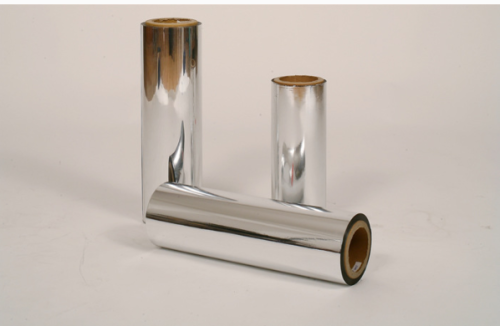
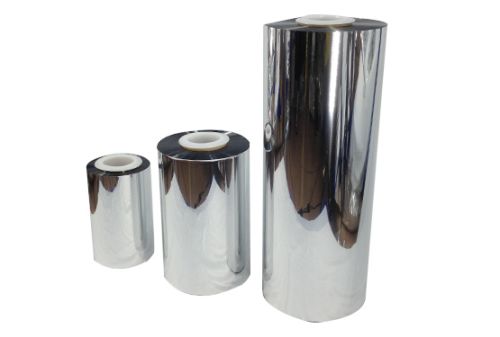
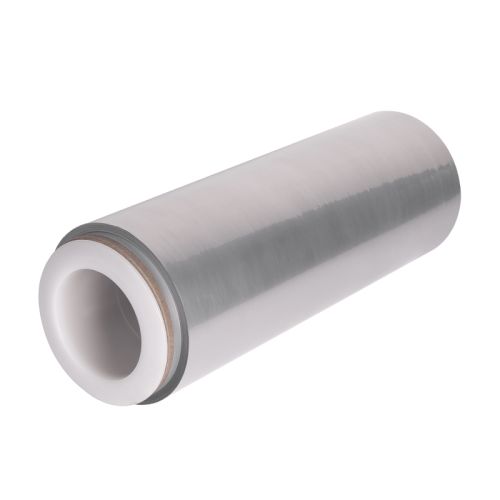
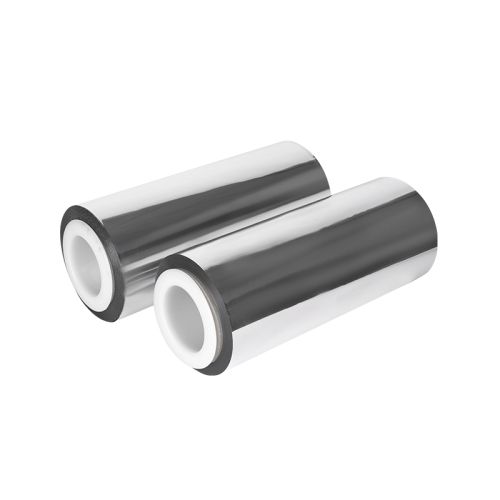
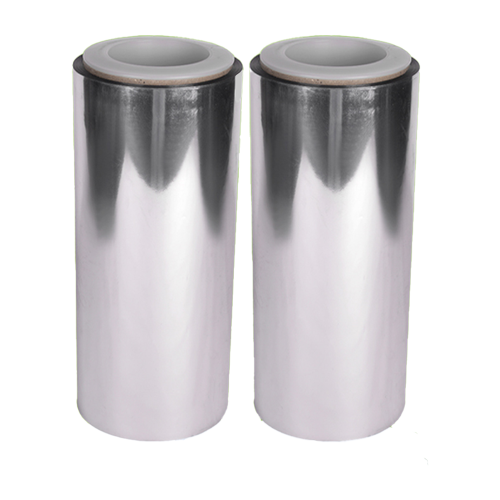
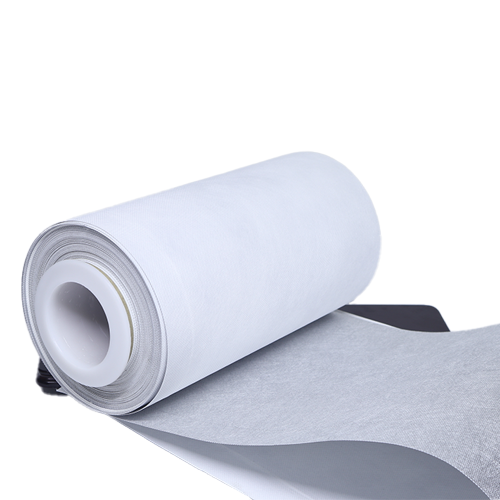
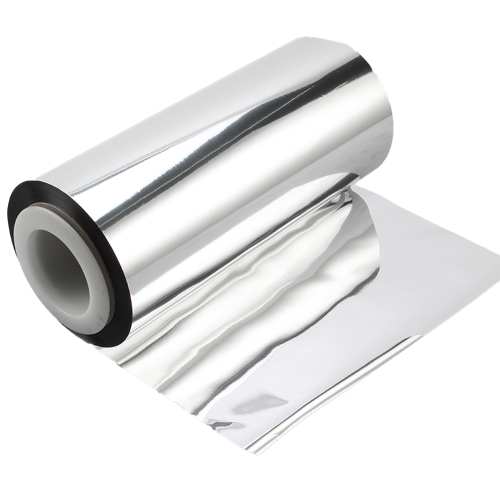
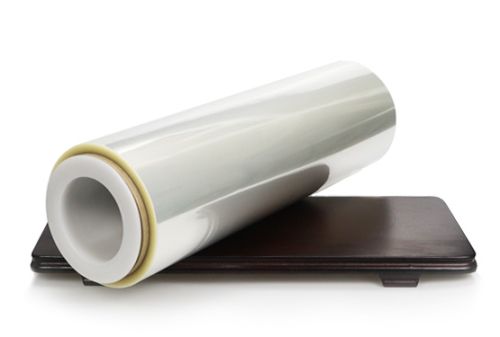
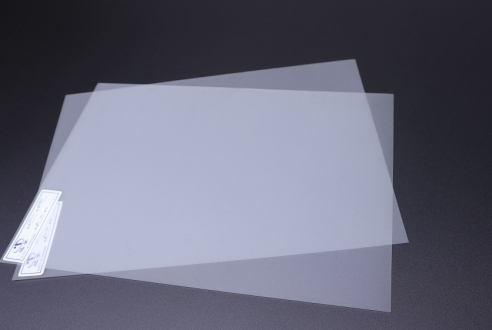
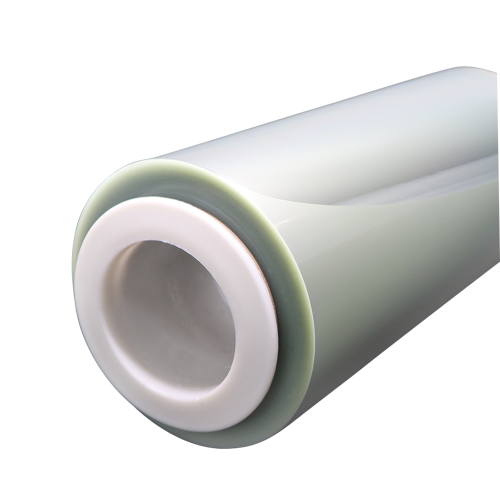
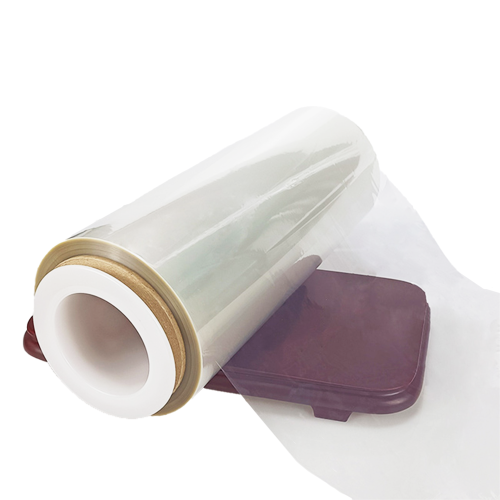
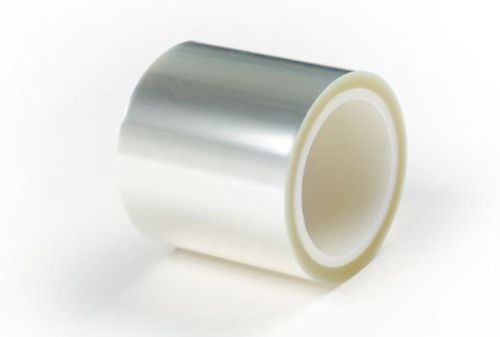
Transparent retort packaging forces converters to balance product visibility, oxygen and moisture protection, dimensional control, sealing, and survival through heat and pressure. Aluminum foil and metallized films provide familiar barrier options but remove the clear window. Two transparent coated choices are BOPP SiOx Film and PET AlOx Film. The correct choice depends on the laminate family and the full retort test, not on coating name alone.
BOPP SiOx vs PET AlOx: Start With the Structure
BOPP SiOx keeps the barrier layer on a polypropylene substrate. That can be useful when the converter is developing a PP-oriented construction and wants to reduce incompatible polymer combinations. PET AlOx places a transparent oxide barrier on polyester and may be preferred where PET-based stiffness, printing, or dimensional behavior fits an established structure. A coated film does not by itself make a package mono-material or recyclable; the other webs, inks, adhesives, closures, local collection, and recycling stream still matter.
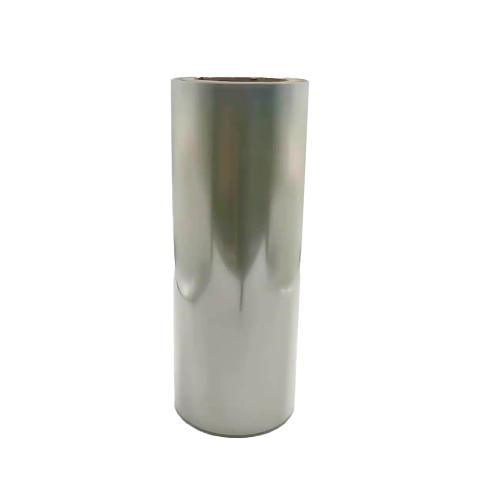
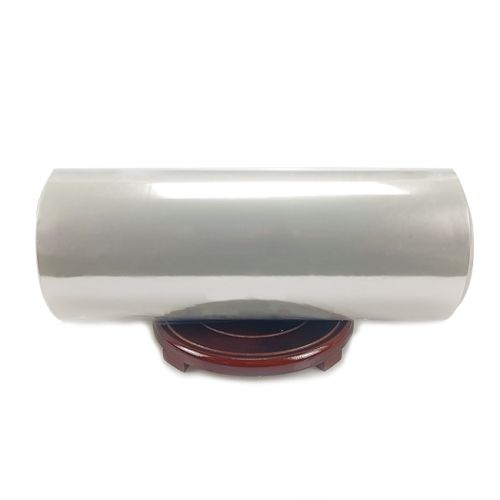
Cailong’s confirmed BOPP-SiOx-TZ page identifies an 18 µm SiOx-coated BOPP grade engineered for retort exposure at 121°C for 30 minutes. The page recommends BOPP // BOPP-SiOx-TZ // RCPP as a reference laminate and lists pet food, sauces, meat products, snacks, stand-up pouches, and retort pouches among potential applications. These are grade-specific references, not universal values for every BOPP-SiOx film.
Why Transparent Barrier Can Be Lost
Oxide coatings are very thin. Creasing, aggressive tension, rough rollers, particles, poor winding, excessive adhesive stress, and pouch flexing can create defects that are not visible to the eye. Retort adds heat, moisture, pressure, seal stress, and rapid cooling. A film may have strong incoming barrier yet lose performance after printing, lamination, pouch making, or thermal processing.
- Measure incoming film and laminate barrier under agreed conditions.
- Track web tension, roller condition, nip pressure, adhesive coat weight, drying, and cure.
- Avoid sharp folds and uncontrolled wrinkles at unwind, inspection, and pouch making.
- Test barrier after lamination, pouch conversion, retort, and representative distribution.
- Inspect seals, corners, gussets, and flexed zones rather than testing only flat central film.
Printing and Lamination Considerations
The published BOPP-SiOx-TZ information states double-sided corona treatment and printability. Confirm the actual treated side, dyne level, treatment age, ink system, adhesive, and surface orientation before production. A converter should not assume that settings developed for plain BOPP, PET AlOx, or metallized PET will transfer unchanged.
Adhesive selection and curing must match the retort process and food system. Check laminate peel before and after retort, observe whitening or bubbles, and determine the failure interface. A sound oxide-to-substrate bond cannot compensate for an incompatible adhesive or under-cured laminate.
Material Selection Logic
Choose BOPP SiOx when the PP substrate supports the target structure and the selected grade passes barrier, conversion, and retort validation. Choose PET AlOx when polyester-based mechanical and converting behavior better matches the design and the grade is confirmed for the thermal process. Compare both against the current commercial laminate using the same product, pouch geometry, filling conditions, retort cycle, cooling, and distribution sequence.
Do not compare only incoming OTR or WVTR. Include transparency, haze, print registration, laminate bond, seal window, puncture, flex resistance, retort appearance, finished-pouch barrier, shelf life, supply consistency, and total converted cost.
A Practical Qualification Plan
- Define product chemistry, fill weight, pouch size, headspace, target shelf life, and storage climate.
- Confirm grade, thickness, width, treatment, coating side, and recommended adhesive system.
- Produce trial laminates across realistic tension, coating, drying, and cure windows.
- Run the specified retort cycle, including heating, hold, pressure control, and cooling.
- Test seal integrity, peel, visual clarity, barrier retention, flex, drop or transport performance, and shelf life.
- Repeat with more than one production lot before changing the commercial structure.
FAQ
Is BOPP SiOx automatically better for recycling?
No. It may support a PP-oriented design, but recyclability depends on the complete package and the relevant collection and recycling system.
Can the 121°C for 30 minutes statement apply to every SiOx film?
No. It is the published condition for the identified BOPP-SiOx-TZ grade. Confirm the exact grade and complete pouch process.
Should OTR and WVTR be checked after retort?
Yes when shelf life depends on barrier retention. Incoming flat-film data alone cannot represent the converted, thermally processed pouch.
For broader transparent high-barrier options, use the confirmed Cailong barrier film portfolio to compare substrate families.
Conclusion
BOPP SiOx vs PET AlOx should be decided through structure compatibility and finished-pouch evidence. For PP-oriented transparent retort development, review the confirmed BOPP-SiOx-TZ Film specifications and validate printing, lamination, barrier retention, seals, and retort performance under the actual process.