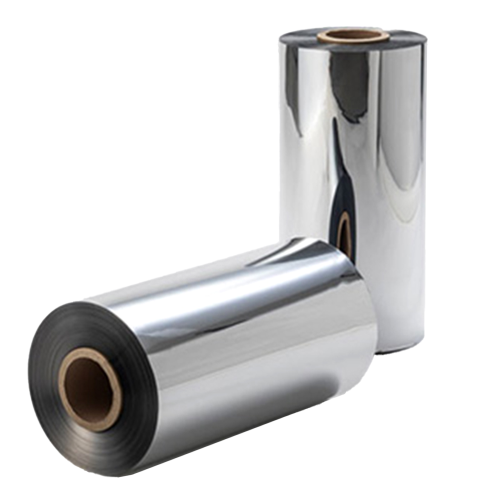
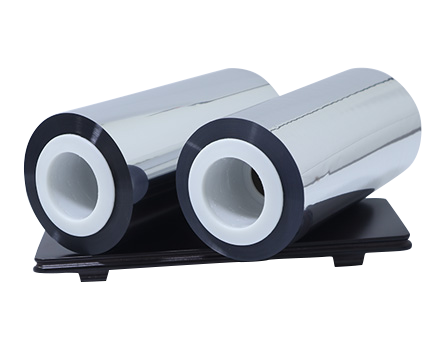
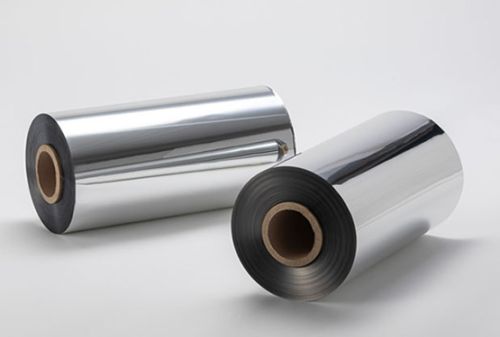
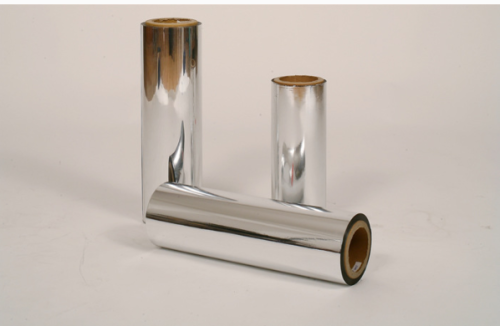
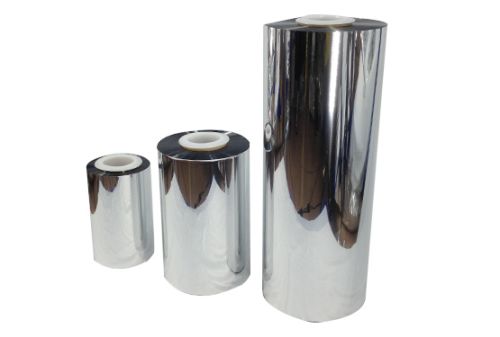
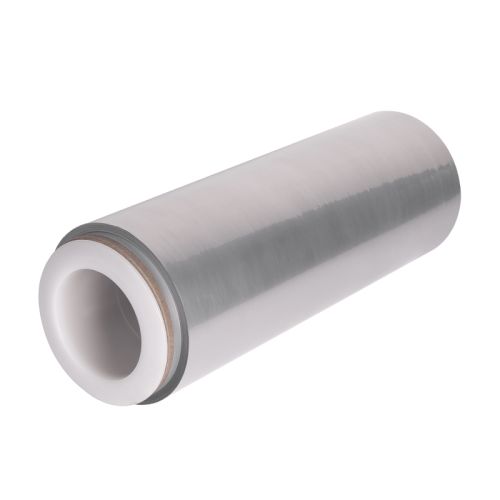
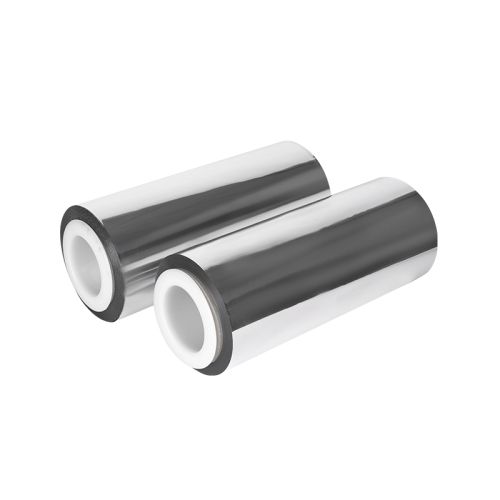
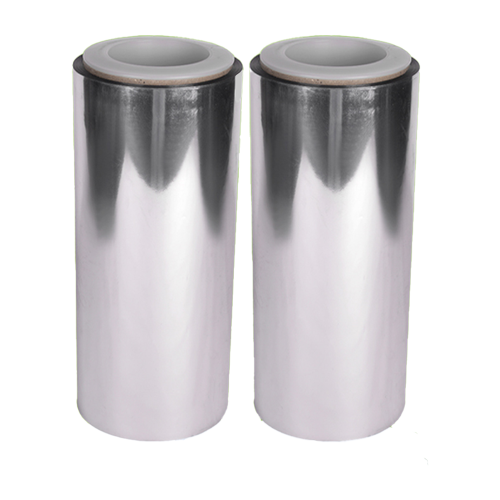
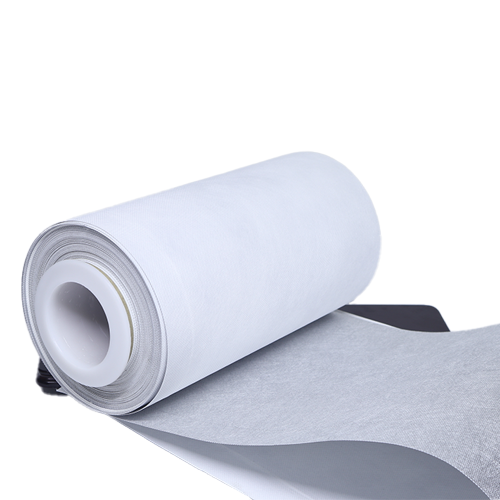
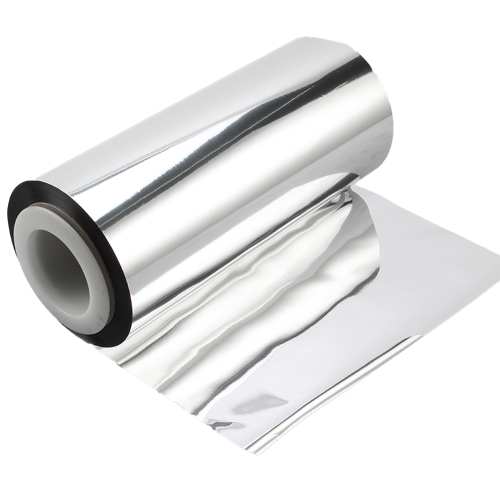
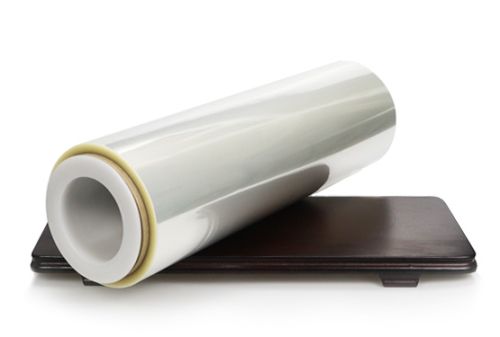
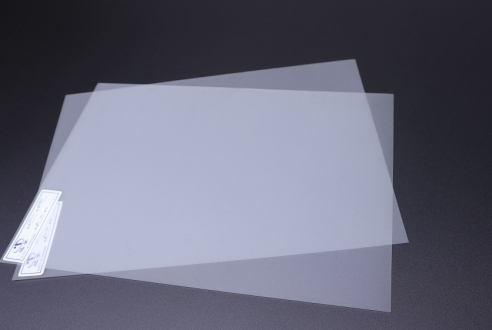
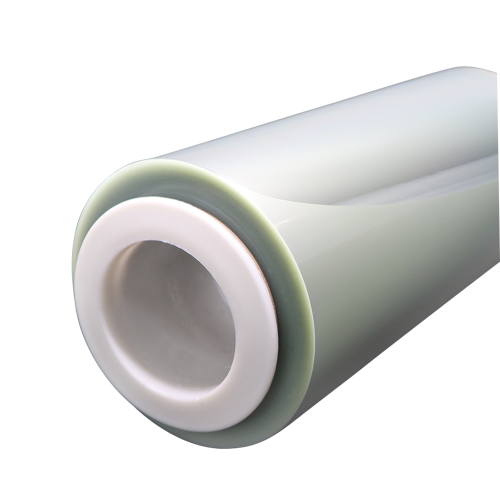
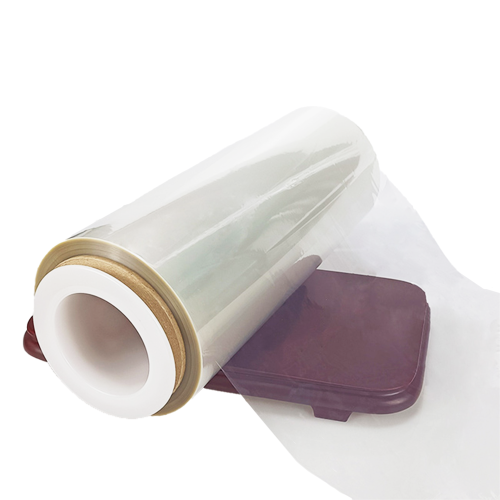
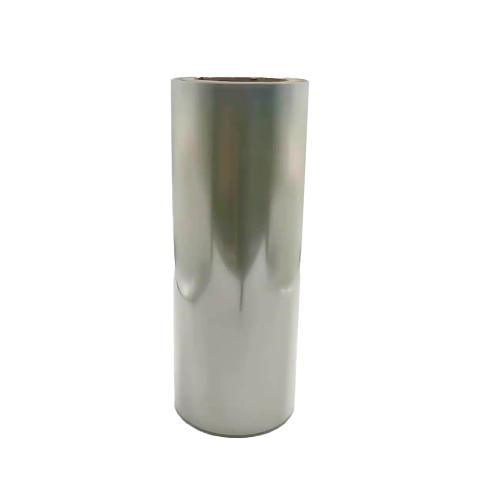
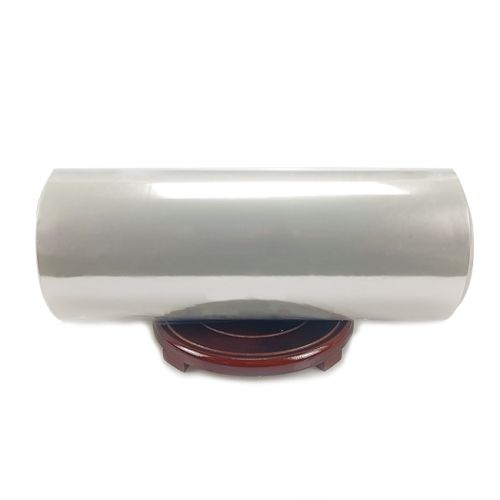
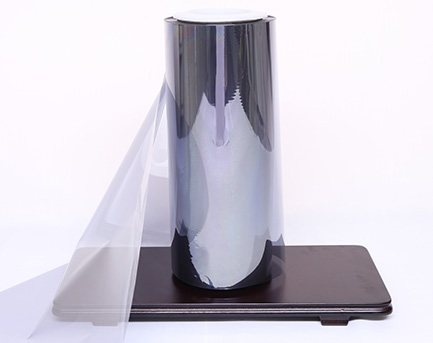
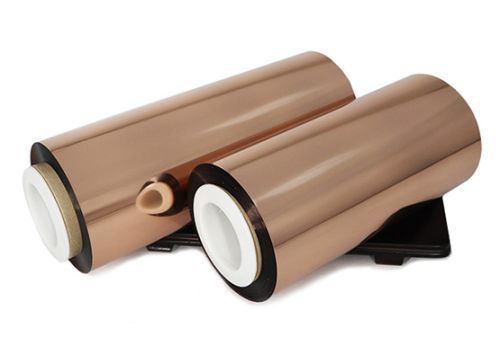
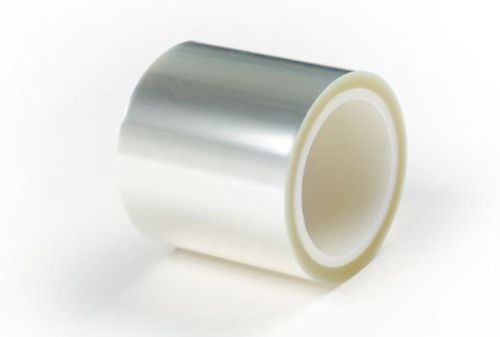
Metallic labels can pass an initial visual check and still fail after die cutting, lamination, embossing, storage, or application to a container. When ink lifts, the aluminum surface transfers, or the finished label wrinkles, the problem is rarely solved by increasing ink strength alone. PVC Metallized Film must be evaluated as a layered construction: PVC substrate, vacuum-deposited aluminum, optional treatment or coating, ink, overprint varnish, adhesive, and the final converting process.
Why PVC Metallized Film Printing Adhesion Fails
Adhesion can fall when the metallized surface is contaminated, the wrong side is printed, surface energy has decayed, the ink system is incompatible, or curing is incomplete. Excessive heat and tension can also distort PVC, changing registration and placing stress on the printed layer. A failure that appears to be “poor ink” may actually begin at the aluminum-to-PVC interface or at a laminate adhesive boundary.
The supplier describes the material as aluminum deposited onto PVC film for labels, self-adhesive materials, decorative products, cigarette and toothpaste cartons, wine, tea and medicine boxes, gift wrap, and related uses. Published information also identifies metallic luster, coating uniformity, printability, UV processing, coating, and foil stamping as relevant capabilities. These statements are starting points; the complete decorated structure must be tested.
Identify the Failure Interface First
- Use tape and cross-cut tests appropriate to the ink and finished structure.
- Inspect both sides of a peeled sample to see whether ink, aluminum, coating, or adhesive transferred.
- Compare unprinted, printed, varnished, laminated, embossed, and aged specimens.
- Record dyne level, surface orientation, cleaning method, ink batch, cure energy, line speed, tension, and web temperature.
- Check whether failure is local, cross-web, roll-length related, or linked to heavy ink coverage.
Do not diagnose by appearance alone. If the silver surface stays with the ink, the weak interface may be below the aluminum. If the metal remains on the PVC but the ink releases cleanly, ink wetting or curing is more likely. Microscopy and controlled peel comparisons can prevent unnecessary changes to film, ink, and adhesive at the same time.
Published Data Relevant to Converting
The official product page lists a typical thickness range of 30–250 µm and a typical non-aluminum-side surface tension of 38 mN/m, with an indicated standard of at least 36 mN/m. It also lists typical aluminum uniformity of 5% and aluminum adhesion of 1% under the cited supplier methods. These are reference values from internal testing, not guarantees for every grade or converted label.
The page also reports typical tensile values of 52 MPa MD and 50 MPa TD and a typical non-aluminum-side coefficient of friction of 0.62. Buyers should request the current grade-specific data sheet and confirm which surface will receive printing, coating, lamination, or pressure-sensitive adhesive.
Ink and Process Selection
Select inks and primers for the actual metallized surface and end use. Use the supplier’s recommended surface orientation, then run a matrix covering ink chemistry, primer, deposit, cure energy, and line speed. If UV ink is used, verify cure through dense metallic backgrounds and heavy coverage. Solvent retention, excessive lamp heat, or under-cure can all reduce bond and increase odor or blocking.
Control web temperature and tension because PVC can respond differently from PET or BOPP. Allow the printed web to condition before judging final adhesion. Repeat tests after varnishing, foil stamping, embossing, die cutting, label application, humidity exposure, and the expected storage period.
PVC Metallized Film vs Metallized PET
Metallized PET generally offers a different stiffness and thermal-dimensional profile, while metallized PVC can be selected for specific label and decorative converting behavior. Neither substrate is automatically superior. Compare conformability, shrinkage, heat exposure, print system, adhesive compatibility, recycling requirements, appearance, and total converted yield.
FAQ
Can corona treatment solve every adhesion problem?
No. Treatment may improve wetting, but it cannot correct incompatible ink, contamination, under-cure, weak aluminum bonding, or excessive process stress.
Should testing occur before or after finishing?
Both. Initial ink adhesion is useful, but the commercial decision should be based on the fully finished and aged construction.
Is the published surface tension measured on the metallized side?
The page identifies the non-aluminum side. Buyers should request the relevant value and treatment status for the surface they intend to print.
For adjacent decorative and specialty materials, review the confirmed Cailong functional film portfolio before fixing the trial structure.
Conclusion
PVC metallized film printing adhesion should be controlled by identifying the failing interface, matching ink and surface, controlling heat and tension, and retesting after every finishing step. Review the confirmed PVC Metallized Film page and qualify the exact grade on the commercial printing and label process.