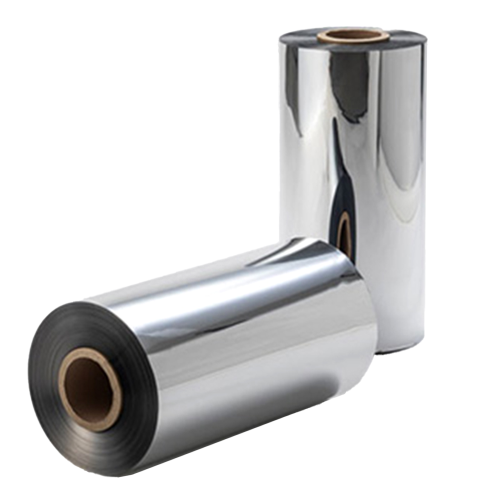
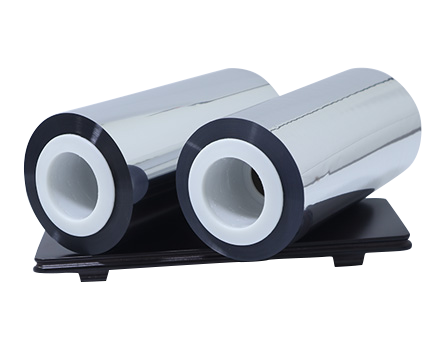
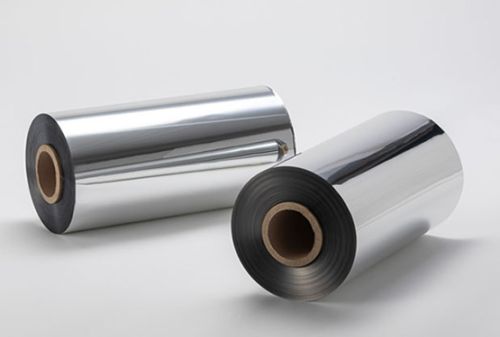
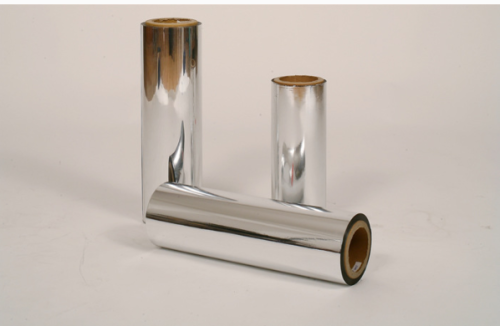
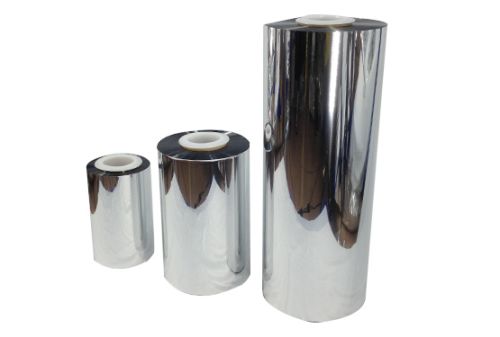
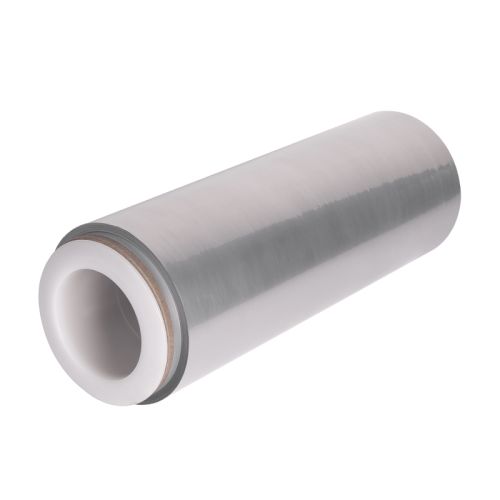
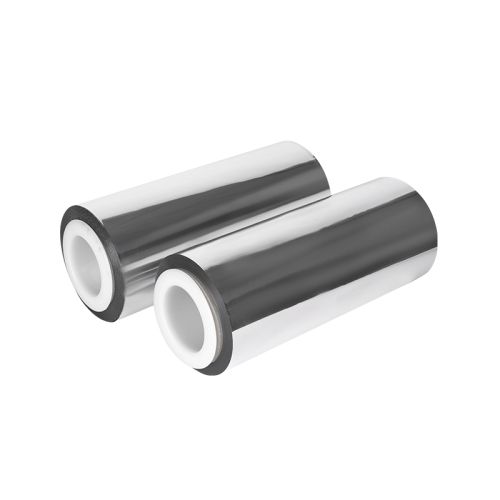
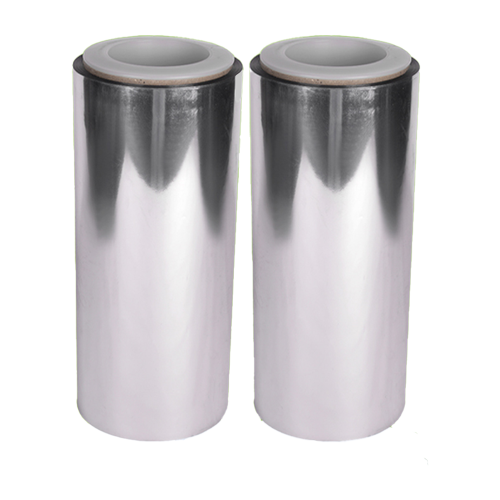
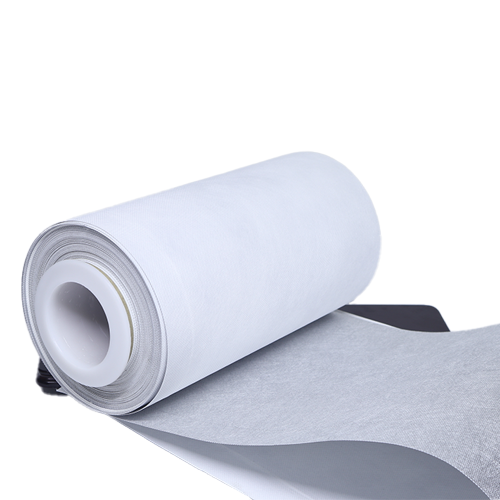
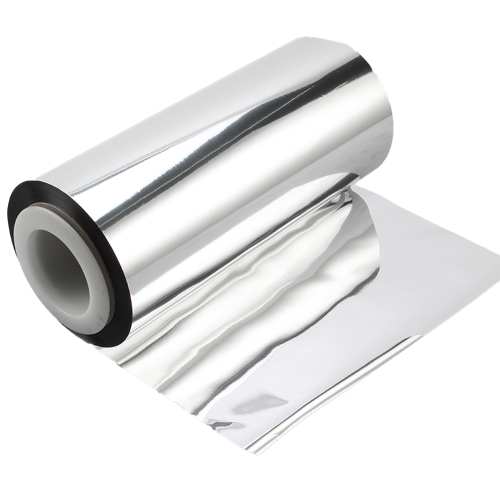
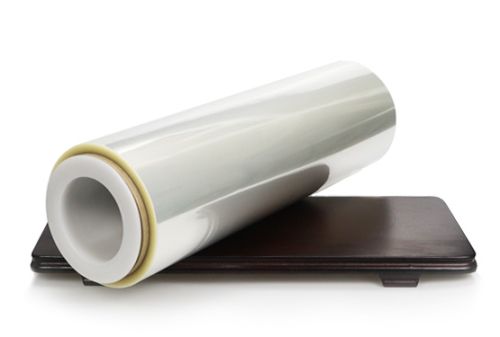
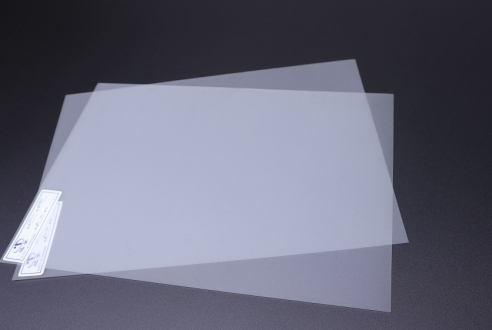
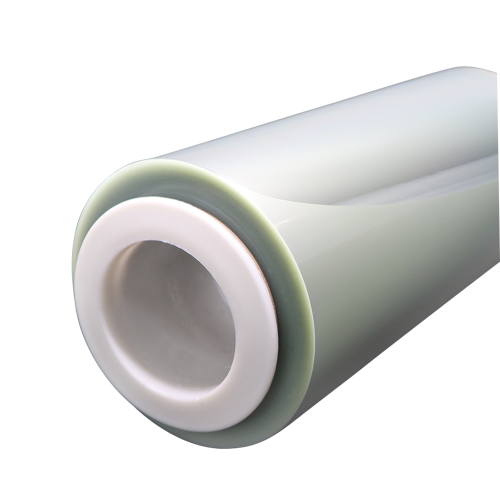
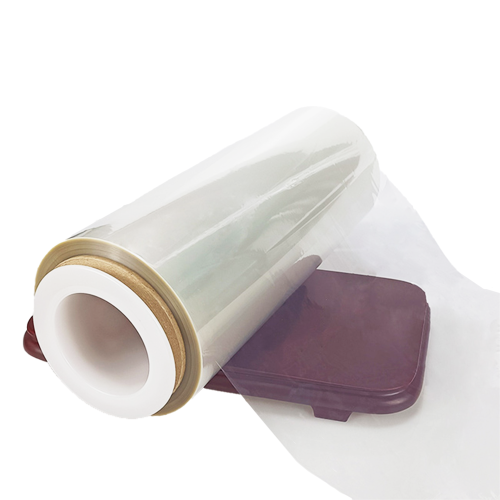
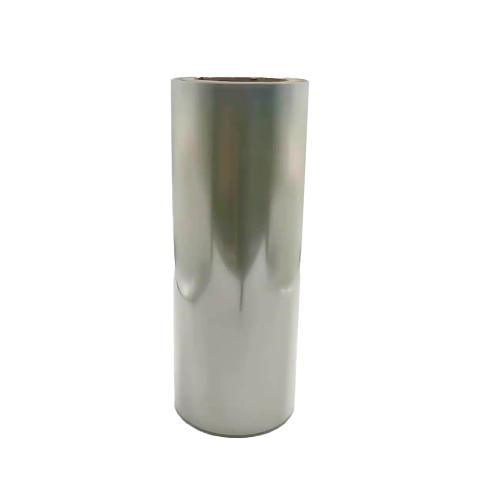
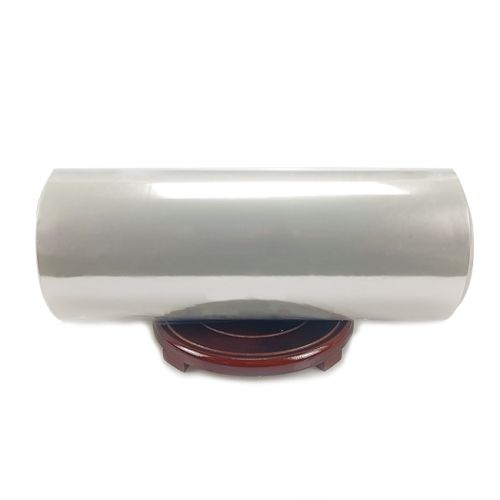
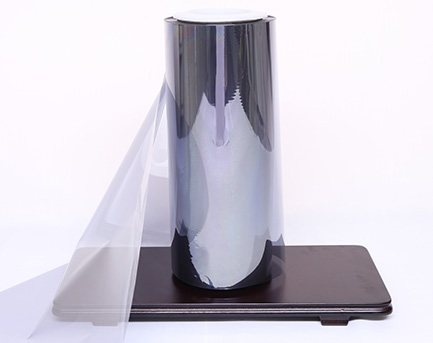
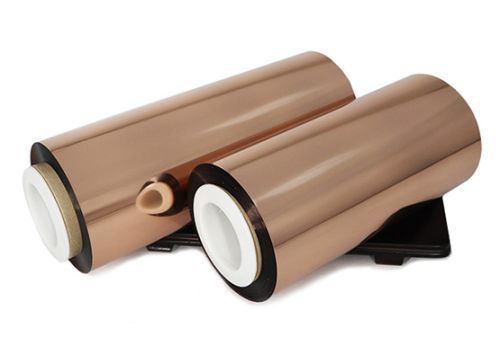
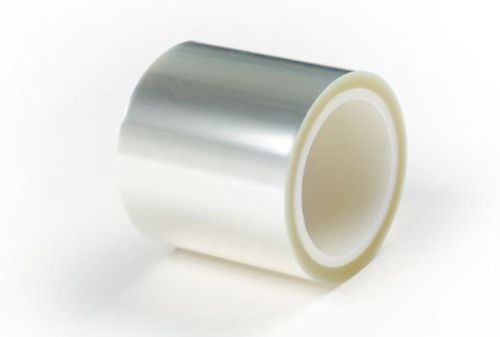
Ultra-High Barrier Metallized PET Film is selected when a package must protect sensitive contents from moisture, oxygen, light, and ultraviolet exposure without automatically using aluminum foil. Cailong Ultra-High Barrier Metallized PET Film uses a PET substrate and a very thin aluminum layer to create a lightweight barrier and decorative material for flexible packaging.
The commercial question is not whether MetPET is generally cheaper or easier to process than foil. The correct question is whether a proposed metallized PET laminate can perform every job required by the product, filling line, distribution route, and destination market.
For food, pharmaceutical, and electronic-component packaging, a barrier failure can shorten shelf life, change product quality, or create expensive rejection. Buyers should therefore treat foil replacement as an engineering project. The incoming film, adhesive, print system, sealant, pouch geometry, storage climate, and handling conditions all influence the final result.
Why Buyers Consider Metallized PET Film Instead of Aluminum Foil
Lower Weight and Flexible Converting
Aluminum foil provides strong protection when it remains undamaged, but it can add weight and may be sensitive to creasing or pinholing in demanding flexible formats. Metallized PET applies only a thin aluminum layer to a polymer substrate. This can support lighter, more flexible packaging and efficient printing, lamination, slitting, and pouch making.
Potential benefits include lower material use, smoother handling on high-speed equipment, attractive metallic appearance, and reduced total package cost. These benefits are application dependent. A film that is inexpensive per kilogram may still be costly if it creates more scrap, slower production, or shorter shelf life.
A Balanced Barrier Rather Than an Absolute Substitute
Ultra-High Barrier Metallized PET Film protects against moisture, oxygen, light, and ultraviolet exposure. These functions are valuable for coffee, tea, snacks, dried foods, powders, pharmaceutical products, and precision electronic components.
Metallized PET should not be presented as identical to aluminum foil. The deposited aluminum layer is much thinner, and its performance depends on metallization uniformity, surface handling, folds, scratches, and laminate design. Some packages can move successfully from foil to MetPET; others require the stronger barrier or stiffness of the original foil structure.
Replacement should be based on measured finished-package performance rather than a general material comparison.
Define the Barrier Requirement Before Requesting MetPET Film
Connect Oxygen and Moisture Protection to Product Risk
Different products fail in different ways. Oxygen can accelerate oxidation, aroma loss, discoloration, or deterioration of sensitive ingredients. Moisture may soften dry foods, cause powders to cake, alter texture, or affect electronic components. Light and ultraviolet exposure can damage colors, flavors, active ingredients, or light-sensitive products.
Before selecting Ultra-High Barrier Metallized PET Film, buyers should define:
· Target shelf life and acceptable quality change
· Product sensitivity to oxygen, moisture, light, and ultraviolet exposure
· Filling temperature and product condition
· Package size, headspace, and seal geometry
· Storage temperature and humidity
· Distribution distance and handling intensity
· Expected folding, flexing, compression, or puncture
· Required metallic appearance and print design
Barrier data is meaningful only when the test conditions are known. Temperature, humidity, test method, film condition, and laminate construction affect the result. Buyers should compare data measured under relevant conditions and should not treat values from different procedures as directly interchangeable.
Test the Complete Package, Not Only the Flat Film
A pristine film sample may perform differently after printing, lamination, slitting, pouch making, folding, sealing, and shipment. Microscopic damage in the aluminum layer can create pathways for oxygen or moisture.
A useful qualification plan measures the incoming film, fully cured laminate, formed package, and package after simulated storage or distribution. This sequence helps buyers locate where performance changes and prevents incorrect conclusions about the film, adhesive, or converting process.
Coffee, Tea, and Aroma-Sensitive Products
Coffee and tea packaging often requires oxygen protection, moisture control, aroma retention, and light shielding. Ultra-High Barrier Metallized PET Film can serve as the barrier layer in a suitable laminate while supporting premium metallic graphics.
Buyers should test the real product because roasted coffee, tea, flavoring oils, and headspace conditions can influence package performance. If a valve is used, the valve and its attachment become part of the barrier system. Shelf-life work should evaluate aroma, flavor, seal integrity, and package appearance rather than relying only on laboratory transmission data.
Snacks, Dried Foods, and Powders
Dry snacks usually prioritize moisture control and seal reliability, while dried fruit may require both oxygen and moisture protection. Powders may create contamination in the seal area or generate dust during filling.
Package trials should reproduce the actual seasoning, oil content, product edges, fill weight, and distribution conditions. A strong barrier film cannot compensate for a weak seal, puncture, or poorly designed gusset.
Pharmaceutical and Technical Packaging
Cailong Metallized PET Film can also be evaluated for pharmaceutical and electronic-component protection where moisture, oxygen, light, or ultraviolet exposure matters. These applications generally require more controlled qualification, documentation, cleanliness, and traceability than ordinary consumer packaging.
No metallized film should be described as universally suitable for pharmaceutical or electronic uses. Approval must be based on the exact grade, complete structure, product contact, regulatory requirements, and customer test program.
Printing and Laminating Metallized PET Film
Protect the Aluminum Surface
The metallized surface is a functional layer. Excessive web tension, rough rollers, dirt, scratching, high nip pressure, and sharp folding may damage its appearance or barrier consistency. Converters should identify the metallized side clearly and use handling conditions that protect it from abrasion.
Incoming rolls should be checked for width, roll formation, edge condition, wrinkles, telescoping, surface defects, and correct orientation. Rolls should remain protected during transport and storage and should be conditioned appropriately before opening in the production environment.
Qualify Ink and Adhesive Compatibility
Printing and laminate bonding depend on surface condition, treatment, ink chemistry, adhesive chemistry, coating weight, drying, and cure. Trials should use the production-intent materials and line speed.
Evaluation should include:
· Ink wetting and adhesion
· Initial and fully cured laminate bond
· Aluminum transfer during peeling
· Metallic appearance and print color
· Residual solvent or odor where relevant
· Barrier retention after lamination
· Compatibility with the packaged product
An early peel test before full adhesive cure can give a misleading result. Buyers should agree on the cure conditions and inspect the failure interface, not only the numerical peel value.
Seal Integrity Determines Real Shelf Life
The barrier layer protects only the film area. Oxygen or moisture can still enter through an incomplete seal, channel leak, puncture, zipper, valve, or poorly formed corner.
Sealant selection and sealing conditions should be developed together with the metallized PET laminate. Important variables include temperature, pressure, dwell time, line speed, contamination, and package geometry.
Finished-package testing may include seal strength, leakage, drop or compression behavior, aging, and exposure to the real product. A foil-to-MetPET conversion should not be approved until the new structure seals reliably at practical production speed.
Measure Total Packaging Cost Instead of Film Price
Ultra-High Barrier Metallized PET Film may offer cost advantages, but price per kilogram is only one input. The buyer should calculate cost per accepted package and include film yield, adhesive and ink use, production speed, curing time, scrap, roll changes, pouch yield, rejected packages, freight, and shelf-life loss.
A lighter film may reduce material and transport cost. Better flexibility may reduce crease-related damage. Efficient processing may increase output. Conversely, a structure that needs additional layers or creates more waste may eliminate the expected saving.
The most economical structure is the lowest-total-cost package that reliably meets product protection, production, and market requirements.
Supplier Qualification Questions for Metallized PET Film
International buyers should connect supplier data with their converting conditions. Useful questions include:
· What barrier data is available, and under what test conditions?
· How is metallization uniformity controlled across the roll?
· Which side is intended for printing or lamination?
· What handling and storage conditions are recommended?
· Which widths and thicknesses are available for trial?
· How are roll formation, edge quality, and surface defects inspected?
· Can representative trial rolls support production tests?
· What batch-level quality information is available?
The buyer should provide the product, current foil structure, laminate design, adhesive, sealant, line speed, shelf-life target, and destination market. A precise application brief produces a more relevant material recommendation.
Recommended Foil-Replacement Qualification Process
Begin by listing every function of the current foil structure: barrier, light protection, stiffness, puncture resistance, sealing, appearance, and machinability. Review the proposed Ultra-High Barrier Metallized PET Film against those requirements.
Next, run printing and lamination trials, allow full adhesive cure, and measure appearance, bond behavior, and barrier retention. Convert the laminate into finished packages and test sealing, handling, storage, and distribution with the real product.
Finally, conduct shelf-life work and repeat critical checks on representative material batches. Commercial approval should be based on repeatable package performance, not one successful sample.
Conclusion
Cailong Ultra-High Barrier Metallized PET Film provides protection against moisture, oxygen, light, and ultraviolet exposure and can be evaluated for food, pharmaceutical, electronic-component, and other protective packaging. In suitable structures, it may replace aluminum foil while reducing weight, improving flexibility, and lowering total packaging cost.
Successful replacement depends on careful specification and finished-package validation. Buyers who define the real barrier requirement, protect the metallized surface, qualify inks and adhesives, establish reliable seals, and measure total cost can determine where Metallized PET Film creates genuine commercial value without underestimating shelf-life risk.