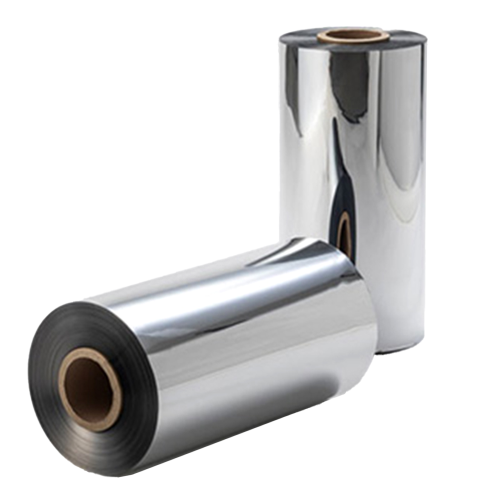
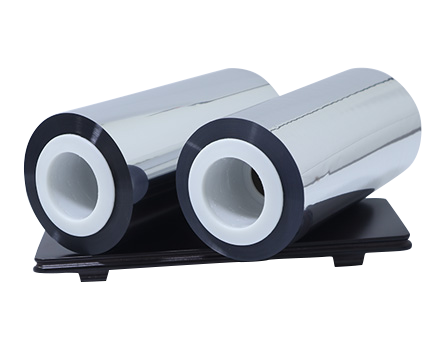
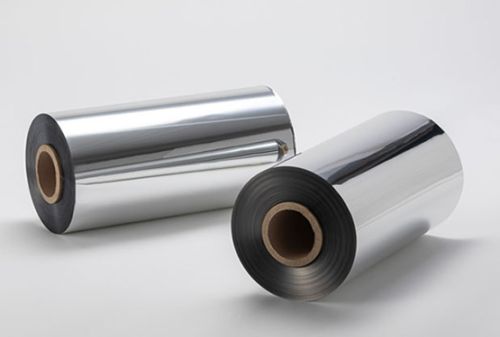
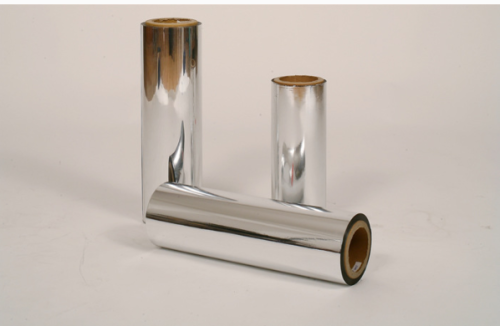
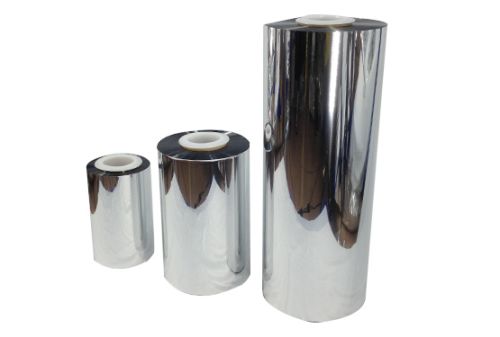
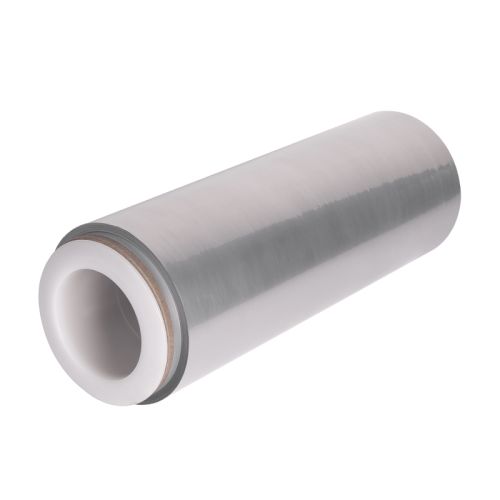
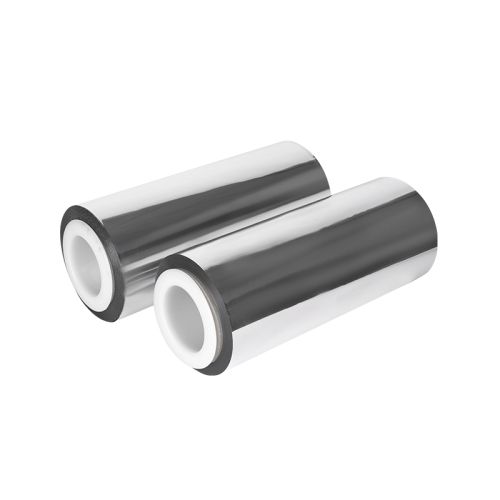
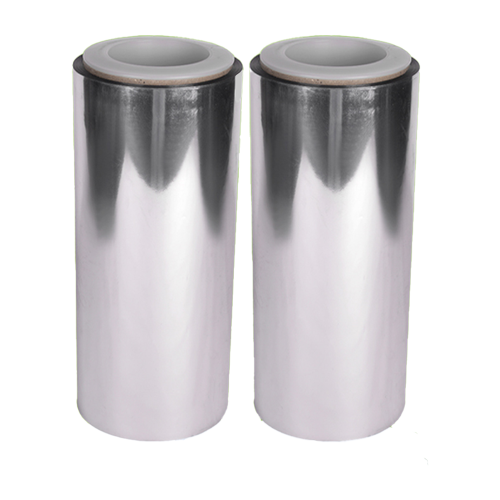
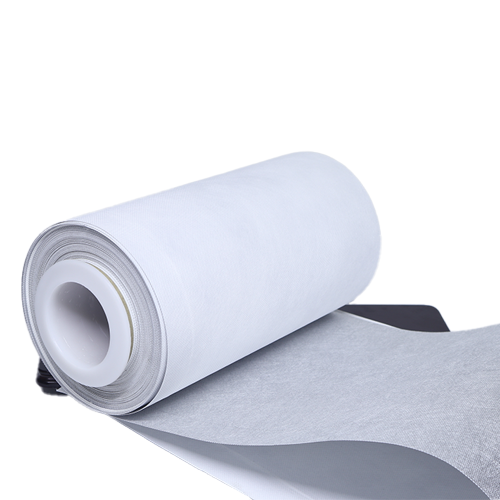
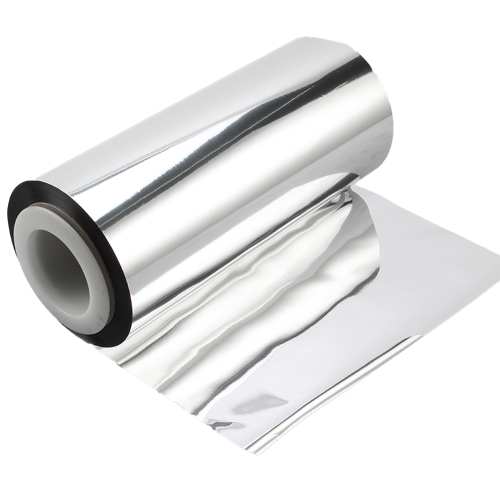
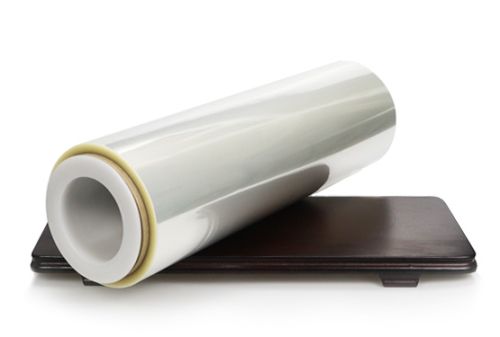
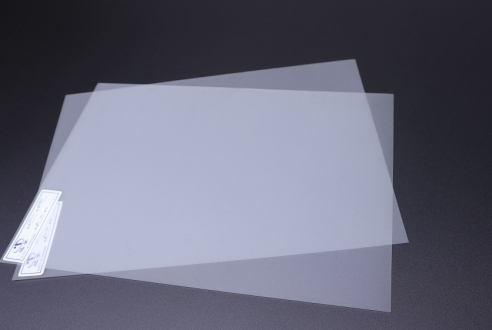
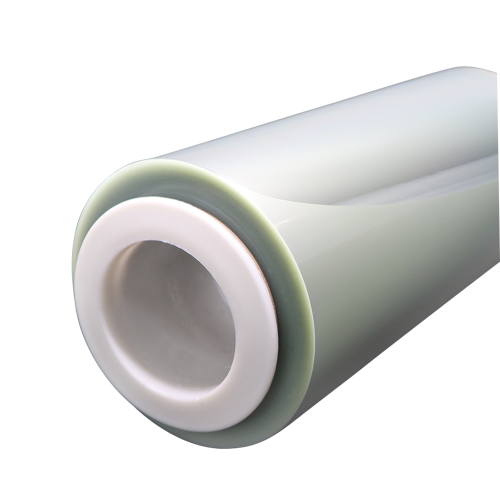
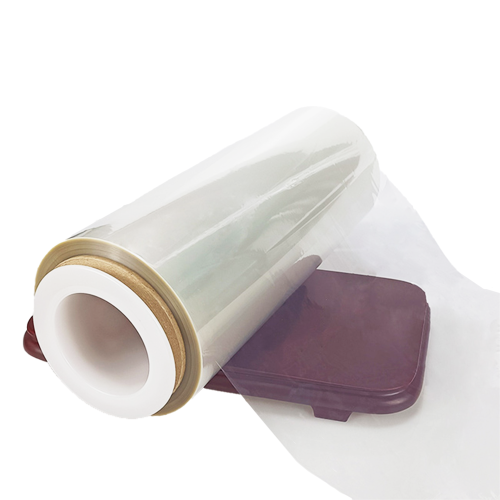
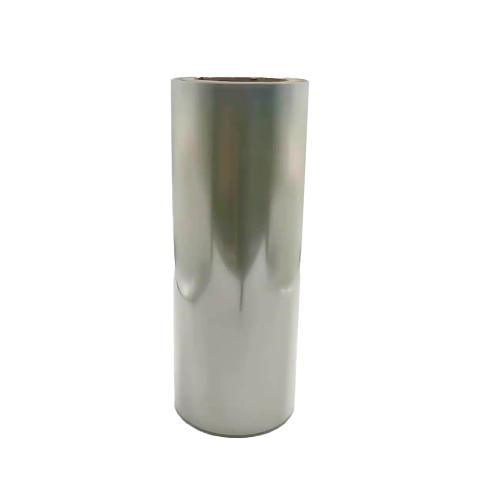
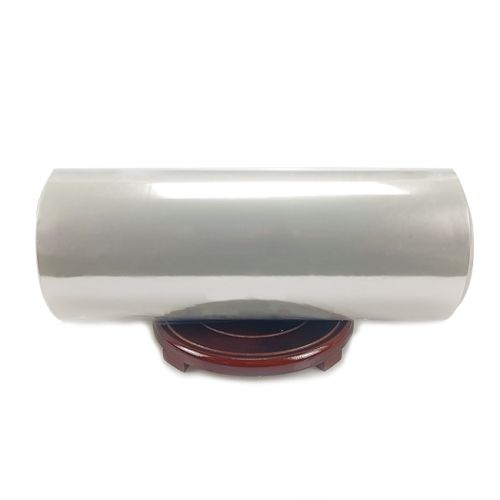
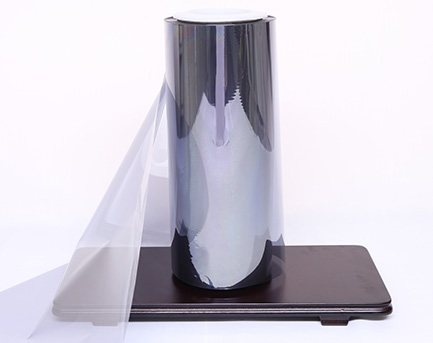
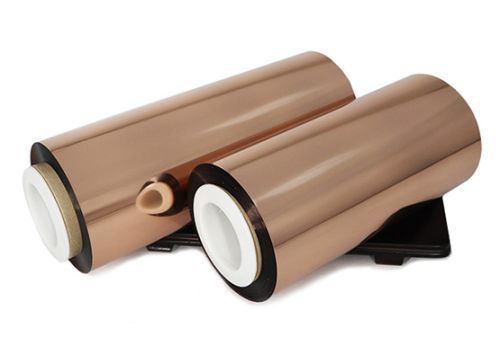
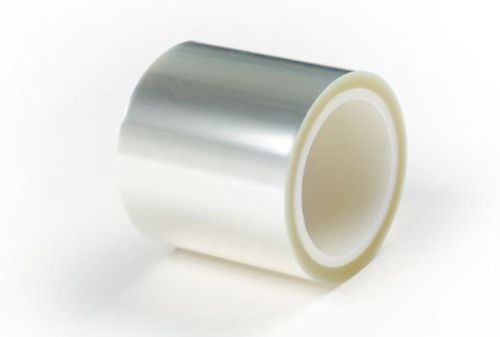
When market attention fixates on chips,光模块, and AI accelerators, a far less visible consumable is quietly moving from "commodity" to "strategic bottleneck" — electronic-grade PET film. It is the base substrate for polarizer protection films, release films, and photosensitive dry films; the carrier for OCA optical adhesive in smartphone displays; and the release layer in MLCC (multi-layer ceramic capacitor) production. One ultra-thin PET base film sits underneath almost every screen, circuit board, and capacitor in a modern device .
The distinction matters: packaging-grade PET (transparent, cheap, tolerates some oligomer) and electronic-grade PET (ultra-low oligomer, ultra-smooth surface, tight thickness tolerance ±0.1 μm, anti-static, sometimes halogen-free flame-retardant) are fundamentally different products. The latter is where the money — and the supply chain risk — lives.
Market Snapshot: Multiple Layers, One Story
Because "PET electronic film" gets sliced differently across research houses, here are the three most cited yardsticks:
| Segment | 2025 Size | 2032/2031 Target | CAGR | Source |
|---|
| Electronic-grade PET films (narrow) | USD 4,185.5 M | USD 6,633.6 M (2032) | 6.81% | pmarketresearch |
| Specialty functional PET films (broader, incl. electronics + PV + medical) | USD 2,090 M (2024) | USD 4,486 M (2031) | 12.0% | QYResearch via Gelonghui |
| China high-end PET substrate (polarizer/MLCC/PCB dry film) | ~RMB 16 B | ~RMB 21 B (2030) | — | CITIC Securities |
Within the broader global electronic films market (all materials), PET already leads: USD 3,146 M in 2025, 33.42% share, just ahead of polyimide (PI) at 30.16% . Display & touch panels take 36.6% of electronic films; FPC/flexible PCB takes 31.5% — both PET-heavy segments .
Regionally, Asia-Pacific accounts for >55% of electronic-grade PET demand, anchored by China-Japan-Korea consumer electronics + semiconductor assembly .
What Makes "Electronic-Grade" Different
Standard PET film won't survive an electronics cleanroom. Electronic-grade variants are engineered for:
- Ultra-low oligomer content → prevents outgassing/contamination during high-temp semiconductor processing and optical bonding
- Thickness down to ≤6 μm (Boheng New Energy commercialized 1.9 μm in Dec 2025, ±0.1 μm tolerance — hair-strand 1/50th)
- Surface resistance ≤10⁹ Ω for anti-static grades (FPC, semiconductor handling)
- High light transmittance ≥98%, haze ≤0.5% for optical grades (OCA, polarizer)
- High-temp dimensional stability → withstand SMT reflow (260°C scenarios still favor PI, but mid-temp PET holds 130–180°C well)
Four Core Application Scenarios
1. Display & Touch — OCA / Polarizer / Backlight
A smartphone alone uses PET film in five places :
- Outer screen: anti-blue-light / high-transparency functional film
- Touch module: OCA carrier + process protection film
- Display: polarizer release/protection film, PVA protection
- Backlight: BEF / diffusion / reflection sheets (PET base)
- Back cover glass protection
OCA full lamination is the rigid demand — any silicon contamination from a poorly formulated release film creates visible display defects, which is why non-silicone PET release films (fluoro-acrylic systems) are gaining ground over traditional silicone-coated PET in high-end OCA and polarizer stacks .
2. MLCC & PCB — The "Hidden Volume" Driver
MLCC miniaturization (5G, automotive electronics) demands high-precision release film with exceptional surface smoothness — every layer of a multi-layer ceramic capacitor run goes through a release film carrier. This is one of the three "core tracks" CITIC identifies alongside PCB photosensitive dry film and polarizer protection film .
For PCB: release film sits between laminated boards during press to prevent resin bleed and ensure even pressure; semiconductor wafer grinding/dicing tapes also use non-silicone PET carriers to avoid silicon contamination on the chip .
3. FPC / Flexible Circuits
Flexible PCB (FPC) is the second-largest electronic films segment at 31.5% globally . PET serves as:
- Coverlay (Coverlay) release carrier
- Conductive adhesive release
- Base substrate for single-sided flex (lower-temp apps; PI still wins for dynamic folding)
Foldable phones push PET toward bending radius ≤1 mm, thickness ≤6 μm grades .