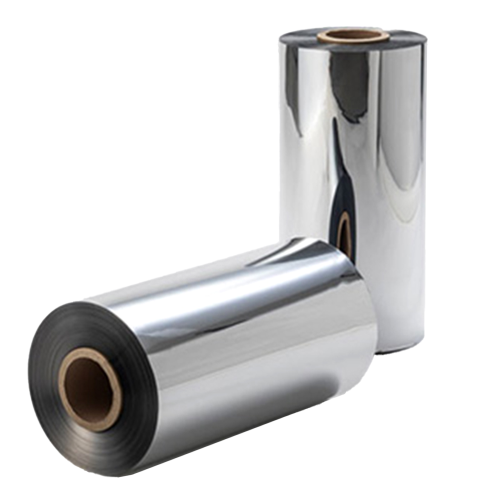
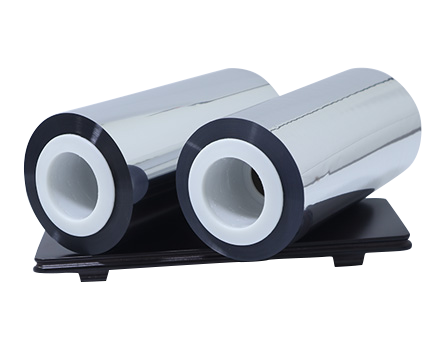
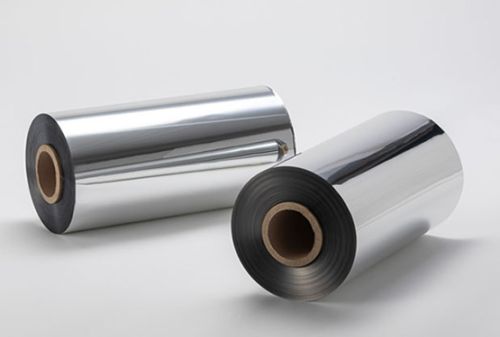
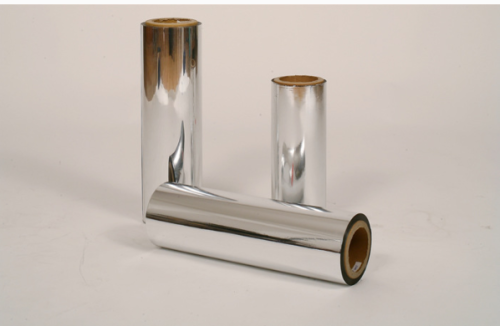
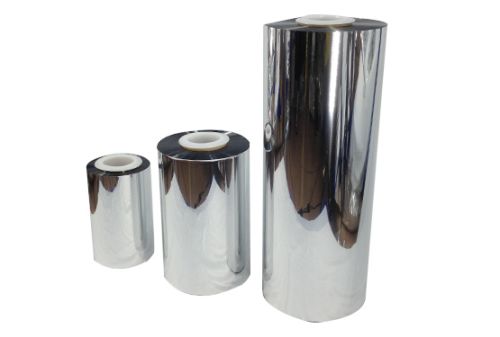
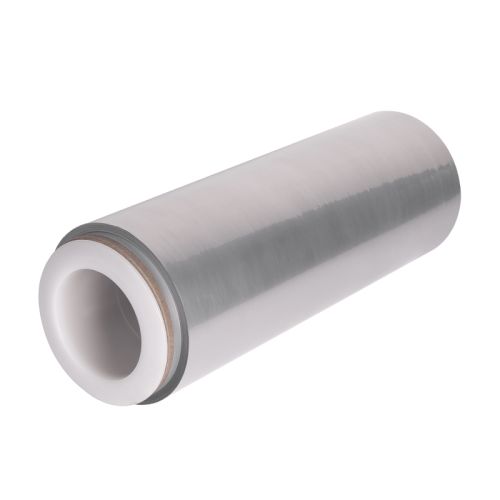
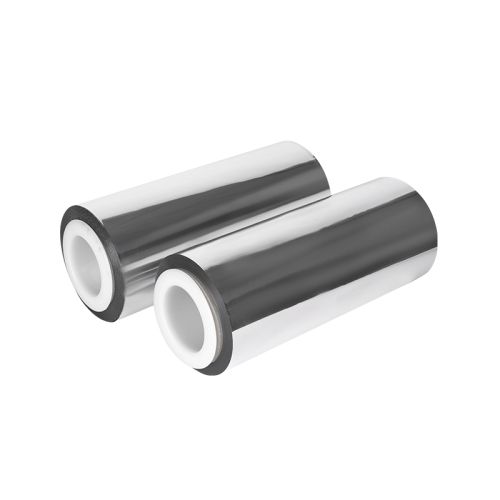
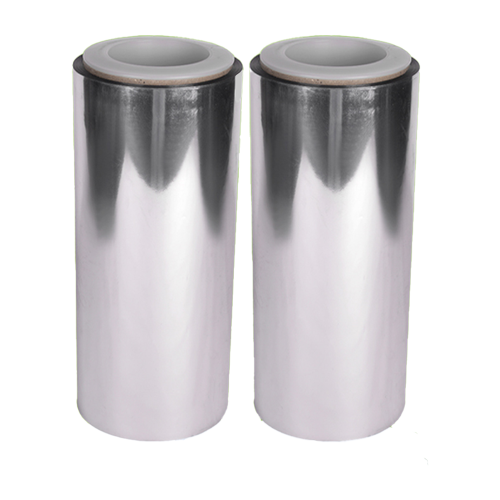
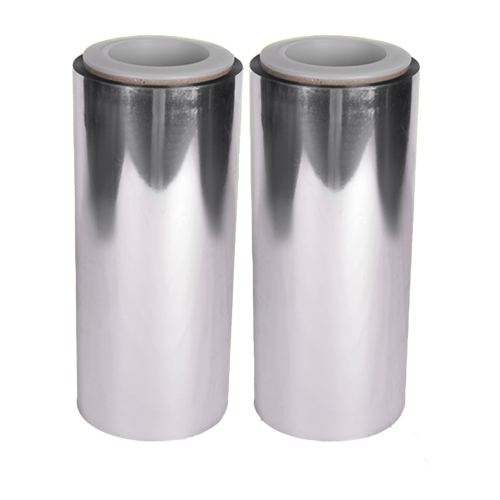
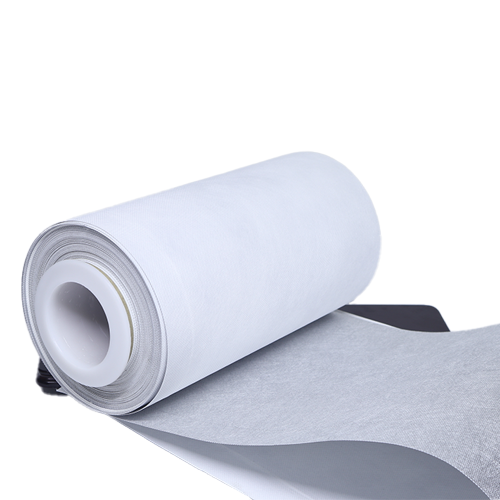
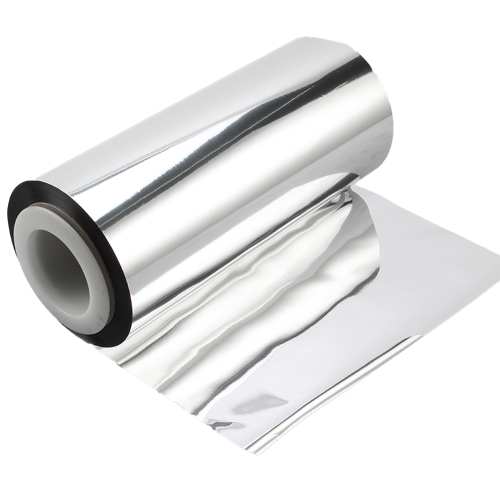
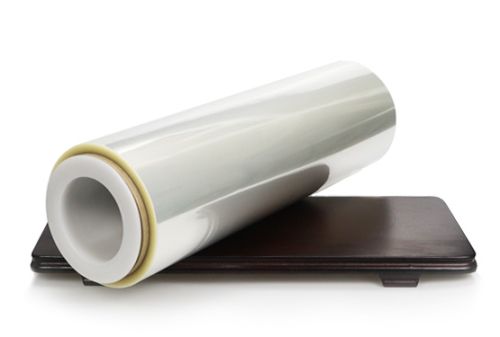
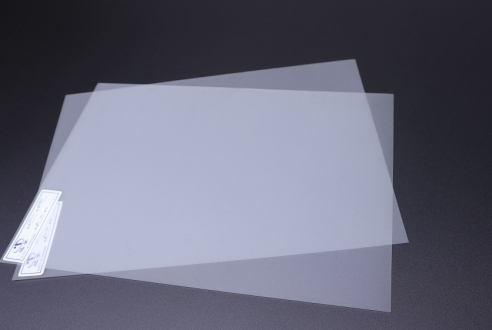
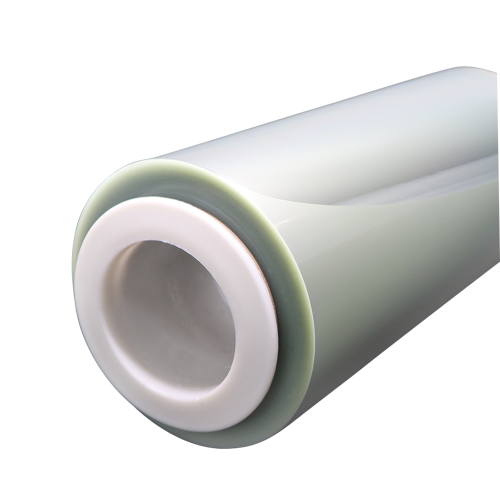
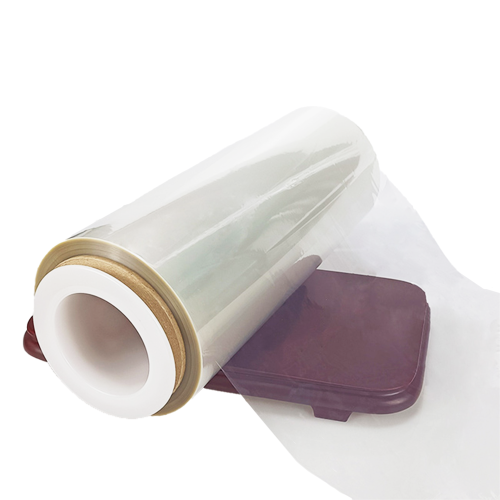
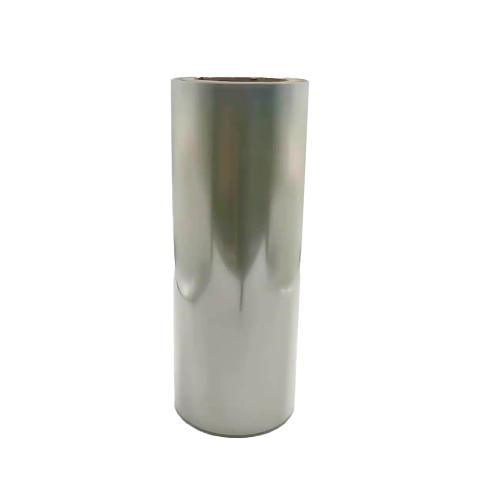
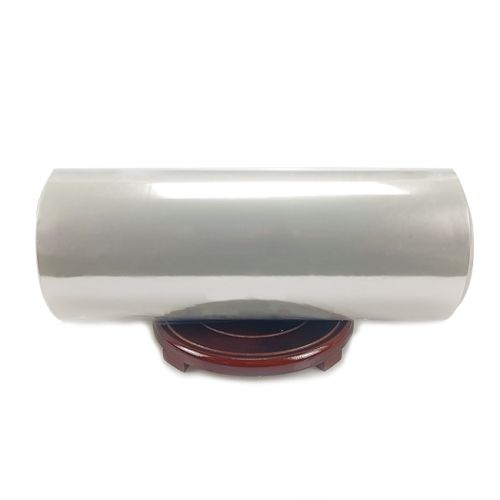
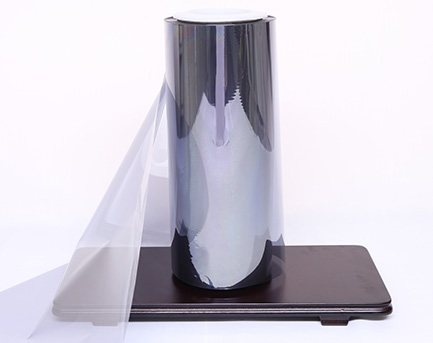
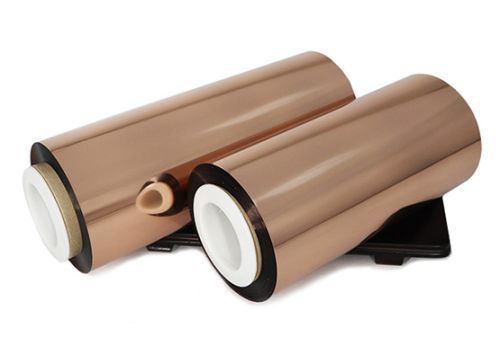
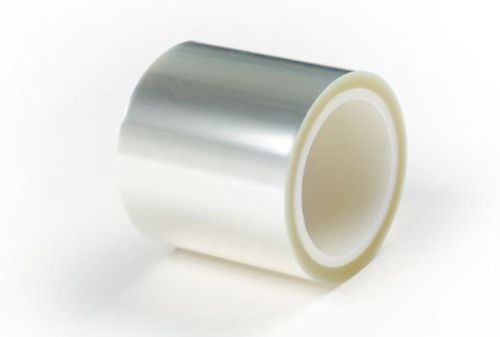
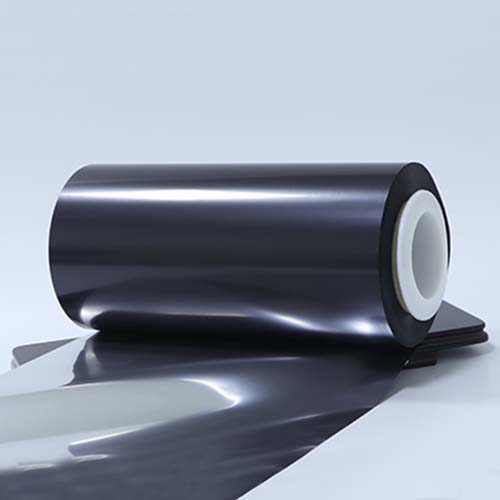
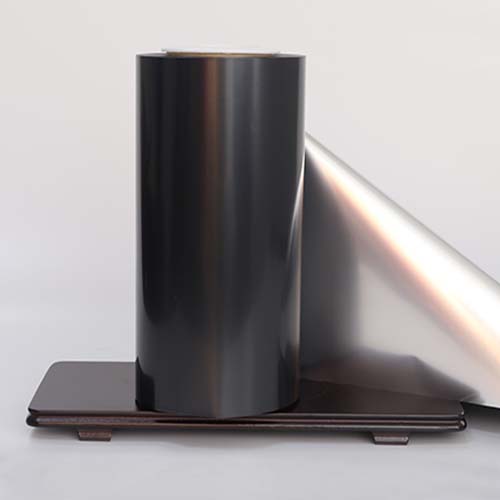
When you need absolute opacity, reliable signal blocking, and superior barrier properties in one flexible film, Black PET Metallized Film is the answer. Made by vacuum depositing a thin aluminum layer onto a zero‑light‑transmission black PET base film, this specialty material serves demanding applications across packaging, electronics, tapes, and industrial shielding.
In this article, we’ll explore the product’s key characteristics, technical specifications, and smart application tips to help you get the most out of this versatile film.
What Is Black PET Metallized Film?
Black PET metallized film starts with a black polyester (PET) base film that has 0% light transmittance. Through a high‑vacuum metallization process, a uniform aluminum coating is applied to one side. The result is a film that combines:
- Complete opacity – blocks all visible light, UV, and IR radiation
- Excellent electrical conductivity – enables electromagnetic interference (EMI) / RFI shielding
- High mechanical strength – retains PET’s inherent toughness and dimensional stability
- Good surface wettability – ready for further lamination, coating, or adhesive bonding
It is widely used in applications where both darkness and shielding are critical.
Key Technical Specifications (from Production Standard)
| Property | Test Method | Unit | Typical Value |
|---|
| Thickness | GB/T 6672-2001 | μm | 12 – 50 |
| Tensile Strength MD/TD | – | MPa | ≥ 140 |
| Elongation at Break MD/TD | – | % | ≤ 150 |
| Heat Shrinkage MD/TD | – | % | ≤ 2.5 / ≤ 1.5 |
| Wetting Tension – Metallized Side | – | mN/m | ≥ 48 |
| Wetting Tension – Non‑metallized Side | – | mN/m | ≥ 42 |
| Base Film Light Transmittance | GB/T 2410 | % | 0 |
| Aluminum Layer Thickness | GB/T 15717-1995 | Ω/□ | ≤ 2.5 |
| Coating Uniformity | ASTM D-1003 | % | ±5 |
These values ensure consistent performance for demanding industrial and packaging uses.
Top Applications & How to Use Them
1. Light‑Tight Packaging for Photosensitive Products
Use black PET metallized film as the outer layer of bags or pouches for:
- Photographic films & chemicals
- UV‑curable adhesives & resins
- Light‑sensitive pharmaceuticals
Application tip: Choose 12–25 μm thickness for flexible pouches; laminate with a heat‑sealable inner layer (e.g., PE or CPP) on the non‑metallized side. The metallized surface should face outward to maximize reflectivity and shielding.
2. EMI/RFI Shielding in Electronics
The conductive aluminum layer effectively attenuates electromagnetic waves. Common uses include:
- Cable wraps and shielding tapes
- Interior lining for electronic device enclosures
- Anti‑static bags for sensitive components
Application tip: For optimal conductivity, ensure the metallized side makes direct contact with the grounding path. Surface resistance ≤ 2.5 Ω/□ is sufficient for most consumer electronics shielding needs.
3. Industrial & Specialty Tapes
Black metallized PET serves as an excellent carrier tape for:
- Double‑sided splicing tapes
- Masking tapes requiring opacity
- Conductive tapes for grounding
Application tip: The high wetting tension (≥48 mN/m on the metallized side) ensures strong adhesion with acrylic, silicone, or rubber‑based adhesives. Pre‑treat the non‑metallized side if needed for better anchor coating.
4. Decorative & Architectural Films
Where a sleek, matte black appearance combined with metallic sheen is desired:
- Window films for privacy & solar control
- Appliance trim & panel overlays
- Automotive interior accents
Application tip: Use a topcoat or hard‑coating over the metallized layer to protect against scratches and oxidation. The film’s zero light transmission makes it ideal for backlit displays where total blockage is required.
Practical Application Advice
- Handling & Storage: Keep rolls in a cool, dry environment (< 30°C, < 60% RH). Avoid prolonged exposure to humidity, which can degrade the aluminum layer.
- Lamination: Dry lamination is preferred when combining with other substrates. Extrusion lamination is also possible but requires careful temperature control to avoid distorting the black PET base.
- Printing: The non‑metallized side accepts solvent‑based and UV inks well after corona treatment. For reverse printing, print on the PET side and then metallize – or use a laminated construction.
- Cutting & Slitting: Use sharp blades to minimize edge burrs. The film’s tensile strength (≥140 MPa) allows clean slitting even at thin gauges.
Why Choose Black PET Metallized Film Over Alternatives?
| Feature | Black PET Metallized | Aluminum Foil Laminates | Black Coated Films |
|---|
| Opacity | 100% (inherent) | 100% | Depends on coating thickness |
| Flexibility | Excellent | Poor (creases easily) | Good |
| Conductivity | Yes (metallized side) | Yes | No |
| Weight | Light | Heavy | Moderate |
| Cost‑effectiveness | High for thin gauges | Higher material cost | Moderate |
For applications requiring both total light blockage and EMI shielding, black PET metallized film offers an unbeatable combination of performance, weight savings, and processability.
Get Started with Black PET Metallized Film
Whether you’re designing a light‑tight pouch for sensitive chemicals, a shielding wrap for cables, or a decorative trim with a stealth look, black PET metallized film delivers consistent results. With thickness options from 12 to 50 microns and a tightly controlled aluminum coating, you can tailor the film to your exact requirements.
Contact us for technical datasheets, sample rolls, or custom slitting services. Our team can also advise on lamination structures and adhesive selection to match your specific production line.
Keywords: black PET metallized film, light‑blocking film, EMI shielding film, vacuum metallized black PET, zero light transmittance film, black PET aluminum coated film, opaque conductive film