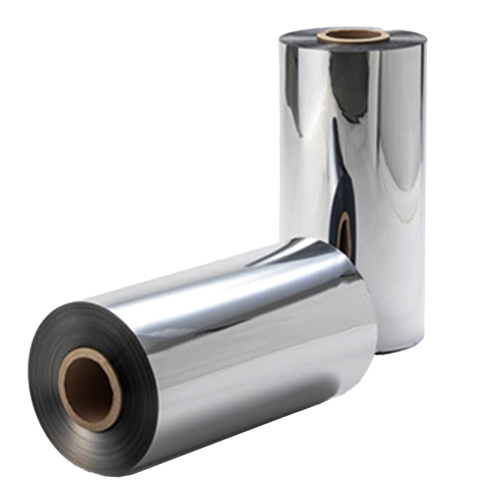
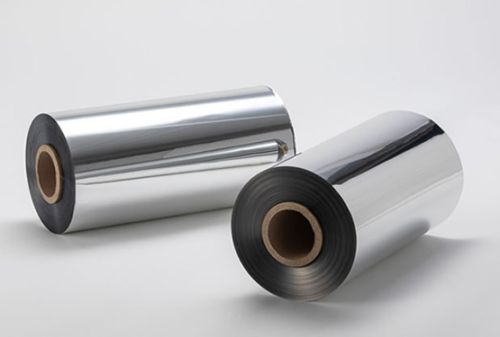
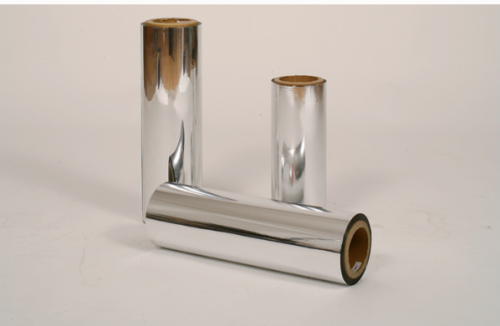
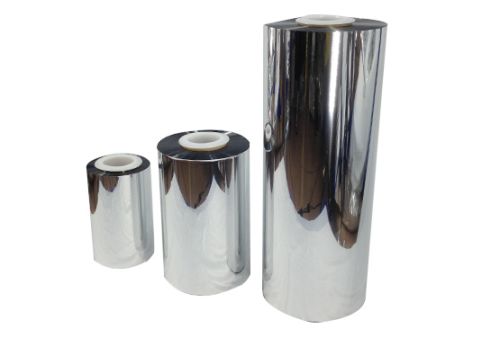
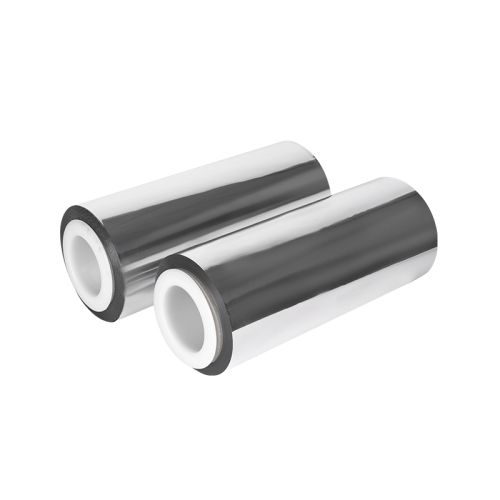
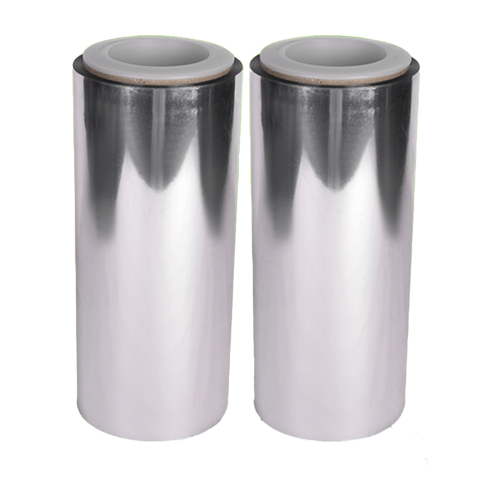
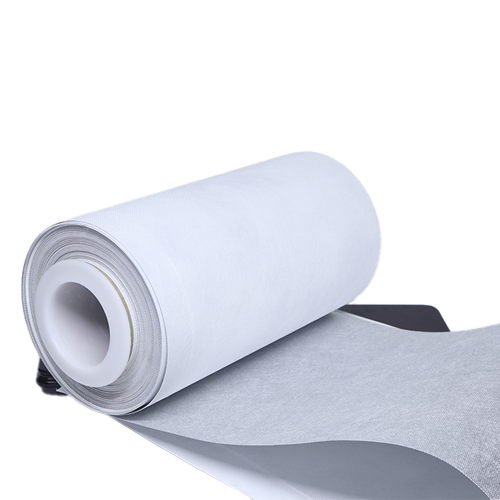
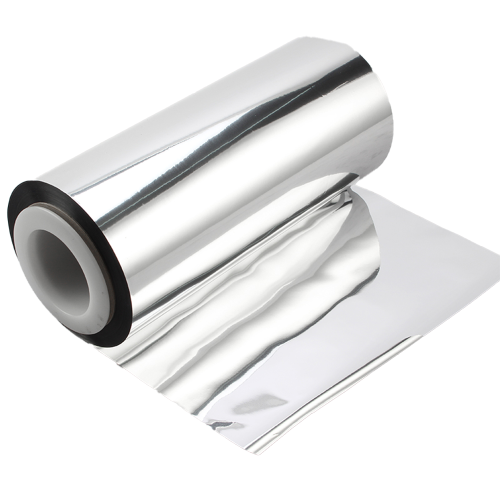
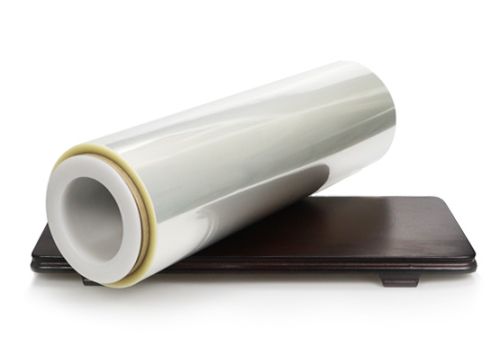
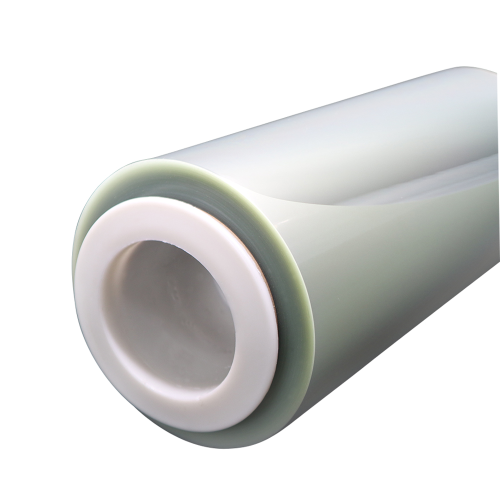
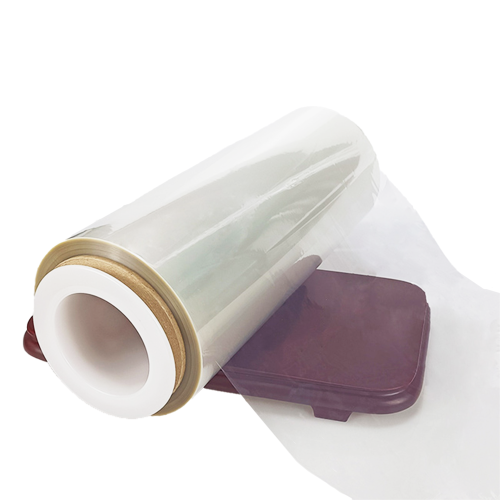
High Barrier BOPA Film is worth evaluating when a vacuum pouch needs a transparent oxygen barrier and mechanical support. The material decision becomes more specific when the pouch bridges a product recess instead of following its shape. The converter must determine whether the problem comes from pouch geometry, laminate stiffness, evacuation conditions or local contact with the product, rather than judging the film from flat-web data alone.
Cailong's film portfolio offers BOPA-CLG, a high-barrier nylon film documented at a reference thickness of 15 μm. Its TDS identifies transparency, puncture resistance, twist resistance and lamination performance, with meat and prepared foods among the applications. Those features support a vacuum-packaging evaluation. They do not establish a maximum draw depth or qualify the material as a heated thermoforming web.
Describe bridging in the actual package
Mark where the pouch stays suspended above the product and where it contacts the surface tightly. A broad bridge across a shallow recess creates a different mechanical arrangement from a small area caught between two rigid features. Photograph the product and pouch together before opening the sample so the location remains understandable.
Record pouch dimensions, fill position and the product's actual shape. A bag that is too narrow may pull across a contour, while excessive loose material can form folds elsewhere. Comparing these conditions helps determine whether changing the film is necessary or whether the package format first needs adjustment.
For this evaluation, drawdown means deformation of a pre-made pouch as air is removed. Heated cavity forming is a separate process with different material requirements. Keeping that distinction explicit prevents a vacuum-pouch application description from becoming an unsupported claim about deep-draw thermoforming capability.
Consider the assembled wall rather than nylon alone
List every laminate layer and its intended role. The high-barrier nylon contributes oxygen protection and mechanical properties, while the selected sealing layer must provide the package's closure function. Adhesive, printing and any additional outer layer also contribute to the behavior of the assembled wall.
The TDS identifies BOPA-CLG / RCP for its before-and-after-retort comparison. That documented construction provides context for the reference results. It should not be treated as proof that every proposed laminate will deform identically around the customer's product or operate on the same vacuum equipment settings.
When comparing candidates, keep the layer changes visible. A thinner nylon combined with a much stiffer outer web may not produce the expected improvement in conformity. Conversely, removing a layer could alter print protection, handling or overall barrier. Explain what changes in the whole structure before attributing the result to one polymer.
Locate strain without assuming a puncture failure
Examine the regions between firm contact points and unsupported film. Local deformation may occur even where there is no sharp object or visible hole. Inspect for whitening, local distortion, creases or changes in the printed image, treating them as observations for investigation rather than automatic evidence of barrier failure.
Compare machine and transverse orientations when the pouch layout allows a meaningful study. A formed shape can load more than one direction at the same time. Retain orientation information in the cutting and pouch-making records so a later layout change does not remove the link between the trial and production.
Use a representative product or a justified surrogate with the same important contours and contact surfaces. A smooth laboratory block may help isolate a variable, but it cannot reproduce every recess or corner in the commercial pack. State what each specimen represents before using its result for approval.
Separate evacuation behavior from seal-area problems
Observe how air leaves the pouch and whether the product or folds obstruct that route. A pocket that remains inflated may be an evacuation issue rather than evidence that the nylon is too stiff. Review the filling position and equipment operation with the packaging team before changing material thickness.
Inspect the seal region after evacuation. Product movement can pull the mouth into folds or place uneven tension near the closure. A package that follows the contents well but seals across a wrinkle has not met its protection brief. Assess wall conformity and closure formation as related but separate functions.
Run comparisons within the equipment supplier's accepted process range. Do not prescribe a universal vacuum level, dwell time or chamber setting from a film brochure. Record the actual setup, package dimensions and filling arrangement so the accepted condition can be reproduced on the intended line.
Test the package after it has changed shape
Flat incoming barrier measurements provide an initial reference. The finished pouch should also be assessed after evacuation and representative handling. Agree the specimen selection and oxygen-transmission conditions with the laboratory, particularly if the investigation concerns a small region whose behavior could disappear within a larger average sample.
The published BOPA reference data omit some conditioning and retort details. Request the selected construction's complete test context before making numerical comparisons. A favorable reference description does not supply the final package's allowable oxygen ingress, and it should not be converted directly into a shelf-life commitment.
Include leak and seal-integrity checks using the package's agreed method. These help distinguish transmission through the wall from an open path at a seal or a damaged location. If protection changes after evacuation, retain the failed package and its matching control rather than relying only on a final pass-or-fail record.
Storage and transport can change how the contents press against the wall. Evaluate the relevant movement and package stacking arrangement after the initial drawdown. This is especially useful when a pouch looks satisfactory immediately after packing but develops a defect after the product settles into another position.
Provide Cailong with the intended vacuum application, layer drawing, pouch dimensions and photographs of the bridging region. Request samples for complete bag trials rather than selecting solely from a strip of incoming film. High-barrier BOPA can then be assessed for the role its documentation supports, while the converter establishes how the complete wall conforms and protects the product. The result is a material decision tied to actual package geometry, with any thermoforming or additional thermal processing addressed through its own qualification.