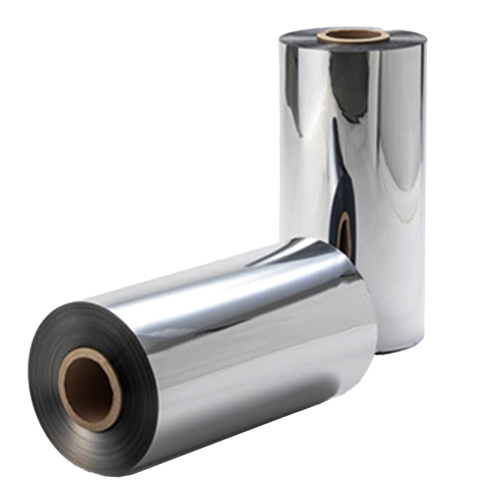
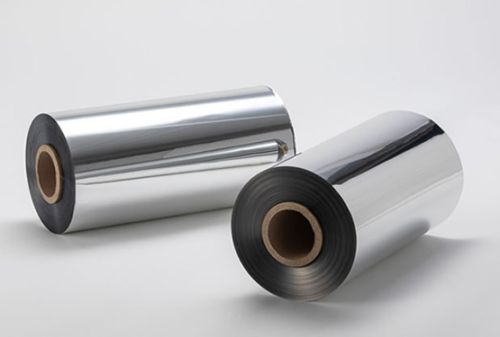
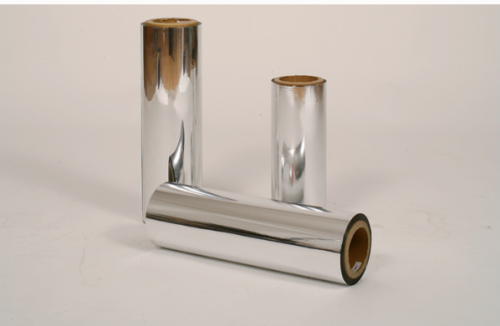
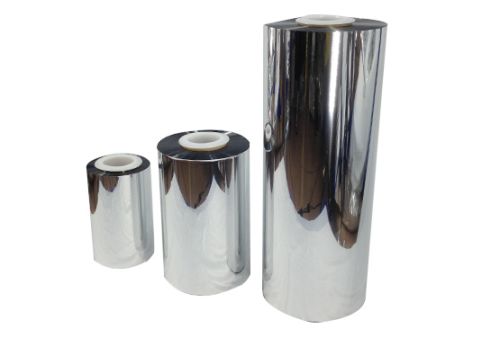
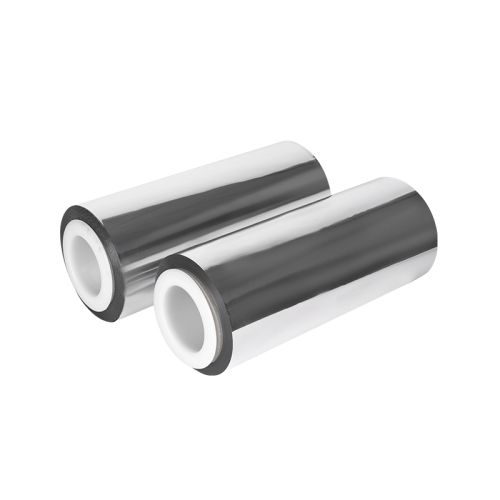
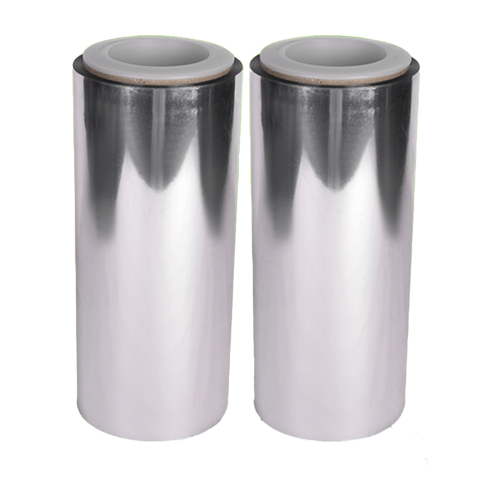
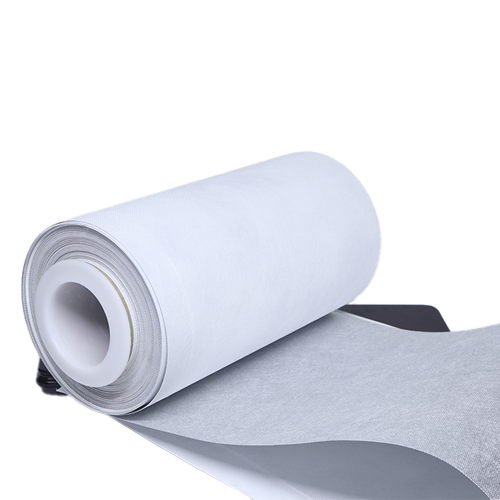
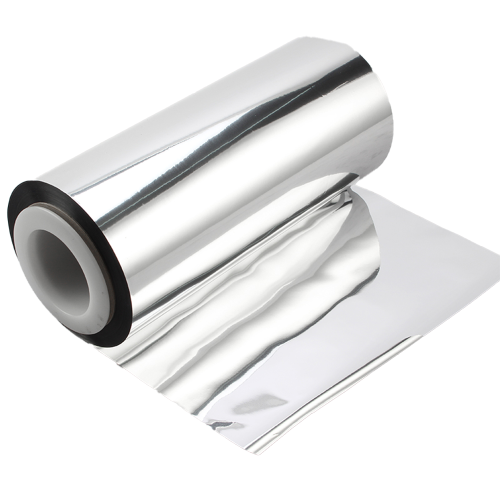
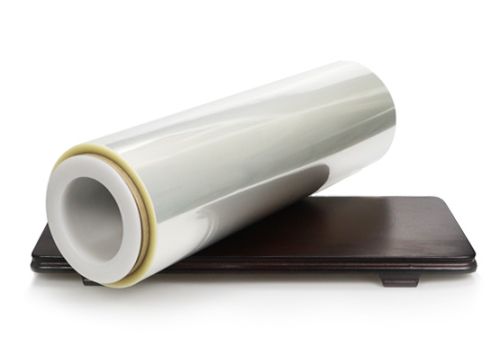
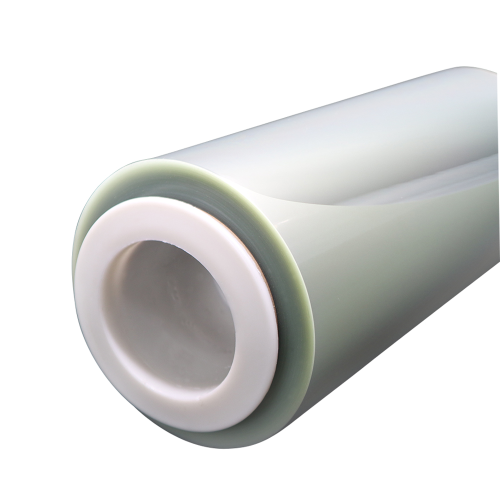
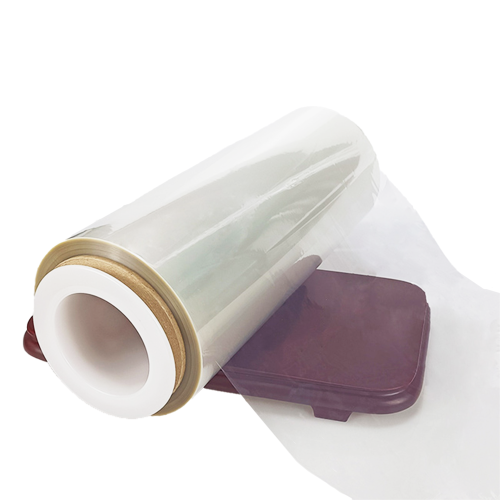
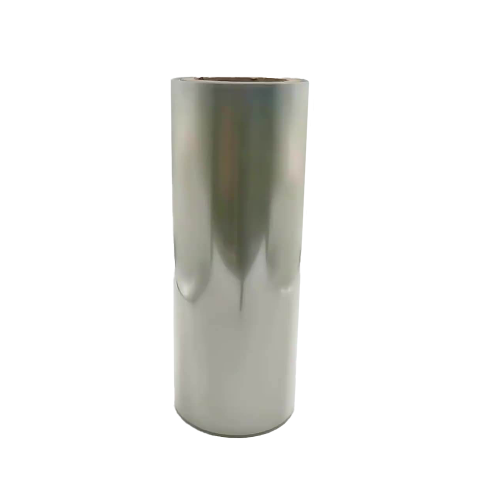
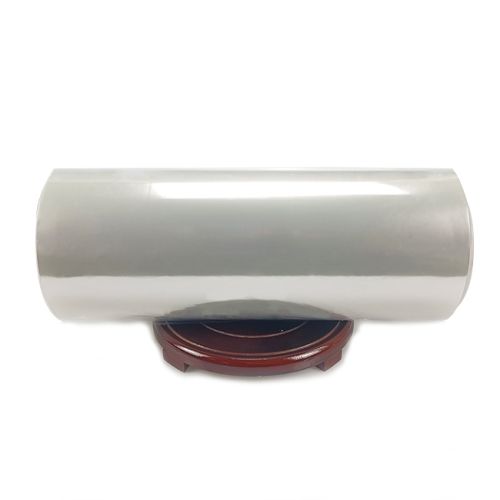
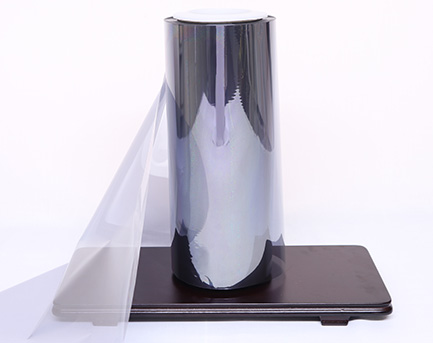
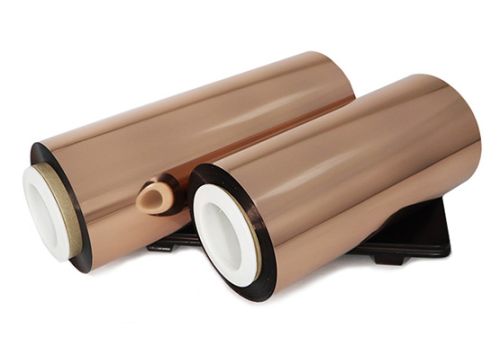
Metallized Paper can help a packaging converter evaluate a paper-based format that combines printing, barrier and sealing functions. However, an acceptable print leaving the press does not prove that the web can be wound and stored without transfer. Ink set-off becomes a practical concern when the printed face contacts the reverse side inside the reel, particularly if that reverse side will later form the seal.
Cailong's film portfolio includes a high-barrier metallized paper described in its brochure as a paper, coating, metallized layer and heat-seal layer construction. The material supports direct printing and bag making. Those functions make reel handling part of the package design: print quality, barrier protection and the sealing interface must remain usable through the same conversion route.
Identify which two surfaces touch inside the reel
Begin with a layer sketch and the actual web winding direction. Mark the printed face and the reverse heat-seal face. Confirm their identity with the film supplier rather than assuming that the metallic appearance identifies every functional layer. A misunderstanding at this stage can send the printing team toward the wrong ink or treatment.
Examine whether the print contacts a heat-seal surface, an unprinted coating or another functional face when wound. That contact relationship determines which transfer matters. A faint image visible on the reverse is an appearance concern, but deposited material on a seal interface may also require evaluation during bag making.
For food packaging, keep applicable contact and transfer requirements within the approval process for the finished construction. Direct printing and direct bag making are converting capabilities, not blanket authorization for every ink system or food application. Obtain the relevant documentation for the selected material, inks and use conditions.
Separate set-off from abrasion and layer damage
Set-off involves material transferring from the printed surface to a contacting surface. Abrasion can instead remove or mark print through rubbing, while coating damage can expose or detach part of the underlying construction. These defects may look similar at first inspection but suggest different process questions.
Inspect the printed and reverse faces as a pair. Record whether a recognizable image transfers, whether loose particles appear, or whether a metallic or coated layer is visibly affected. Keep matching samples from the same reel location. Photographs alone can miss the texture or distribution that helps identify the failure.
Use unprinted substrate and printed retained samples as controls where practical. If the defect is also present on unprinted material, investigating ink drying alone may not resolve it. If it appears only beneath heavy print coverage, that pattern provides a more focused starting point without establishing the cause by itself.
Match the drying or curing route to the ink system
Confirm the ink technology and the supplier's requirements for the actual substrate. A water-based, solvent-based or radiation-cured system requires its own process evidence. Do not describe a universal drying temperature or exposure that supposedly prevents transfer for every metallized paper grade.
Press speed, ink application and drying or curing conditions should be recorded together during the trial. The purpose is to establish a reproducible approved combination. A surface that feels dry to an operator may still need a more relevant check before winding under prolonged contact.
Include demanding artwork areas in the trial. Dense coverage, overprinted colors and varnished regions may behave differently from a light text panel. Approving a small unrepresentative patch risks missing the part of the commercial design that creates the greatest contact challenge in the reel.
Reproduce winding and storage contact
Evaluate the reel condition that production will actually create. Record winding settings, roll size, storage duration and environmental conditions. These are trial variables to control, not fixed limits supplied by a generic paper description. The accepted operating range should come from the material and ink suppliers together with conversion evidence.
Check samples from more than the outer wraps. Contact conditions can differ within a reel, so an attractive outside surface may not represent material that has spent longer under wound contact. Keep location records when opening the trial reel to allow any transfer pattern to be traced.
A small contact test can help compare candidate ink systems, but its pressure, duration and temperature must be defined. Treat it as screening unless it has been shown to represent the production reel. A laboratory pass should not silently replace a realistic winding and storage trial.
Follow the reverse face into bag making
After storage, inspect the reverse heat-seal face before forming packages. If transfer is present, retain it for investigation rather than wiping the surface and continuing as though nothing changed. Cleaning could remove the evidence while introducing another unqualified treatment to the sealing interface.
Make trial seals using the stored printed material and compare them with an appropriate unexposed control. Evaluate the package's required integrity and opening behavior, and inspect the failure location. A change in seal behavior should be traced to the actual construction rather than attributed automatically to the metallic layer.
Barrier assessment also remains separate. A material can have acceptable oxygen and moisture transmission while its print transfers, or it can retain print appearance while suffering a different package defect. Record these functions individually so one successful result does not hide another unresolved problem.
If a protective overprint coating is proposed, qualify it as an additional part of the design. It may change the contacting surface and visual finish, and its compatibility must be checked. Adding it is not evidence that transfer has been solved until the revised reel passes the agreed evaluation.
For procurement, send Cailong the printing method, ink system, artwork coverage, winding arrangement and intended seal use. Request trial quantities that permit both reel storage and subsequent bag making. Metallized paper is a useful candidate when its documented functional layers match the package brief. Controlling ink set-off ensures that the benefits considered at material selection remain available after the printed web has spent time in a real production reel.