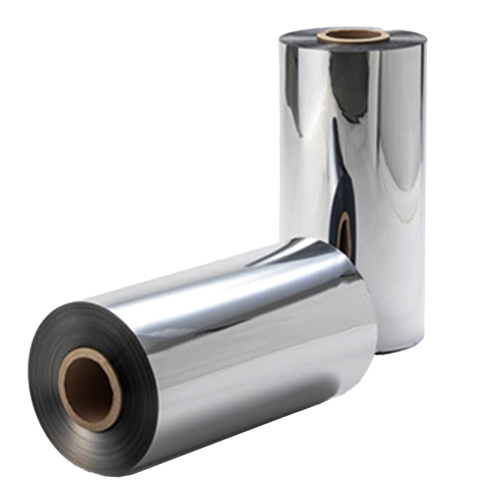
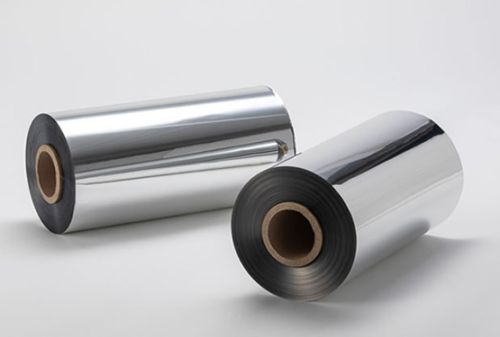
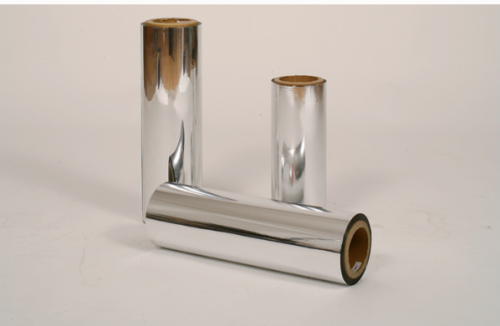
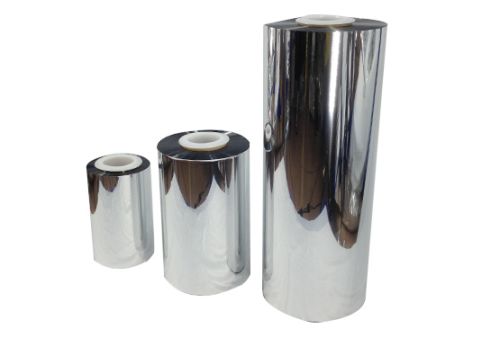
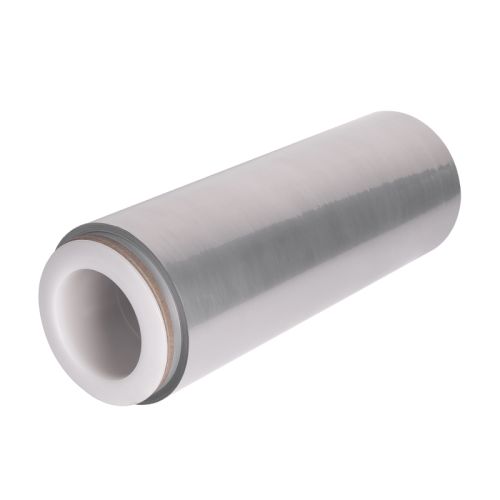
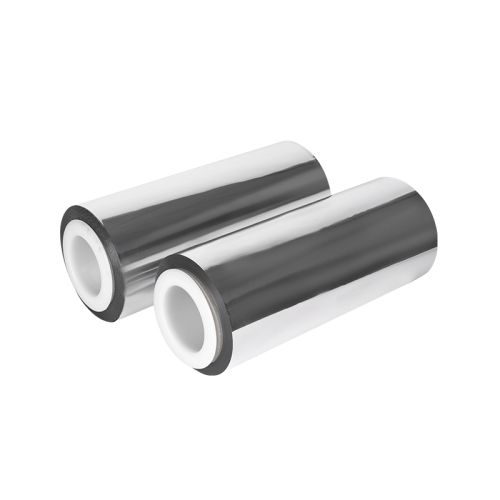
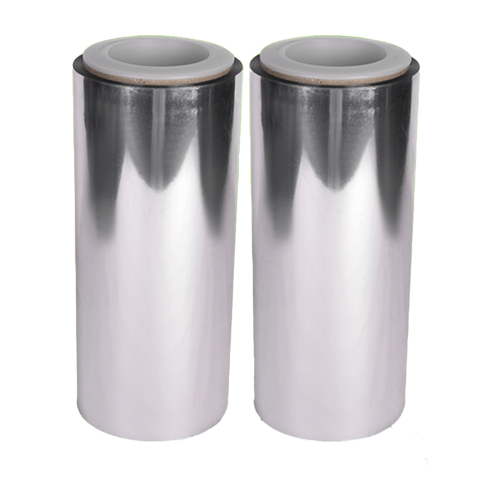
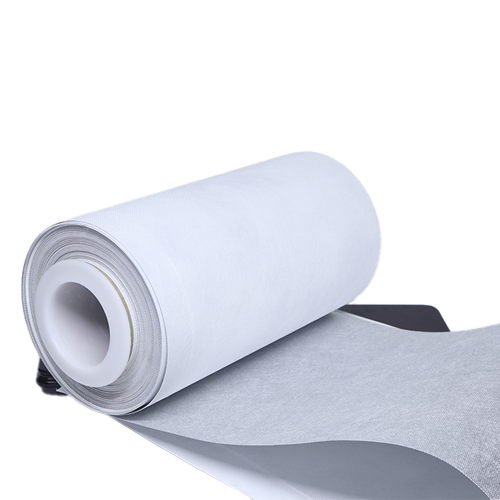
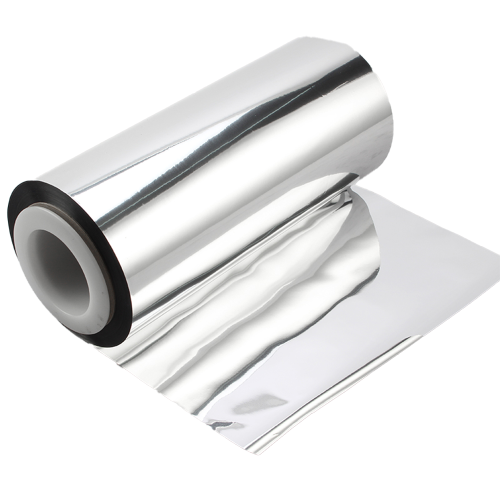
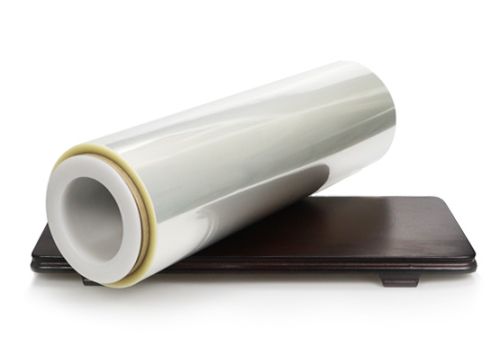
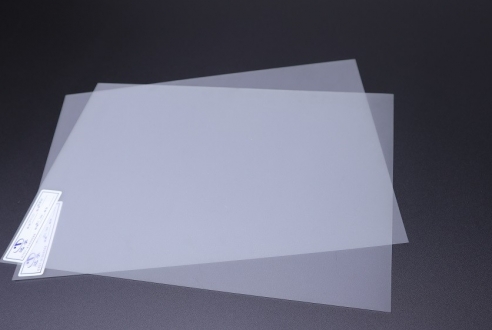
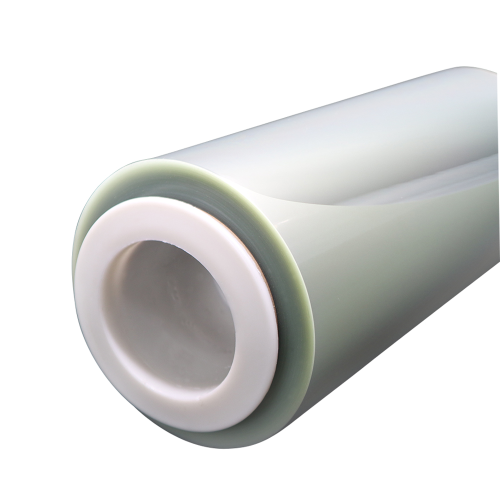
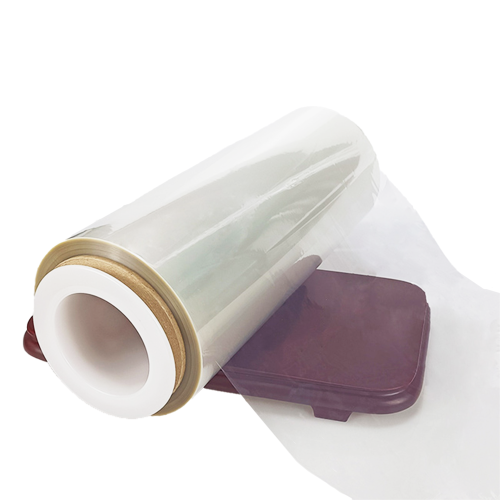
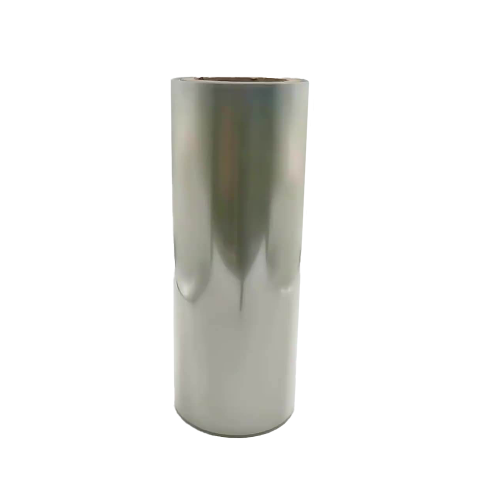
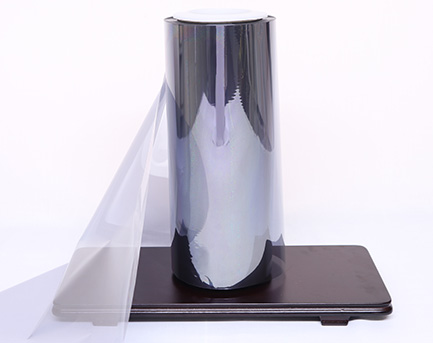
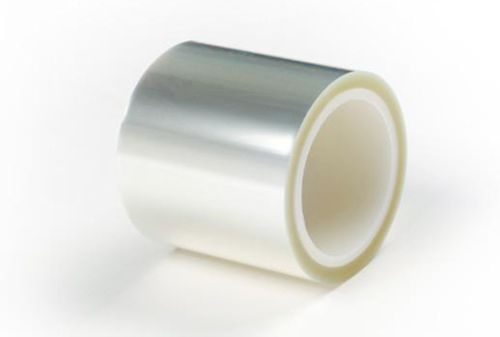
PET SiOx Film can be considered for a transparent barrier layer, but choosing it for a flat lid is a different decision from choosing a web that will be drawn into a tray. Incoming oxygen-barrier data describe the supplied specimen. They do not establish what happens when the packaging design changes its shape or places the barrier in a different component.
Cailong's film portfolio lists WBP-12RT, a PET film with a silicon oxide barrier layer and a reference thickness of 12.5 µm. Its confirmed direction is transparent laminated packaging development, including a functional surface designated for printing. The page does not establish thermoforming capability, heat-seal performance or a thermal-processing approval. These distinctions help a converter place the candidate where its evidence is relevant.
Decide which component needs the barrier
Draw the lid, tray walls, tray base and perimeter closure as separate parts of the package. Oxygen and moisture can reach the contents through more than one of them. Improving only the lid may have limited value if the tray body or seal dominates entry. Conversely, an adequate tray body does not make a low-barrier lid sufficient.
This allocation should precede the choice of film. State which component currently limits protection and why a transparent alternative is being considered. The reason may be product visibility or a change from an opaque construction. A useful material discussion begins with that function, rather than treating every clear part of the package as interchangeable. Identify any separate forming web by its own specification, even when the finished lid and tray are both described commercially as transparent barrier packaging.
A flat lid still needs a complete construction
One possible lid construction for evaluation is a printable carrier / adhesive / PET-SiOx barrier web / adhesive / tray-compatible sealant. The carrier supports graphics and handling, the SiOx web supplies the selected barrier function, and the sealant joins the lid to the intended tray flange. The converter must confirm whether this arrangement is needed and which materials fit the application.
The supplied PET-SiOx film should not be assumed to seal directly to the tray. Ask which surface is used for printing or bonding in the chosen route. A functional surface identified for printing is useful process information, but it is not approval for every ink and adhesive. The final lid has to combine its barrier role with a workable sealing interface.
A nominally flat lid also encounters web tension, sealing contact and flexing during use. Those exposures should be included in the trial. The important distinction is that a lid development may avoid the substantial draw required to create a tray wall. That difference narrows the process question without implying that flat-lid qualification is automatic.
Forming creates another material requirement
When a web is drawn, local regions experience different deformation. Corners, side walls and transitions may thin differently from the base. A bulk tensile result cannot show that a barrier coating retains its function throughout those locations. The supplied page does not provide a draw limit or a post-forming barrier map for WBP-12RT.
For a proposed formed structure, ask the material supplier whether the exact web and coating are intended for that route. If supporting evidence is unavailable, keep the film at screening status and consider whether a separate flat barrier lid better matches the available information. This is a placement decision, not a claim that every SiOx-coated PET film is unsuitable for forming.
Inspection should follow the actual shape if development continues. A measurement dominated by the flat base can miss a weak corner, while a small selected region may not represent total package entry. Agree on the specimen arrangement and interpretation with the laboratory before accepting a favorable average as proof of uniform protection.
Keep reference data attached to the supplied web
For WBP-12RT, the page reports typical OTR of 0.32 cc/(m²·day) under ASTM D3985 at 23°C and 0% RH. Typical WVTR is 0.35 g/(m²·day) under ASTM F1249 at 38°C and 90% RH. These figures refer to the material data for the 12.5 µm reference film, rather than a formed tray or completed lid-and-tray package.
The different measurement environments must stay visible during comparison. Ask for a current specification and confirm the supplied grade. If the customer's requirement concerns a different environment, seek relevant data instead of inserting the reference figures directly into a package calculation. Typical measurements also should not be relabeled as guaranteed purchasing limits.
Assess sealing and product exposure independently
A lid-to-tray trial should use the actual flange material, geometry and sealing arrangement. Check the required opening behavior and intact closure as separate outcomes. A package can have a suitable barrier panel and still lose protection through a discontinuous perimeter seal. Replacing the barrier web will not necessarily correct that interface.
If the product or process includes heating, define that exposure before selecting the laminate. The WBP-12RT information does not establish boiling or retort suitability. Avoid inferring a process approval from the model suffix or from the presence of a PET carrier. Confirm product contact and any other applicable requirements for the complete construction as part of the intended package review.
Compare converted samples with the current package under a common evaluation. Include the relevant storage and handling conditions, keeping the component geometry and seal arrangement identified. This shows whether the proposed placement of the barrier actually addresses the reason for changing materials, rather than only producing an attractive transparent sample.
Request a trial around the package drawing
For a PET-SiOx discussion, send a cross-section identifying the lid, tray body and sealing surfaces. State which part is formed, where the current protection problem occurs and what visibility is required. Add the process temperature history and package-level acceptance criteria. Those details help determine whether WBP-12RT merits evaluation as a flat barrier web or whether the project first needs evidence for a different formed construction.