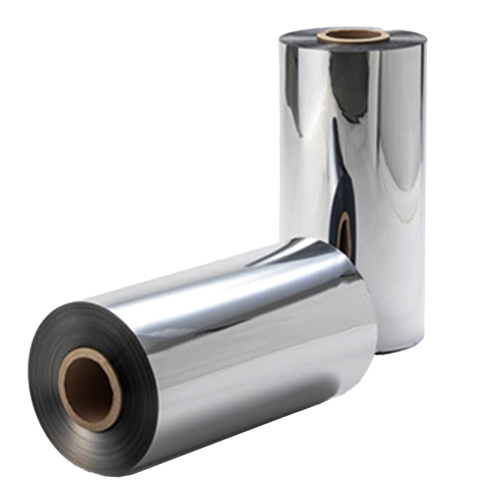
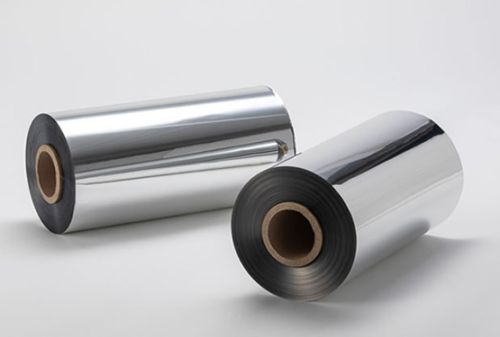
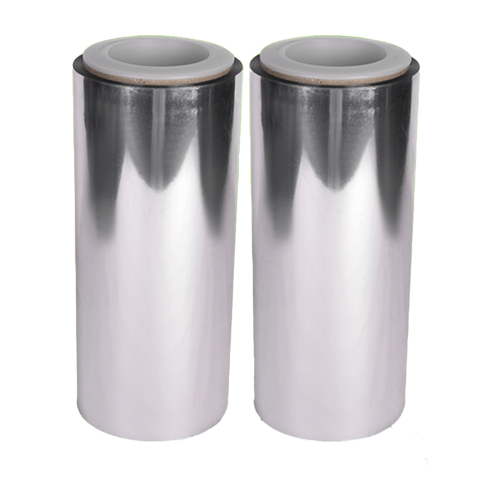
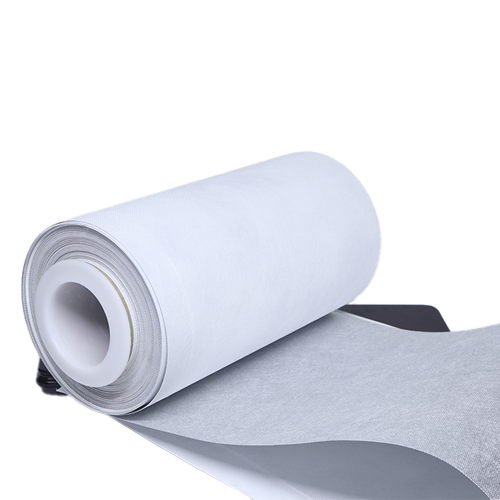
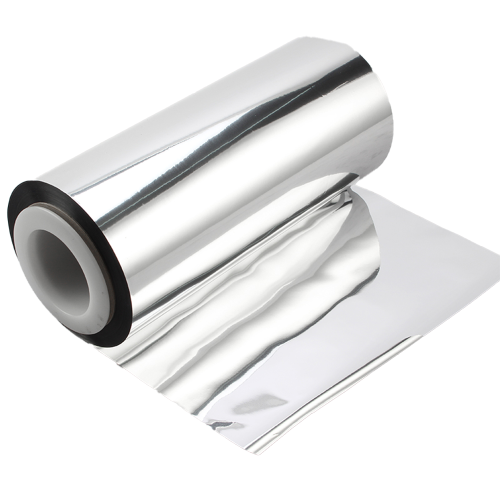
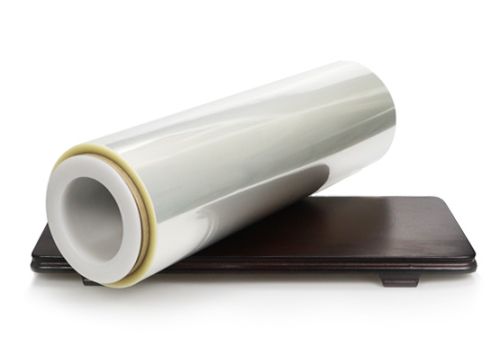
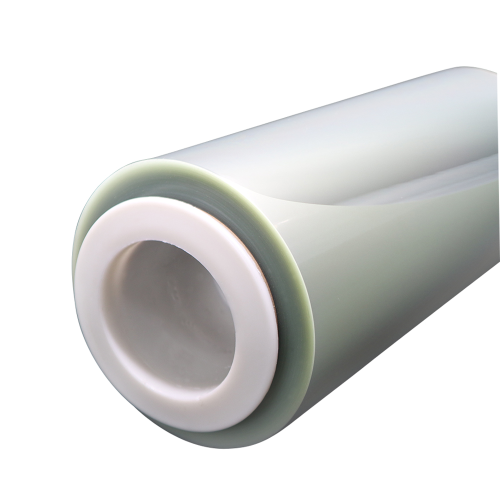
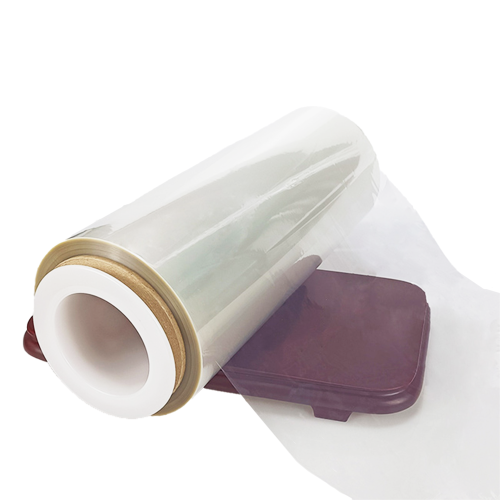
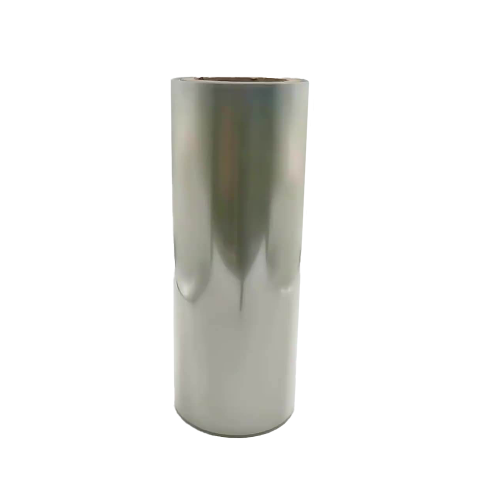
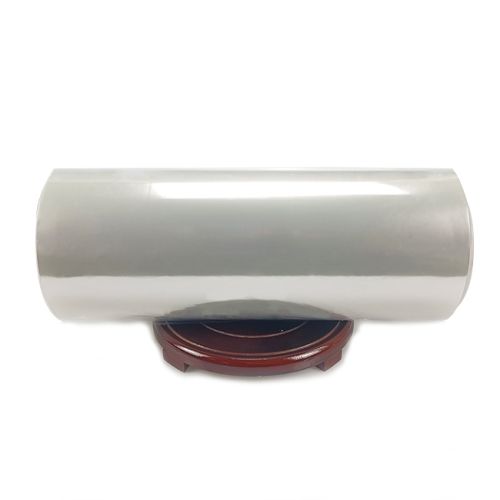
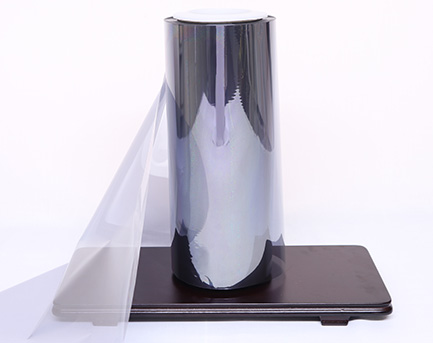
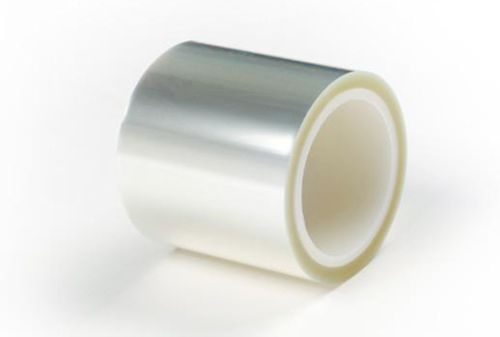
PET AlOx Film should be selected alongside the oxygen scavenger when a transparent pouch needs active oxygen control. Adding an absorber does not remove the need for an effective package wall. The film controls continuing oxygen entry, while the scavenger must deal with the oxygen load that reaches it under the actual filling and storage conditions.
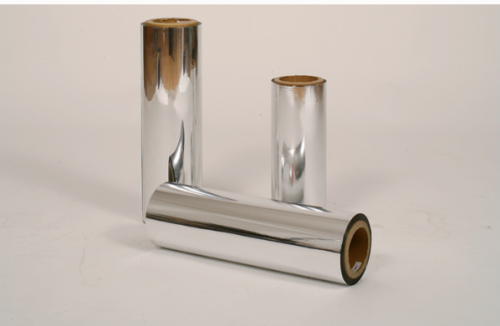
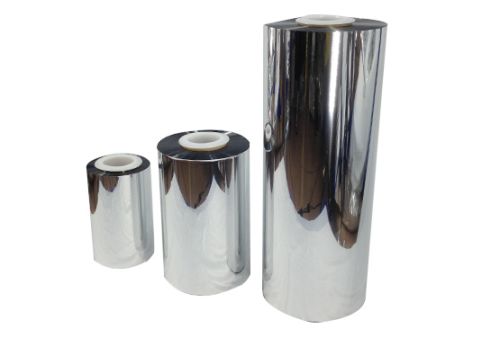
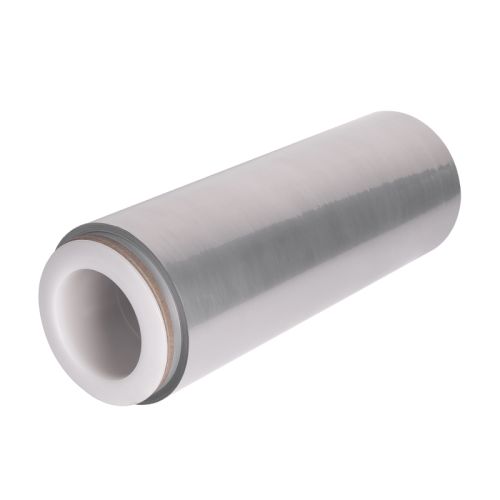
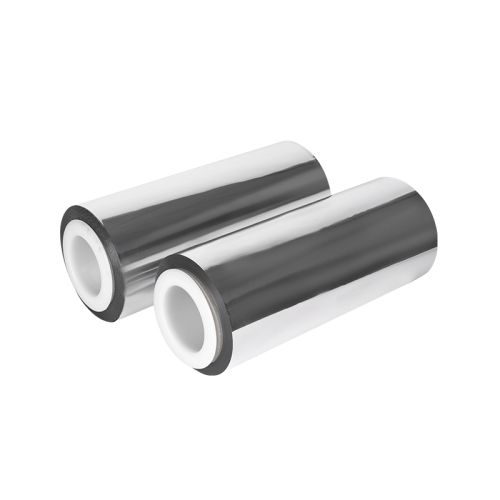
Cailong's film portfolio offers PET-AlOx-020, a transparent BOPET film with an aluminum oxide barrier layer. The product page identifies it as a grade without a top coating and advises against direct printing. It provides a candidate barrier layer for evaluation, rather than a prequalified film-and-scavenger system. The absorber, package construction and contents must be assessed together before a protection claim is made.
Identify the oxygen load before changing materials
A package can contain oxygen in the headspace immediately after filling. Oxygen may also remain within a porous product or enter later through the walls and closure. These contributions occur on different timescales. A scavenger selected only from the visible headspace can therefore be an incomplete choice, even if the incoming film has a suitable oxygen-barrier specification.
The first discussion should establish what the product actually needs: a lower initial oxygen level, control of later ingress, or both. Record the filling atmosphere and the package geometry. A wider pouch with more exposed wall area presents a different evaluation from a small sachet. Keeping these inputs explicit helps the converter avoid treating the absorber as compensation for an undefined laminate.
Give each part of the package a clear job
One possible structure for evaluation is printed PET / adhesive / PET-AlOx-020 / adhesive / PE sealant. The outer PET carries the artwork, the AlOx-coated film supplies the transparent barrier function, and the inner PE provides the intended sealing and product-facing surface. The adhesives connect those layers. This proposed structure must be confirmed with the converter and is not an established configuration for every oxygen-sensitive product.
The scavenger is a separate active element. It does not strengthen a seal, restore a cracked barrier coating or make the package light-blocking. Keeping these responsibilities distinct makes a failure investigation more useful. If the closure leaks, selecting a larger absorber may disguise the symptom temporarily while leaving the package construction unresolved.
Check activation against the actual contents
Scavenger technologies differ in their activation requirements and oxygen-uptake behavior. Ask the absorber supplier which product conditions its selected grade requires, especially when evaluating dry contents. A nominal capacity alone cannot show how quickly the desired oxygen level will be reached. The intended storage temperature and the product environment belong in that discussion.
Placement also deserves a physical review. A sachet needs to remain in its intended location without obstructing the seal or creating an unacceptable contact arrangement. An active label or integrated component has a different interface with the package. Select an authorized format for the proposed use, then test its practical behavior with the product rather than assuming that all absorber formats are interchangeable.
Use conditioned barrier information
The film page supplies material references, but its displayed oxygen and moisture figures do not include the temperature and humidity conditions needed for a dependable comparison. Obtain a current, condition-specific specification for PET-AlOx-020 before using OTR in an oxygen budget. Keep the quoted value attached to the material form tested, rather than assigning it to the finished pouch.
The completed package introduces seals, adhesive interfaces and forming exposure. Its oxygen behavior may therefore differ from a flat incoming specimen. Ask the laboratory how it will evaluate the package geometry and active component. An absorber can interfere with the interpretation of a passive-barrier measurement, so a suitable comparison may require separate specimens or a defined measurement sequence.
Compare active and passive contributions deliberately
For a useful development trial, retain a passive control with the same film, construction and contents but without the absorber. Compare it with the proposed active package under an agreed protocol. This can show whether the absorber changes the oxygen history without confusing that change with a simultaneous alteration to the laminate, fill volume or sealing settings.
Measure over a period relevant to the product decision. An acceptable reading immediately after packing does not show that absorber capacity lasts throughout distribution. Likewise, an early reading above target may reflect uptake kinetics rather than inadequate final capacity. Product-quality observations should accompany oxygen measurements so that the trial answers a protection question instead of producing an isolated instrument number.
Preserve the reason for choosing transparency
Replacing an opaque metallized or foil-containing package with PET-AlOx changes how the contents receive light. Oxygen control does not establish protection against light-driven deterioration. If the current package performs well, identify whether its opacity contributes to that result. The transparent candidate should be assessed under the intended retail illumination as well as the relevant oxygen conditions.
The visual design also needs to accommodate the active component. An absorber that covers the only clear viewing area may undermine the commercial purpose of the redesign. Position the viewing window, artwork and absorber together, then check the real packed appearance. A transparent barrier material is most useful when the package design preserves both visibility and the required protection.
Request samples around a defined oxygen target
Proceed with a trial when the passive wall specification, closure integrity and selected scavenger behavior form a consistent plan. If the absorber supplier cannot establish activation suitability, resolve that issue before increasing film barrier or absorber capacity. Each component change should answer an identified limitation, with the control specimens retained for comparison.
For a PET AlOx evaluation, provide the product type, fill mass, pouch dimensions, current laminate, filling atmosphere and target oxygen history. Add the scavenger format, proposed capacity and storage environment. These details allow the film converter and absorber supplier to define their respective responsibilities and determine whether a transparent active package is worth developing further.