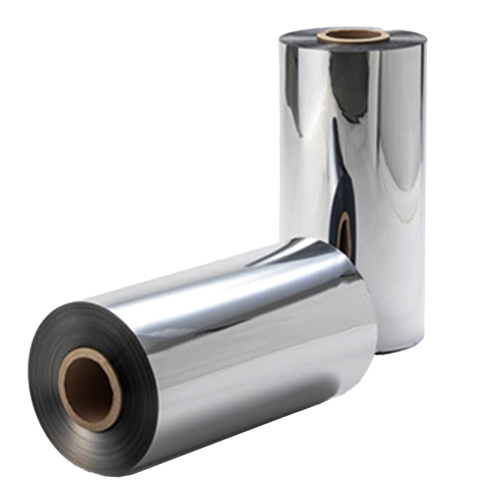
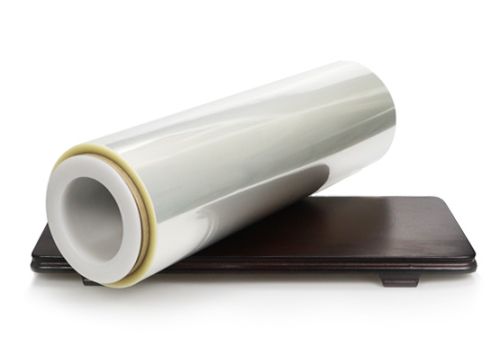
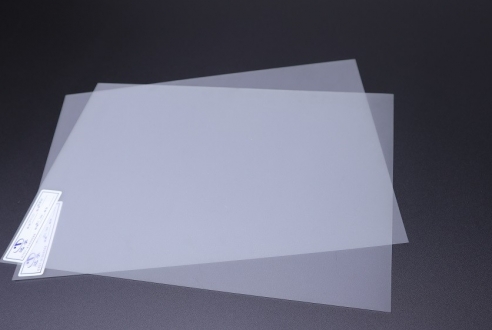
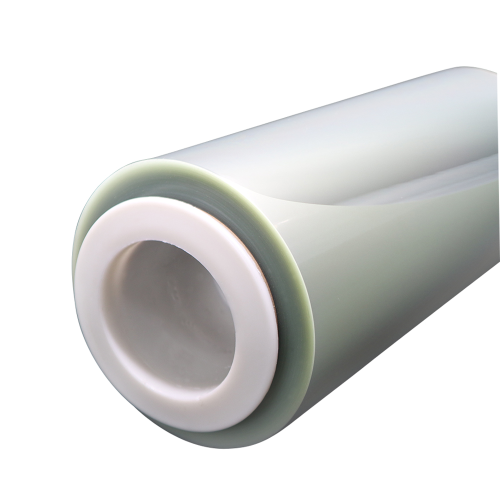
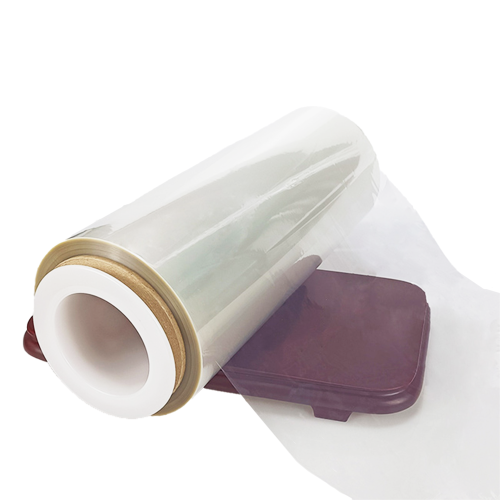
A High Barrier Film for dry rice refill bags must work with a dense, moving product and a package that is opened for controlled pouring. When a brand replaces a PET-based outer web with a PE-oriented construction, the change can affect printing, bag support and how grain contact loads the laminate. A barrier description alone does not determine whether the refill bag will fill, travel and pour as intended.
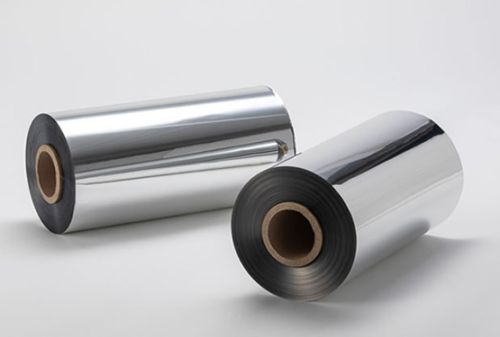
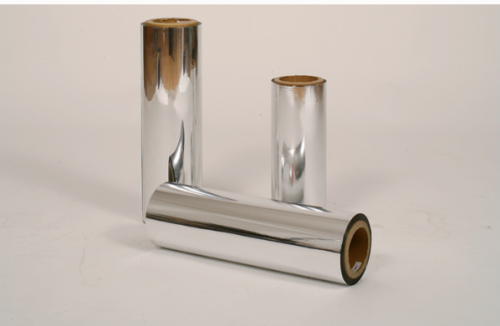
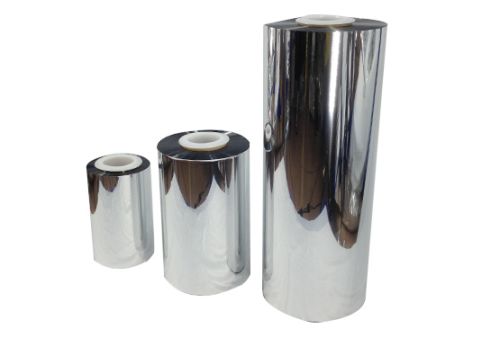
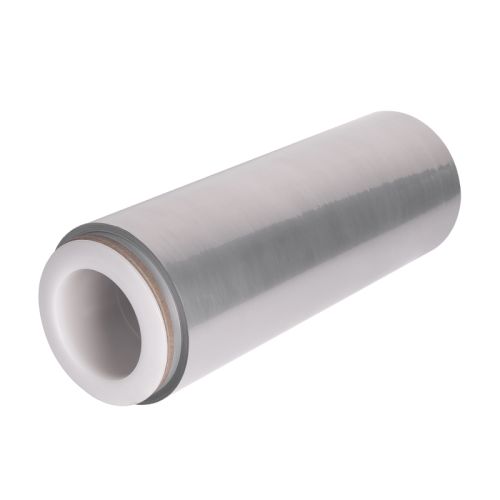
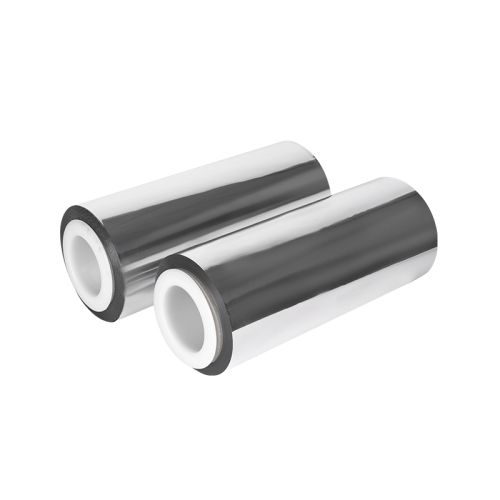
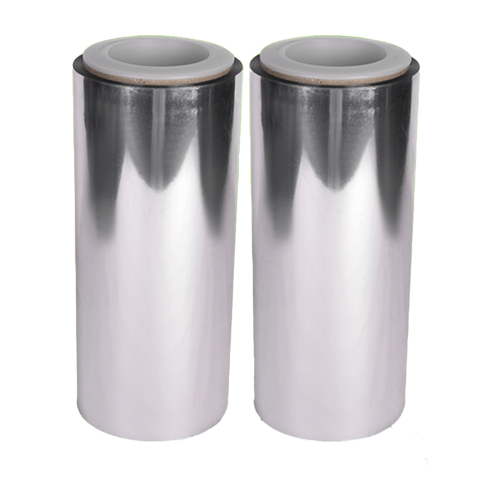
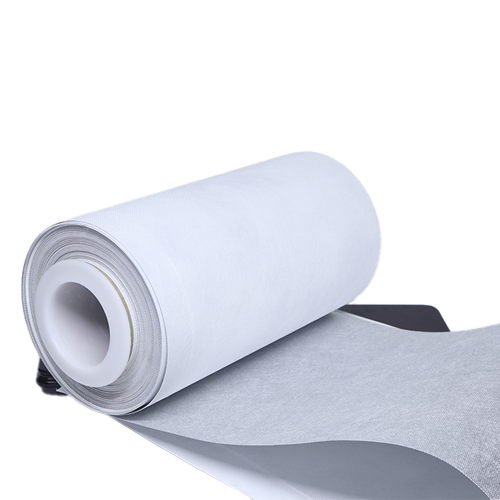
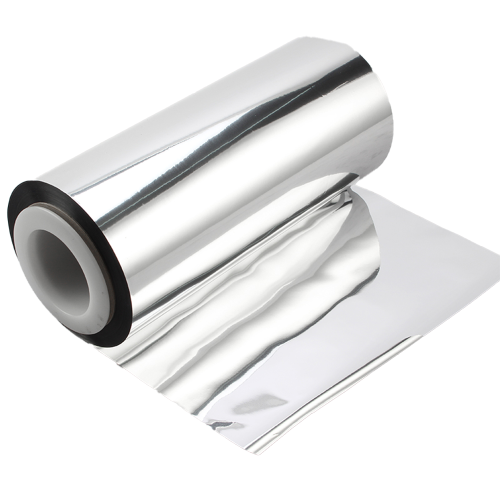
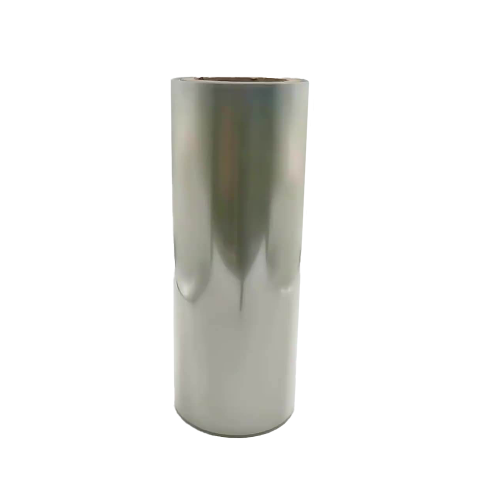
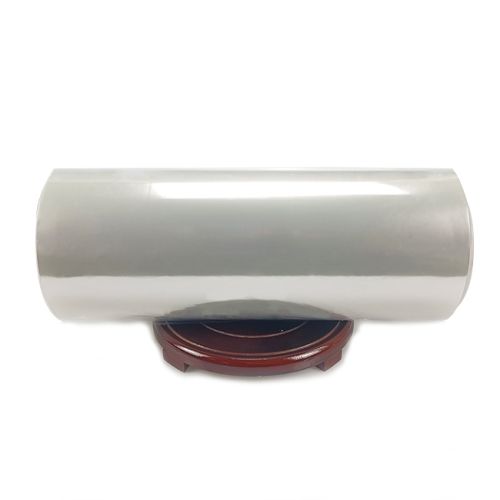
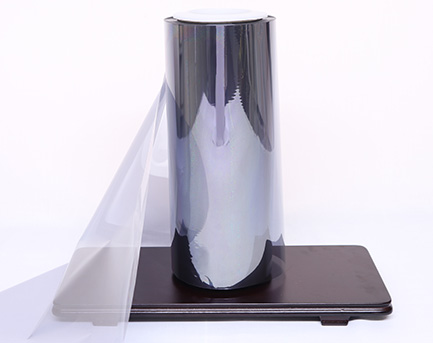
Cailong's High Barrier Film portfolio includes water-based coated MDOPE as an outer print web for dry-food pouches and bags. Its listed roles include stiffness and printability, with barrier depending on the coating chosen. This makes it a candidate for a converter-led rice refill project. The coating specification and sealant must be confirmed against the particular rice and package requirements.
Start with the rice format and storage requirement
Identify whether the bag contains ordinary white rice, aromatic rice or another rice product with its own quality criteria. Do not impose one oxygen target on every format. The customer should describe the moisture, aroma or appearance change that the current pack must prevent and the storage environment in which it is sold. This determines which barrier measurements are relevant to the redesign.
Separate the unopened retail requirement from the way the refill is used at home. A bag emptied into another container has a different opening brief from a bag used repeatedly as the storage package. If reclosure is required, include that feature and its surrounding seals in the drawing. The outer MDOPE web does not establish the performance of a zipper or another added closure.
High Barrier Film in the Rice Refill Structure
In a candidate coated MDOPE / adhesive / PE sealant structure, the MDOPE provides the print-bearing outside layer and contributes support. The functional coating supplies the selected barrier contribution, while the inner PE provides the product-facing sealing surface. Treat the structure as a proposal for evaluation. The converter must confirm the faces, individual gauges and adhesive route before it becomes a production specification.
Replacing the old PET outer web is not just a polymer-name substitution. Compare the candidate's directional response and finished-bag feel with the current package. A rice bag may need to remain manageable while partially filled and while the contents move toward the pouring opening. Material support should be judged with that movement, rather than by the stiffness of an empty flat sample alone.
Grain contact concentrates load at folds
Observe where rice presses against the filled bag: broad panels, gusset transitions, bottom corners and areas beside a handle or opening. The product redistributes as the bag is lifted or tilted, so contact during use can differ from contact on the filling line. Mark recurring damage locations and keep the fill mass and bag shape with any failed sample.
Evaluate the complete laminate for the identified contact. A strong outer web does not automatically prevent a local puncture through a thin or unsuitable inside layer. Conversely, a heavier sealant can change pouring flexibility and bag feel. Compare the proposed layer balance in made bags before increasing the entire laminate thickness as a general response to grain-related damage.
Choose how filling air leaves the bag
Dry rice filling can leave air that must be managed before the bag is closed or stacked. Discuss the actual filling and air-removal route with the converter and equipment supplier. If holes or a venting feature are proposed, their effect on package protection must be reviewed explicitly. A high-barrier panel cannot make a deliberately open route disappear from the finished-bag assessment.
Where the process removes air without perforating the package, inspect the bag under the resulting shape and restraint. Tight folds may create more demanding grain contact than a loose reference pack. Do not add a vacuum or venting requirement after approving the laminate on a different bag condition. The material trial should reproduce the package state that reaches the carton or pallet.
Pouring performance affects customer acceptance
Define the opening size, intended grip and whether the bag needs a rigid support feature or a shaped pouring corner. A wide tear opening may release rice too quickly, while an overly restricted opening can require the consumer to bend or squeeze the bag. Assess the candidate with the actual grain and a partially filled pack, where wall support and handling differ from a full pack.
Inspect the opening path and nearby laminate after use. If the tear travels away from the intended pouring area, review directional material behavior and the opening feature together. The correction might involve notch placement, pouch geometry or a different layer balance. It should not be reduced to a request for “more stiffness” without identifying the movement that causes the complaint.
Connect storage protection with the converted bag
Request coating-specific OTR and WVTR data under the customer's required conditions, identifying whether the specimen is coated MDOPE or the completed laminate. Confirm closure integrity separately on filled bags. Rice storage approval belongs to the product and made package together; an outer-web report cannot describe every seal, reclosure feature or grain-induced defect.
Use the current bag as a reference through the intended stacking and handling sequence. Record grain-contact damage, print condition, shape and the relevant product-quality observations. Keep a retained sample before that sequence so that an incoming material issue can be distinguished from conversion or distribution damage. This comparison helps determine whether the candidate meets the rice application rather than only the incoming film specification.
For a coated-MDOPE rice refill review with Cailong, provide the rice format, fill quantity, current structure and proposed bag drawing. Include the air-removal method, opening and reclosure requirements, storage route and grain-contact failure locations. Ask for the coating and outer-web options that address those conditions while the converter selects the matching PE sealant and finished-bag construction.