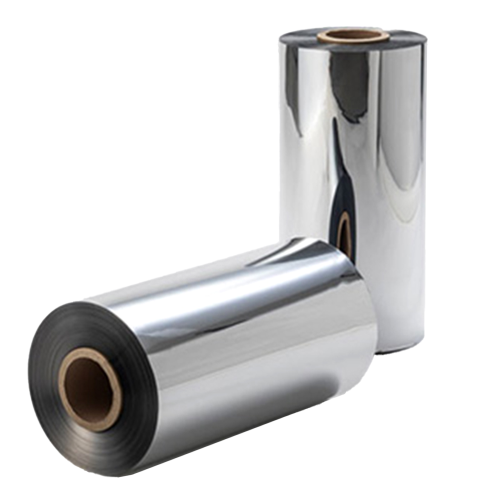
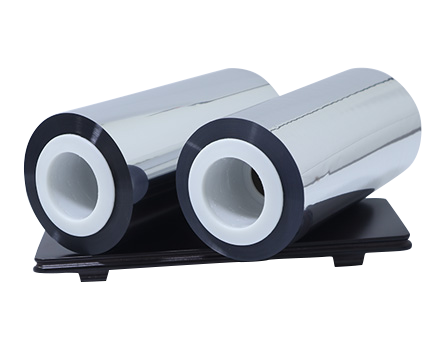
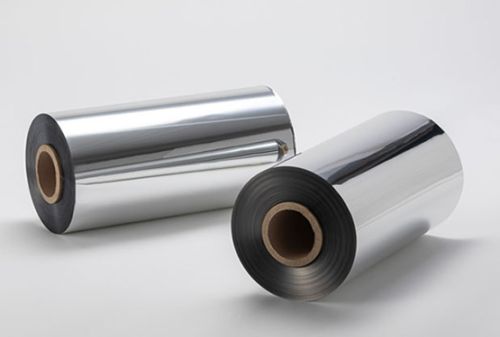
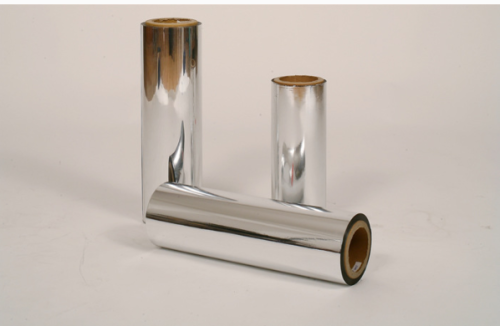
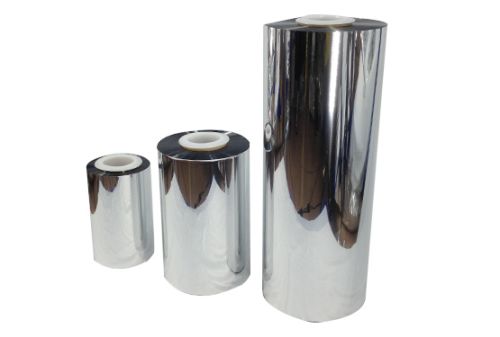
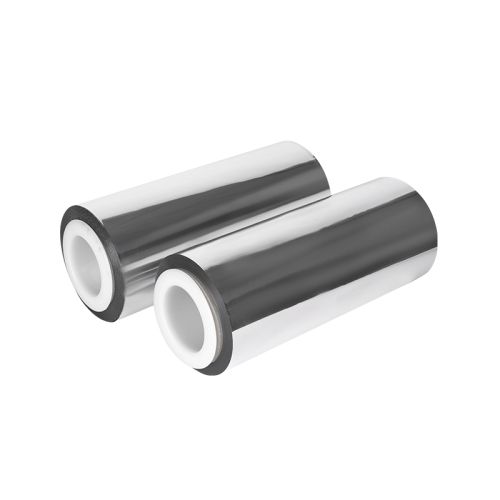
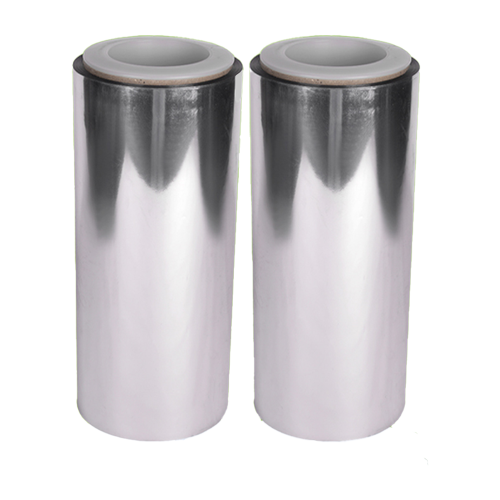
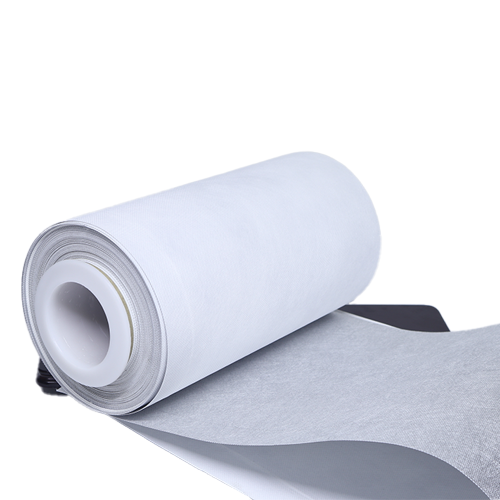
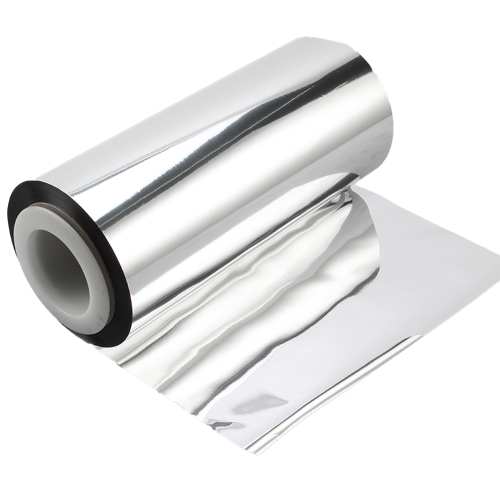
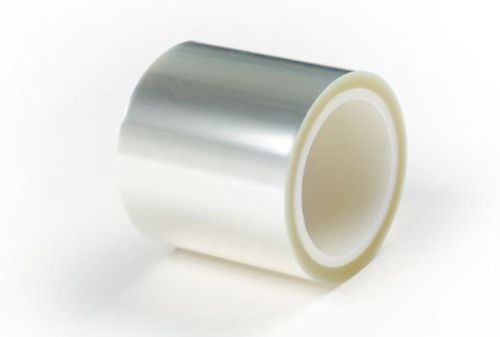
Converters often describe curl or cross-web wrinkles as a tension problem, but the web has also passed through drying heat, a nip, rewind pressure and adhesive cure. BOPET Film Heat Shrinkage in Lamination must be evaluated as the interaction between the film and the complete thermal-mechanical process. The buyer’s task is to connect material data with the failure mode that matters in commercial use.
Start with the Defect Pattern
Map whether wrinkles are machine-direction, diagonal, edge-related or repeated at a fixed cross-web position. Record when curl appears: after printing, immediately after lamination, after cure or after slitting. The timing narrows the likely source.
What BOPET Film Heat Shrinkage in Lamination Means
BOPET thermal shrinkage is measured under a stated time and temperature. A value without those conditions cannot be compared fairly. Free-film shrinkage also differs from the restrained movement that occurs in a bonded structure.
Match the Test to the Dryer History
Reproduce the real peak web temperature and residence time instead of using an arbitrary oven setting. Dryer air, line speed, web path and cooling affect the actual thermal history. Compare samples before and after conditioning.
Balance Lamination Web Tension Across Both Webs
Lamination web tension should keep the polyester and sealant stable without stretching one web excessively. Review taper tension, nip pressure and winding hardness. A correction that removes one wrinkle may create curl or telescoping later.
Check Thickness Profile and Roll Flatness
BOPET dimensional stability depends on more than average gauge. Cross-web thickness profile, edge condition, flatness and residual stress influence tracking. Sample multiple lanes and positions through the roll.
Use Printed Registration as Process Evidence
Polyester film lamination wrinkles often appear with registration drift, skew or repeat-length change. Use production print marks to distinguish web stretch from slippage, dryer movement or cylinder-related error.
Qualify Heat Resistant PET Film by Structure
A heat resistant PET film still needs validation with the selected ink, adhesive and sealant. Use the intended structure and cure schedule, then check peel, appearance, curl, dimensions and pouch making rather than approving an isolated film strip.
Procurement Questions Before a Production Trial
Specify grade, thickness and tolerance, width, treatment side, surface, shrinkage method, roll build, splice rules and change control. Use Cailong’s functional-film page to begin grade discussion, then obtain the exact technical sheet before setting limits.
Close the Loop with Retained Rolls
Retain beginning, middle and end samples from approved rolls. When drift occurs, compare the same lane and test method, and review dryer and tension records. This preserves evidence for a supplier-converter investigation.
Compare Candidate Lots Without Changing the Method
Prepare an approved control and the candidate BOPET Film under the same conditions. Use material from representative cross-web lanes and more than one roll position. Keep the other films, ink, adhesive, sealant or assembly components constant. Record start-up separately from steady production because tension, temperature and winding can change during stabilization. If a defect appears, photograph its location and retain both sides of any peeled interface. Averages alone can hide a severe local weakness, so report the range and the worst relevant position as well as the mean.
Decision criteria should follow the commercial consequence of a pet laminate develops curl, wrinkles or registration drift after drying and cure. Define which result triggers adjustment, quarantine, supplier review or rejection before the trial begins. Repeat any unexpected measurement after checking calibration, conditioning and specimen preparation. When the candidate passes, retain converted samples and the processing record. This evidence makes a later change in film lot, adhesive, machine setting or package geometry easier to isolate and prevents a successful trial from becoming an undocumented one-time result.
Questions for the Supplier and Converter
Before approval, confirm the product identity on the BOPET Film product page, then request the current grade document. Agree on sampling, conditioning, units and test methods. Review an additional technical film resource only when it directly supports the selected application. Avoid mixing results from different thicknesses or unreported conditions.
The trial report should state the customer problem—a pet laminate develops curl, wrinkles or registration drift after drying and cure. It should also explain the chosen angle: connect thermal history and machine tension to dimensional stability instead of judging nominal thickness alone. This makes the decision useful to purchasing, engineering, quality and the film supplier.
Frequently Asked Questions
Can BOPET Film be approved from a supplier datasheet alone?
No. Datasheet values help screening, but approval should use the exact grade, stated methods and the converted structure under representative service conditions.
Should buyers test BOPET Film before or after conversion?
Both are useful. Incoming tests establish a baseline; converted-part and finished-package tests reveal damage, interfaces and geometry that flat film data cannot show.
How should typical values be used in a purchase specification?
Treat them as reference information unless the supplier explicitly agrees to a guaranteed limit, test method, conditioning and sampling plan for the exact grade.
What should accompany a production trial?
Record film lot, thickness, roll position, storage, machine settings, other materials, conditioning and the exact acceptance method so results can be reproduced.
Final Selection Focus
BOPET Film Heat Shrinkage in Lamination should be approved through evidence from the real structure and process. Establish an incoming baseline, reproduce conversion and service stresses, investigate local defects, and set limits only where the method and business risk are clear. That approach turns a film comparison into a controlled material decision.