The global flexible packaging industry is undergoing a major transformation. Governments are introducing stricter recycling regulations, brand owners are committing to sustainable packaging goals, and consumers increasingly prefer environmentally friendly products. As a result, manufacturers are searching for packaging materials that deliver excellent barrier performance without compromising recyclability.
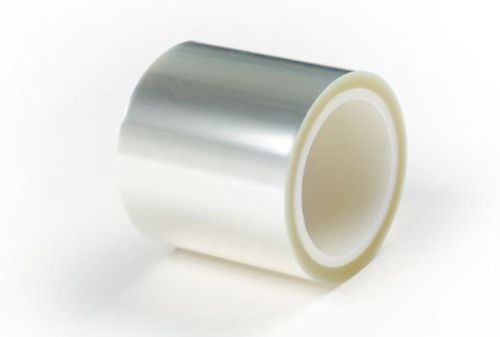
High Barrier BOPP Metallized Film has become one of the most promising solutions for this challenge. Combining superior barrier properties, lightweight construction, excellent metal adhesion, and mono-material recyclability, High Barrier BOPP Metallized Film is rapidly replacing traditional laminated structures made with PET, aluminum foil, and multi-layer composite materials.
For converters, packaging manufacturers, and global brands, choosing High Barrier BOPP Metallized Film means improving product protection while preparing for the future of sustainable packaging.
Why Traditional Flexible Packaging Faces Recycling Challenges
Traditional flexible packaging often consists of several different materials laminated together, including PET, PE, aluminum foil, nylon, and adhesives.
Although these multi-layer structures provide excellent protection, they create significant recycling challenges:
Difficult material separation
High sorting costs
Low recycling efficiency
Poor recycled material quality
Increasing compliance pressure from environmental regulations
Many countries are implementing Extended Producer Responsibility (EPR) policies and encouraging recyclable mono-material packaging. Brands that continue using conventional composite packaging may face higher recycling costs and regulatory risks.
This industry shift is accelerating the adoption of High Barrier BOPP Metallized Film.
What Is High Barrier BOPP Metallized Film?
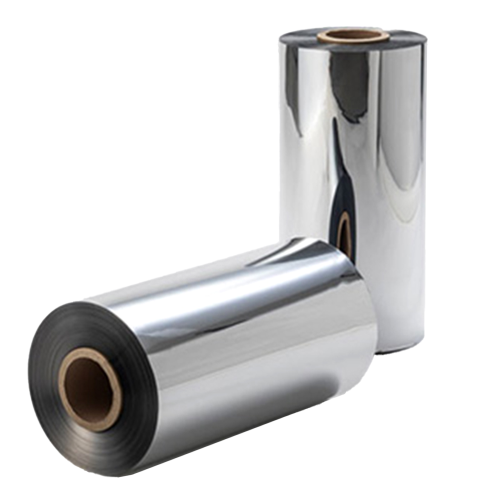
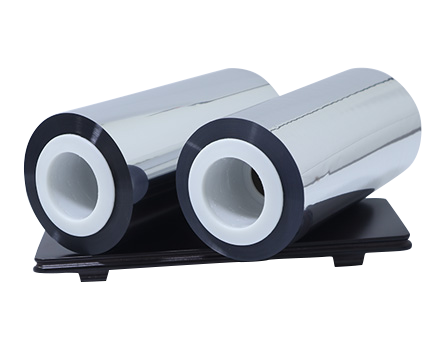
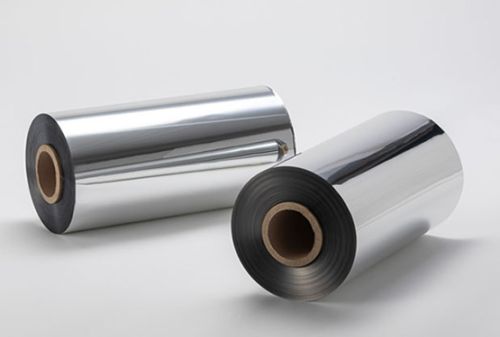
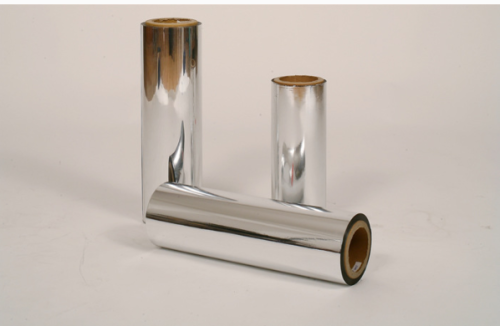
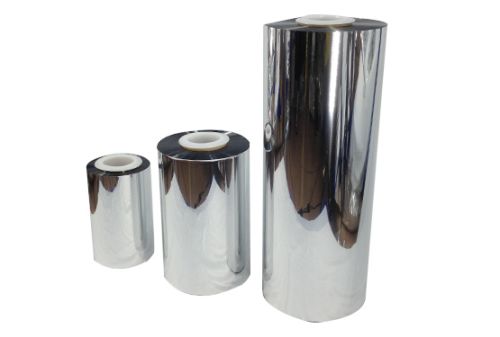
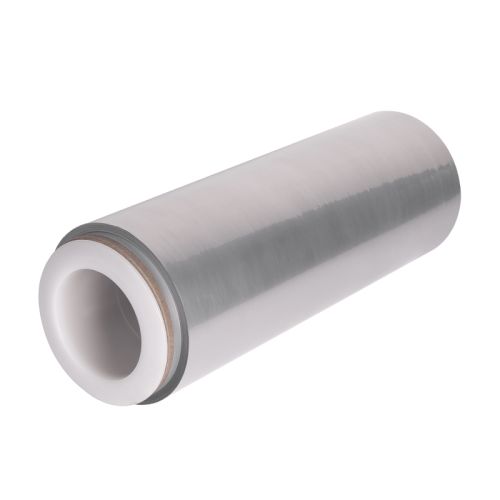
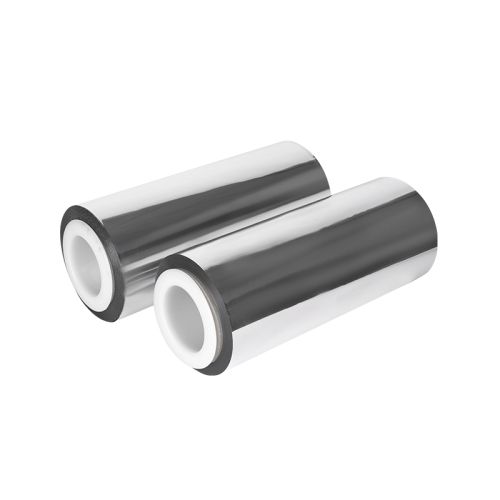
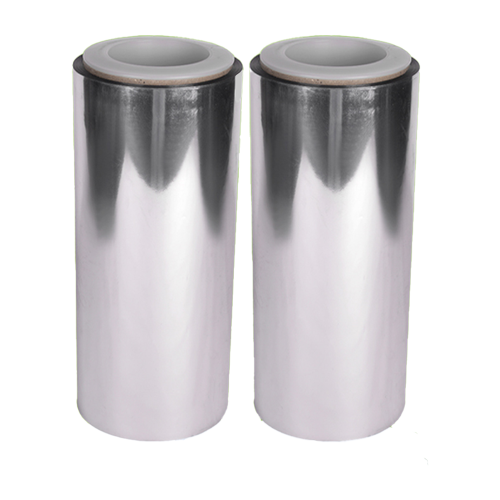
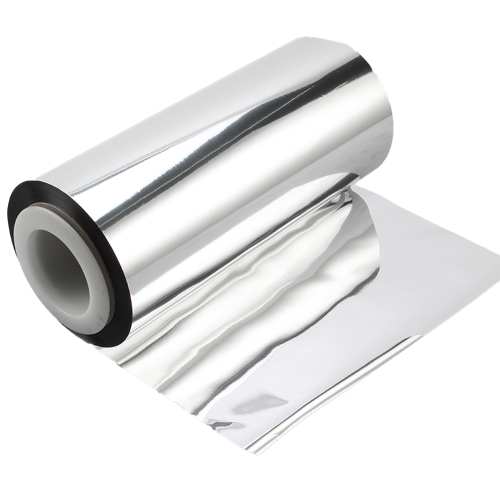
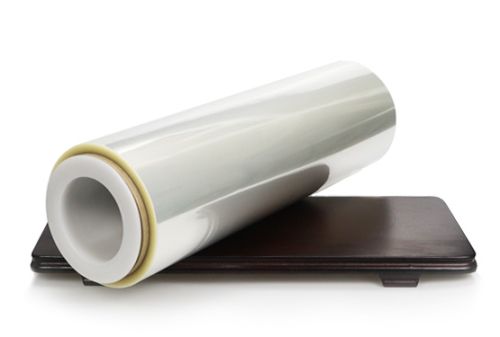
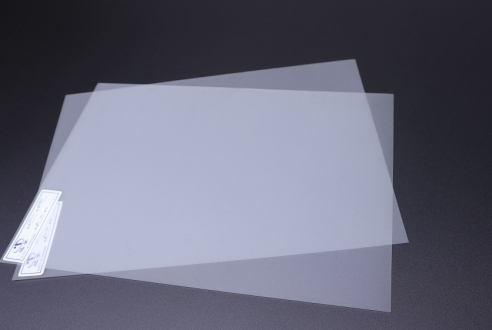
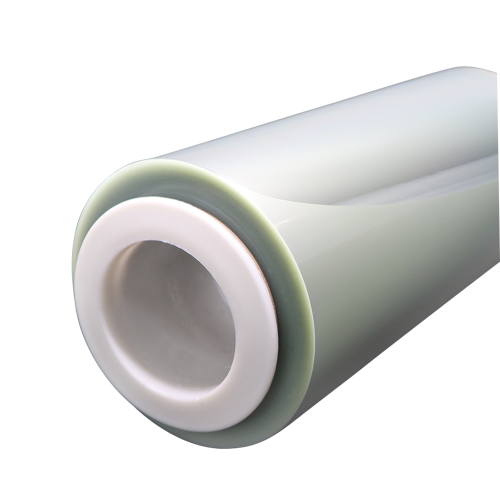
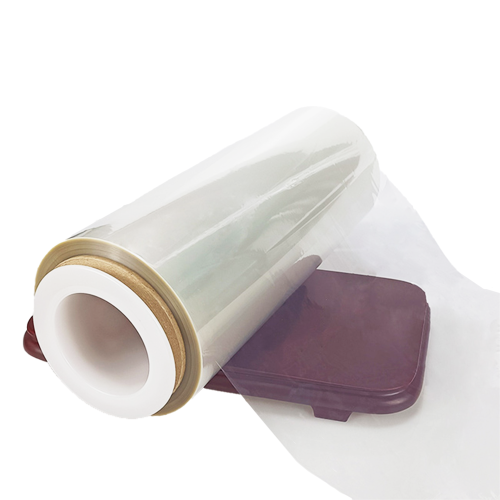
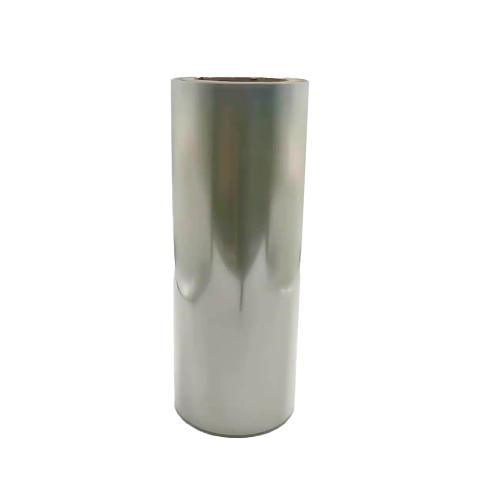
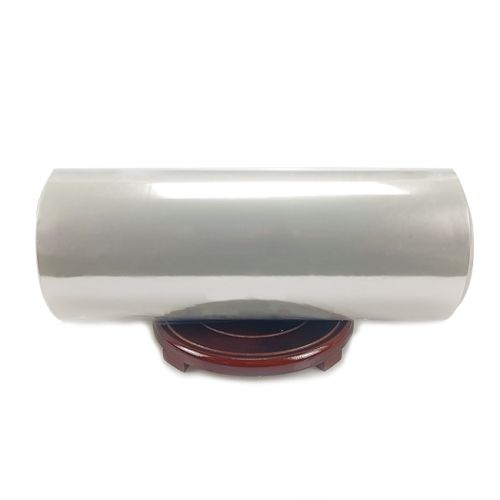
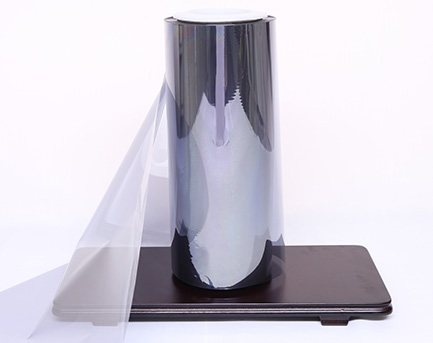
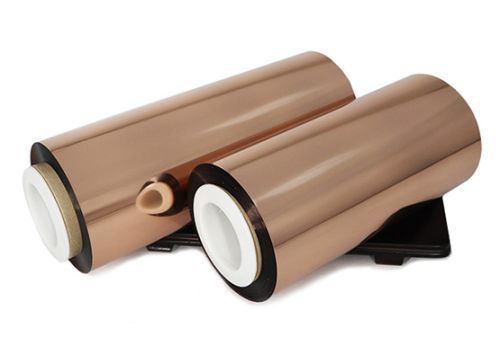
High Barrier BOPP Metallized Film is a biaxially oriented polypropylene film coated with an advanced vacuum-deposited aluminum layer.
Unlike conventional metallized films, modern High Barrier BOPP Metallized Film utilizes optimized metallization technology to achieve:
Exceptional oxygen barrier
Excellent moisture barrier
High aluminum adhesion
Superior gloss and metallic appearance
Outstanding processing performance
Excellent recyclability
Because the substrate is BOPP, it is perfectly suited for mono-material polypropylene packaging structures that simplify recycling.
Outstanding Barrier Performance Protects Product Quality
Barrier performance is the most important indicator for food packaging.
Exposure to oxygen and moisture causes:
Food oxidation
Flavor loss
Reduced crispness
Nutrient degradation
Shorter shelf life
High Barrier BOPP Metallized Film provides excellent protection through ultra-low permeability values.
Oxygen Barrier
Oxygen Transmission Rate (OTR):
Only 0.12 cc/m²·24h
This extremely low oxygen permeability effectively protects oxygen-sensitive products such as:
Coffee
Tea
Nuts
Biscuits
Snacks
Dried fruits
Pet food
By minimizing oxygen penetration, High Barrier BOPP Metallized Film helps preserve freshness, aroma, texture, and nutritional value.
Moisture Barrier
Water Vapor Transmission Rate (WVTR):
Only 0.18 g/m²·24h
Moisture is another major cause of product deterioration.
Low WVTR allows High Barrier BOPP Metallized Film to maintain product crispness while preventing moisture absorption during storage and transportation.
For moisture-sensitive products, this means:
Longer shelf life
Better consumer experience
Reduced product waste
Improved logistics reliability
Superior Aluminum Adhesion Improves Production Stability
One common problem with conventional metallized films is aluminum layer peeling during lamination, printing, pouch making, or transportation.
Poor metal adhesion can cause:
Delamination
Wrinkling
Packaging defects
Production downtime
Customer complaints
High Barrier BOPP Metallized Film offers aluminum adhesion up to:
3.5 N/15 mm
This high adhesion provides excellent metallized layer stability throughout the converting process.
Benefits include:
Stable lamination
Reliable printing performance
Reduced material waste
Higher production efficiency
Improved finished package quality
For high-speed packaging lines, excellent aluminum adhesion is critical for maintaining consistent production quality.
Excellent Replacement for VMPET and Aluminum Foil
Many packaging manufacturers are replacing traditional materials with High Barrier BOPP Metallized Film.
Compared with VMPET:
Better recyclability
Lower package weight
Simplified material structure
Supports mono-material PP packaging
Compared with aluminum foil:
Lower material cost
Greater flexibility
Better processing efficiency
Reduced risk of cracking
Lightweight construction
These advantages make High Barrier BOPP Metallized Film an attractive alternative for sustainable flexible packaging.
Supports Mono-Material Recyclable Packaging
One of the biggest advantages of High Barrier BOPP Metallized Film is compatibility with polypropylene recycling systems.
Instead of combining multiple incompatible materials, converters can design PP-based mono-material packaging that:
Simplifies recycling
Improves recycled resin quality
Reduces sorting costs
Supports circular economy initiatives
Helps brands meet sustainability targets
As governments tighten recycling regulations worldwide, mono-material packaging is becoming the preferred solution for many consumer brands.
Ideal Applications of High Barrier BOPP Metallized Film
Thanks to its combination of barrier performance, attractive appearance, and excellent machinability, High Barrier BOPP Metallized Film is widely used in various industries.
Typical applications include:
Food Packaging
Potato chips
Popcorn
Biscuits
Crackers
Nuts
Dried fruits
Coffee
Tea
Chocolate
Candy
Instant foods
Daily Chemical Packaging
Laundry detergent
Wet wipes
Soap refills
Personal care products
Consumer Goods
Household products
Stationery
Small accessories
Promotional packaging
The excellent metallic appearance also enhances shelf appeal while maintaining product protection.
Lightweight Packaging Reduces Environmental Impact
Reducing packaging weight has become a key sustainability strategy.
Compared with aluminum foil structures, High Barrier BOPP Metallized Film offers:
Lower material consumption
Reduced transportation emissions
Lower logistics costs
Improved production efficiency
Smaller carbon footprint
This makes it an ideal solution for companies pursuing ESG objectives and carbon reduction initiatives.
Why Packaging Manufacturers Choose High Barrier BOPP Metallized Film
More converters are switching to High Barrier BOPP Metallized Film because it delivers multiple business benefits simultaneously.
Key advantages include:
Ultra-low OTR of 0.12 cc/m²·24h
Ultra-low WVTR of 0.18 g/m²·24h
Aluminum adhesion up to 3.5 N/15 mm
Excellent gloss and metallic finish
Stable high-speed converting performance
Outstanding freshness preservation
Lightweight structure
Recyclable mono-material packaging compatibility
Alternative to VMPET and aluminum foil
Supports sustainable packaging strategies
These advantages help reduce production costs while improving packaging performance and environmental responsibility.
Conclusion
As sustainability becomes the defining trend in global packaging, High Barrier BOPP Metallized Film is emerging as the preferred material for recyclable high-performance flexible packaging.
Its exceptional oxygen and moisture barrier, strong aluminum adhesion, lightweight structure, and compatibility with mono-material recycling systems make High Barrier BOPP Metallized Film a practical solution for today's packaging challenges and tomorrow's environmental requirements.
Whether replacing VMPET, reducing reliance on aluminum foil, or designing recyclable flexible packaging, High Barrier BOPP Metallized Film delivers the performance, efficiency, and sustainability demanded by modern brands and packaging manufacturers.
Companies looking to improve product protection, extend shelf life, reduce environmental impact, and comply with future recycling regulations will find High Barrier BOPP Metallized Film to be a reliable and future-ready packaging material.