
Release date:2026.07.03
While traditional aluminum foil paper and metallic cardboard have been flagged by regulators for high aluminum consumption, poor recyclability, and non-degradability, vacuum metallized paper has quietly captured a significant share of premium packaging in tobacco, food, pharmaceuticals, and cosmetics.
Vacuum metallized paper is produced through a vacuum evaporation process (under high vacuum above 1.33×10² Pa, using resistance, induction, or electron beam heating to vaporize aluminum wire at around 1400°C, which then deposits onto the paper substrate) to create an ultra-thin aluminum layer of only 0.03–0.04 mm. This gives it a critical advantage: aluminum foil paper consumes more than 200 times the amount of aluminum per unit area, and its thick aluminum layer makes recycling difficult. In contrast, vacuum metallized paper is nearly fully biodegradable and far more environmentally friendly. Driven by carbon neutrality goals, plastic bans, and green packaging policies, this niche segment has accelerated significantly since 2024.
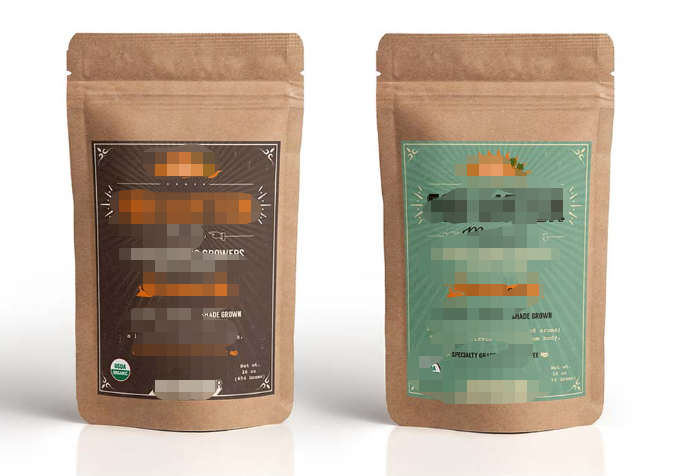
Two main product categories exist:
Two primary manufacturing routes:
| Process | Method | Characteristics |
|---|---|---|
| Direct method (paper-based coating) | Paper surface is pre-coated before entering the vacuum metallizer | Requires high-quality paper; suitable for 40–120 g/m² coated paper, whiteboard, and cardboard |
| Transfer method (film-based coating) | PET/BOPP film is used as carrier, followed by coating, coloring, aluminum deposition, lamination, and peeling; the aluminum layer transfers to the paper | Produces a smoother, more reflective aluminum film with superior gloss; better suited for high-end printing |
Holographic anti-counterfeiting grades command higher margins—luxury goods, cigarette labels, and liquor labels demand dynamic visual effects plus security features, making vacuum metallized paper a natural fit.
A classic three-tier structure:
According to available data from the referenced report:
Another extended projection suggests China's market could surpass 420 billion RMB by 2030, with a CAGR of about 5.8% from 2025 to 2030—a respectable pace for a mature material, driven mainly by substitution and new applications.
Competitive landscape: "one superpower, multiple strong players"
The report points to three major trajectories:
Vacuum metallized paper is not a disruptive innovation—it is a structural opportunity created by the convergence of three slow-moving forces: environmental compliance, cost substitution, and functional upgrading. Whether the trajectory from 320 → 350 → 420 billion RMB materializes depends on how stable the tobacco base remains and whether new scenarios like new energy vehicles and smart home can achieve meaningful scale before 2027.
Copyright © 2025 Guangdong Cailong New Material Co., Ltd
粤ICP备2024240626号-1 Site Map