
Release date:2026.06.30
There's an old saying in flexible packaging: "High barrier, high transparency, microwaveable/metal-detectable" is an impossible triangle. Aluminum foil blocks everything but is opaque and not microwave-safe. PVDC performs well but faces EU recycling headwinds. K‑coated films are cheap but only offer medium-high barrier. Two routes have pushed the triangle to its limits: ALOx PET (aluminum oxide coating, physical ceramic approach) and EVOH multilayer coextrusion (ethylene-vinyl alcohol copolymer, chemical polarity approach).
When industry peers debate material selection, memorizing datasheets isn't enough. You need to understand three things: who fears moisture, who hates flexing, and who benefits from recyclability.
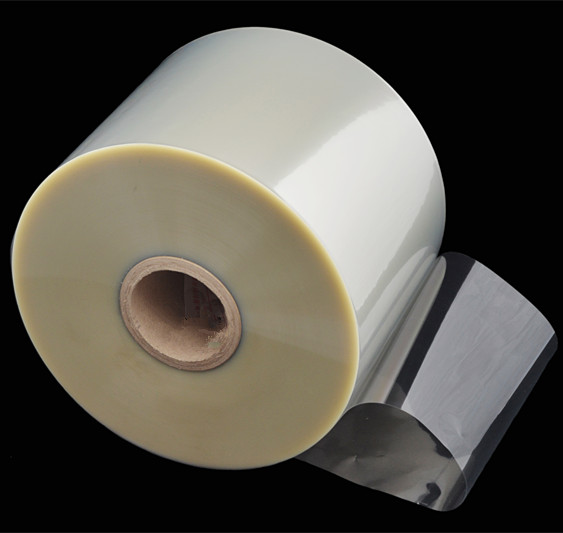
EVOH relies on densely packed molecular chains to block oxygen. Its highly crystalline, polar structure has low affinity for non‑polar O₂. In dry conditions, it's the best oxygen barrier available. But the Achilles' heel: water sensitivity. Once EVOH absorbs moisture, its hydroxyl groups loosen, and OTR can jump by an order of magnitude. That's why EVOH must be "sandwiched" — typically in a 5‑layer or 7‑layer coextrusion: PE/Tie/EVOH/Tie/PE, with outer PE layers blocking water vapor.
ALOx PET works differently: a 30–50 nm dense ceramic layer (Al₂O₃) is vacuum-deposited onto PET film. This inorganic coating physically seals gas pathways. It blocks both oxygen and moisture simultaneously, with minimal humidity dependence — something EVOH can never match.
In one sentence: EVOH is the king of dry‑state oxygen barrier but needs moisture protection; ALOx offers dual barrier regardless of environment, but the coating is vulnerable to excessive bending.
| Parameter | ALOx PET (Coated Grade) | EVOH (Multilayer Coex, Dry State) | Notes |
|---|---|---|---|
| OTR (cc/m²·day·atm, 23°C) | 0.1–1.0 (premium grades reach 0.07) | 0.1–2.0 (dry); rises sharply at high RH | ALOx stays stable under high humidity |
| WVTR (g/m²·day, 38°C/90%RH) | 0.1–1.5 | 20–50 (poor alone; relies on outer PE) | EVOH's WVTR alone is meaningless |
| Transparency | ≥87%, see‑through | Transparent (coex structure itself clear) | Both allow product visibility |
| Microwaveable | Ceramic layer non‑conductive, safe | Depends on structure; pure EVOH coex can work | Check sealing layer design |
| Metal Detector Friendly | Al₂O₃ has no free metal, won't trigger | Pure polymer, no issue | Both pass automated lines |
| Flex/Fold Resistance | Coating may micro‑crack if elongation >2% or sharp crease | Excellent overall integrity, better puncture resistance | EVOH wins for vacuum meat packs |
| Recyclability | PET base, compatible with mono‑PET stream | Multilayer dissimilar materials (PE+Tie+EVOH) hard to separate | ALOx enjoys policy tailwind |
| Cost Index (BOPP = 1 reference) | 2.5–3.5 | 2.0–3.0 | Similar; EVOH slightly lower but more complex structure |
One table tells the story: ALOx wins on dual barrier + humidity stability + recyclability; EVOH wins on flex/puncture resistance + mature coex process + extreme dry‑state O₂ barrier.
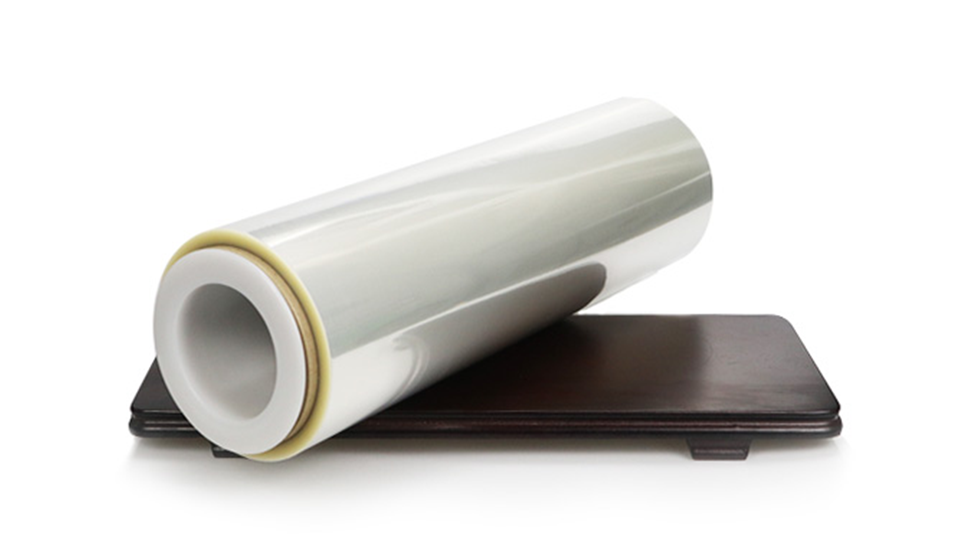
Ask yourself these four questions — the answer will be clear:
One often‑overlooked point: For boil‑in‑bag or retort applications, choose protective‑coated ALOx grades (e.g., ALOx‑P121 series). Printing grades (P122 series) are generally not retort‑stable — selecting the wrong grade can cause field failures.
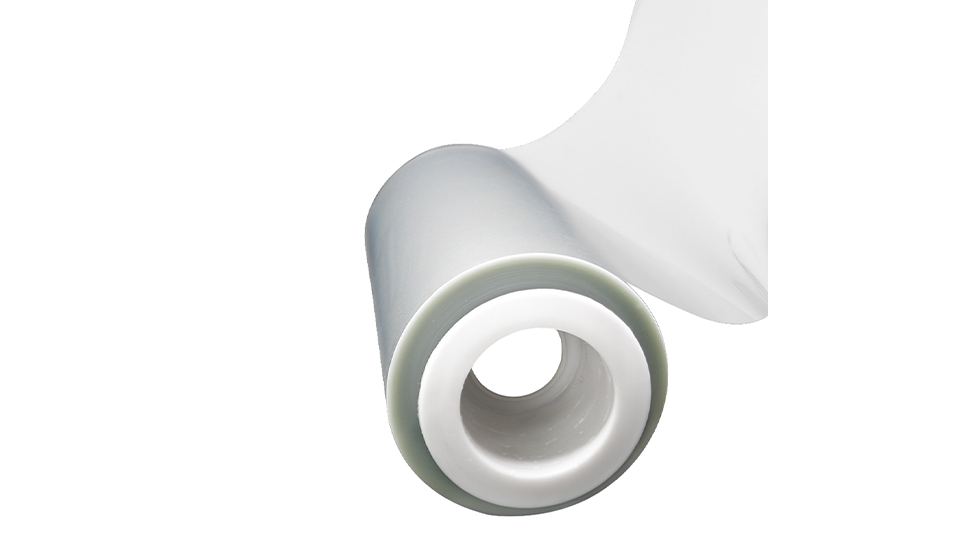
The industry has debated whether ALOx will eat EVOH's lunch for nearly a decade. The conclusion: each guards its own fortress.
The real wildcards are cost reduction of high‑barrier SiOx and thinner‑layer EVOH coex technology — they could redraw the middle ground. That's a topic for another day.
If you're stuck choosing between PET/ALOx/CPP and PA/Tie/EVOH/Tie/PE for a specific pet food or snack, drop me three parameters: product type, required shelf life, and whether retort is needed — I can give you a direct recommendation.
Want me to follow up with a piece on SiOx vs. ALOx: where's the cost‑performance tipping point? Several Chinese manufacturers (Meifeng, Hanyang, Zhejiang Zhongcheng) are driving fierce competition in this space this year.
Image Suggestions (for publication)
Copyright © 2025 Guangdong Cailong New Material Co., Ltd
粤ICP备2024240626号-1 Site Map